

 Desk
Desk Share
Share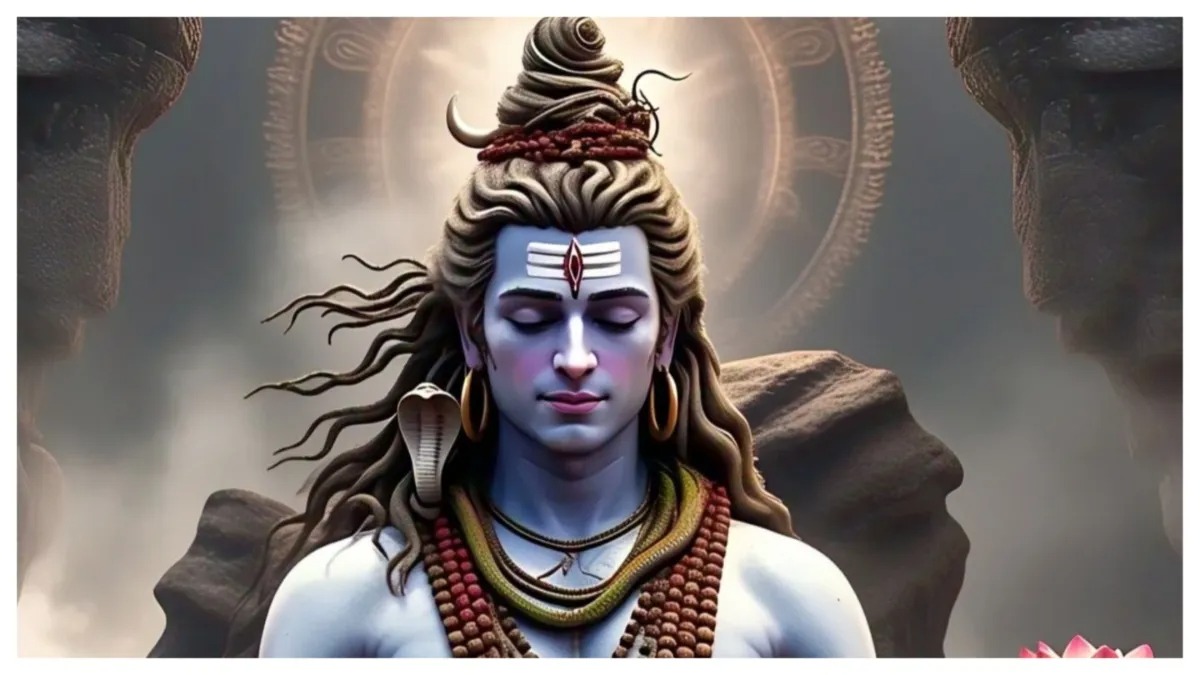
Mahashivratri, one of the most revered festivals dedicated to Lord Shiva, will be celebrated on February 26, 2025. This auspicious occasion holds immense spiritual significance for devotees, as it is believed to be the night when Shiva bestows his divine blessings upon his followers.
There are several reasons why Mahashivratri is considered sacred. According to Hindu mythology, this day marks the celestial wedding of Lord Shiva and Goddess Parvati. Additionally, two other major events are associated with this festival, further elevating its importance. One of them is the origin of the Shivling, making its worship a crucial part of Mahashivratri celebrations.
Let’s delve deeper into the historical and religious significance of Mahashivratri and its connection with Shivling Puja.
The Connection Between Shivling Puja and Mahashivratri
According to ancient scriptures, the Shivling first appeared on the Chaturdashi Tithi of Krishna Paksha in the month of Falgun. On this day, Lord Vishnu and Lord Brahma were the first to offer prayers to the divine Shivling, acknowledging its supreme power.
Even today, devotees follow this tradition by performing Shivling Puja with great devotion. Ritualistic worship and Rudrabhishek (sacred bath with milk, honey, water, and other offerings) are conducted in Shiva temples across the country, seeking his divine blessings for health, prosperity, and spiritual growth.
Why Mahashivratri is Celebrated?
Apart from being the wedding anniversary of Lord Shiva and Goddess Parvati, Mahashivratri is also linked to another significant event—Shiva consuming poison during the Samudra Manthan (churning of the ocean).
The Legend of Neelkanth: Shiva’s Act of Universal Protection
Hindu scriptures describe how, during the cosmic event of Samudra Manthan, both deities and demons churned the ocean to obtain the nectar of immortality (Amrit). However, before the nectar emerged, a deadly poison (Halahala) surfaced, threatening to destroy the universe.
To save creation, Lord Shiva selflessly consumed the poison and held it in his throat. This act turned his throat blue, earning him the name "Neelkanth" (the blue-throated one). To counteract the effects of the poison, the gods and demons offered water, cannabis, dhatura, and belpatra to Shiva—practices that continue today in Mahashivratri rituals.
Thus, Mahashivratri is a day when devotees express gratitude to Bholenath for his protection and seek his divine grace.
Shiva and Parvati’s Celestial Wedding
One of the most widely known reasons for celebrating Mahashivratri is the divine union of Lord Shiva and Goddess Parvati. It is believed that on this very day, Shiva accepted Parvati as his consort, symbolizing the perfect balance of Shiva-Shakti (divine masculine and feminine energies).
For devotees, Mahashivratri is not just a night of worship but a powerful occasion for spiritual awakening, self-discipline, and devotion to Lord Shiva. Observing fasts, chanting "Om Namah Shivaya," and engaging in meditation are considered highly rewarding practices on this day.
_1412932328_100x75.jpg)