Priyanka Tiwari
 Share
Share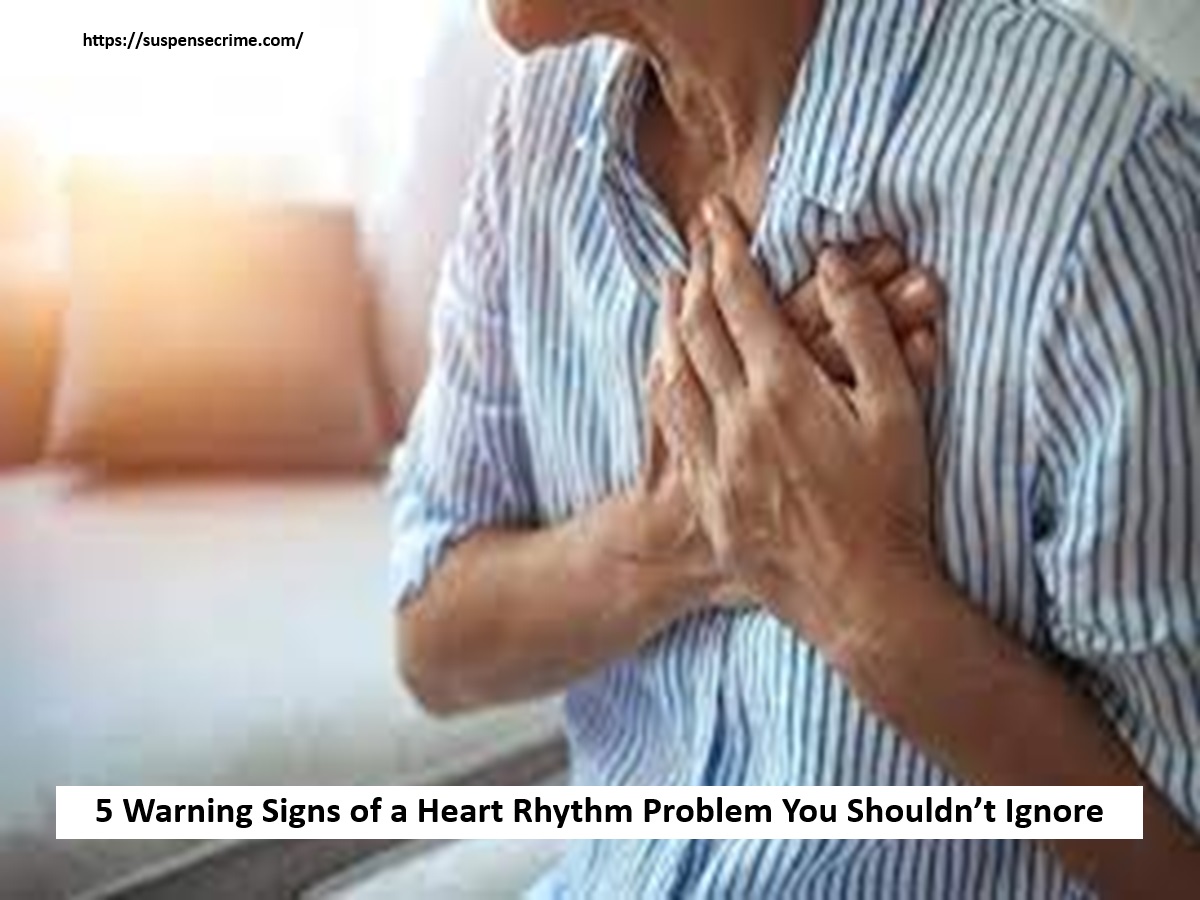
Suspense crime, Digital Desk : Have you ever experienced a moment where your heart seems to skip a beat, race uncontrollably, or even flutter? These symptoms could signal that you have some heart rhythm issues which are commonly known as arrhythmia. Not all types of arrhythmias require immediate concern, but in any case, if the symptoms are frequent and severe, it is best to pay attention to them. If it occurs frequently, professional help would be advisable.
What is a Heart Rhythm Disorder?
As stated by the NHS, arrhythmia is when an individual’s heartbeat is too fast, too slow, or irregular. These arrhythmia issues stem from a number of dysfunctional factors. One of the many reasons is problems occur in the electrical system of the heart that dictates its actions, in layman's terms its beating.
Why You Should be Concerned
For a lot of people, these symptoms subsiding within a minute, contains very little underlying concern. However, if treatment isn't sought out in time, certain arrhythmias can raise the risk of stroke, heart disease and heart failure amongst other conditions.
Risk Factors for Arrhythmia
As the most common type of arrhythmia, atrial fibrillation (AFib) comes with its own set of risk factors that the CDC monitors. Studies show that AFib is associated with the following:
Increasing age
Hypertension
Obesity and diabetes
Heart and congestive heart failure
Hyperthyroidism
Chronic kidney disease
Smoking and heavy alcohol consumption
Cardiomyopathy
5 Signs You May Have a Heart Rhythm Problem
1. Fluttering or Pounding Heartbeat
Even during rest, you may sense skipping, flipping, or racing feelings in your heart.
2. Dizziness or Fainting Spells
Reduction of blood flow due to irregular heartbeats may cause you to feel faint or lightheaded.
3. Shortness of Breath
Even the slightest dose of physical, or complete rest, may trigger breathlessness.
4. Constant Fatigue
May indicate inefficient heart pumping.
5. Chest Pain or Discomfort
A feeling of tightness or pain in the chest region is a red flag and must be seen by a doctor.
Read More: Master the Green Chutney: 5 Secret Restaurant-Style Variations to Elevate Your Meals
_1359883337_100x75.jpg)
_1550774716_100x75.jpg)
_518702411_100x75.jpg)