

 Priyanka Tiwari
 Share
Share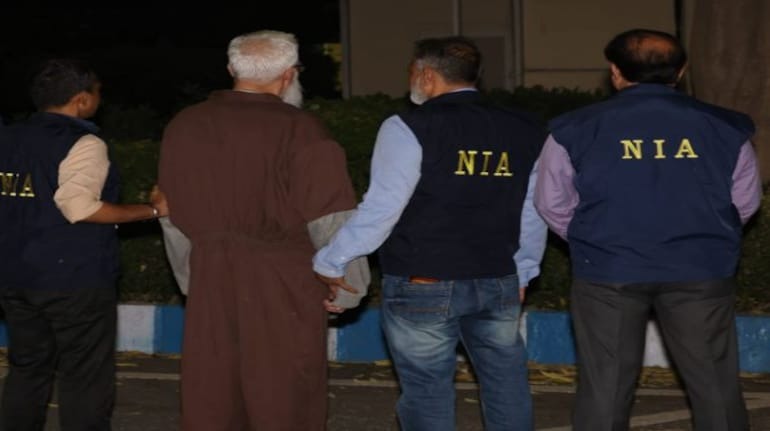
In a major diplomatic and legal development, the United States has extradited Tahawwur Hussain Rana, accused of helping orchestrate the 2008 Mumbai terrorist attacks, to India. This marks a critical milestone in Indo-U.S. counterterrorism cooperation and the long-standing quest for justice by victims and their families.
U.S. Extradites Tahawwur Rana to India
On April 9, 2025, U.S. authorities handed over Tahawwur Rana to Indian law enforcement officials. Rana, a Pakistani-Canadian national, is facing 10 criminal charges in India, including conspiracy to wage war against the state, murder, forgery, and violations under the Unlawful Activities (Prevention) Act.
The transfer was facilitated by a multi-agency Indian team, which traveled to the U.S. to complete legal formalities and bring Rana to Delhi.
U.S. Government’s Strong Endorsement
U.S. State Department Spokesperson Tammy Bruce confirmed the extradition and highlighted the significance of holding Rana accountable for his role in the horrific 26/11 attacks, which killed 166 people, including six Americans.
#WATCH | US State Department spokesperson Tammy Bruce says, "On April 9th, the United States extradited Tahawwur Hussain Rana to India to face justice for his role in planning the horrific 2008 Mumbai terrorist attacks. These attacks resulted in the tragic loss of 166 lives,… pic.twitter.com/wtTnI1LrTN
— ANI (@ANI) April 10, 2025
“We are very proud that he is now in India's custody,” Bruce stated. She urged the public to revisit the magnitude of the Mumbai attacks, emphasizing their brutality and impact.
Justice Department Statement
A spokesperson from the U.S. Department of Justice echoed similar sentiments, calling Rana’s extradition a “critical step” toward justice. The DOJ emphasized the need for accountability, especially for the six American victims of the attack, and reaffirmed continued support for India’s legal efforts.
India’s Response and Next Steps
India's National Investigation Agency (NIA), which is leading the prosecution, has welcomed Rana’s extradition. The agency is expected to begin formal legal proceedings soon.
This development is expected to bolster Indo-U.S. collaboration on anti-terrorism, a shared priority under the Trump administration, which has reiterated its support for India’s security initiatives.


_132300150_100x75.jpg)
_430488585_100x75.jpg)
_1333714631_100x75.jpg)
_58079313_100x75.jpg)