
 Ziya
Ziya Share
Share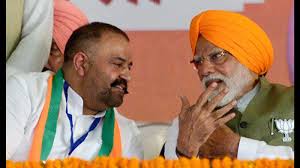
Launching a scathing ideological critique of India’s post-independence political landscape, Prime Minister Narendra Modi stated that for decades, the country's "corridors of power" were occupied by a select group of self-serving individuals. Speaking at a high-profile event, the Prime Minister emphasized that this monopoly hindered the progress of the common citizen and stalled India’s global ascent.
The Critique of ‘Elite Control’ PM Modi remarked that following 1947, instead of empowering the grassroots, certain political circles prioritized their own interests and legacies. He argued that these "gatekeepers of power" created a system where opportunities were reserved for a few, leaving the aspirations of millions of ordinary Indians neglected.
A Shift to ‘People-Centric’ Governance Contrasting the past with the current administration’s approach, the Prime Minister highlighted the shift toward "Sabka Saath, Sabka Vikas" (Development for All). He asserted that his government has successfully dismantled these old power structures, opening the doors of governance to those from humble backgrounds.
[Image representing the transition from dynastic politics to grassroots empowerment in India]
Empowering the Youth and Farmers Addressing the specific context of Punjab and the nation's youth, PM Modi noted that the "New India" relies on merit rather than connections. He cited digital transparency, direct benefit transfers (DBT), and the startup ecosystem as tools that have bypassed middlemen and "power brokers" who previously controlled the flow of resources.
The Road to 2047 The Prime Minister’s address served as a clarion call for Viksit Bharat (Developed India). He urged the citizens to stay vigilant against forces that seek to bring back "the era of entitlement." By focusing on self-reliance and national pride, the PM stated that India is finally shedding the colonial and dynastic mindsets that slowed its growth for over seven decades.