

 Ziya
Ziya Share
Share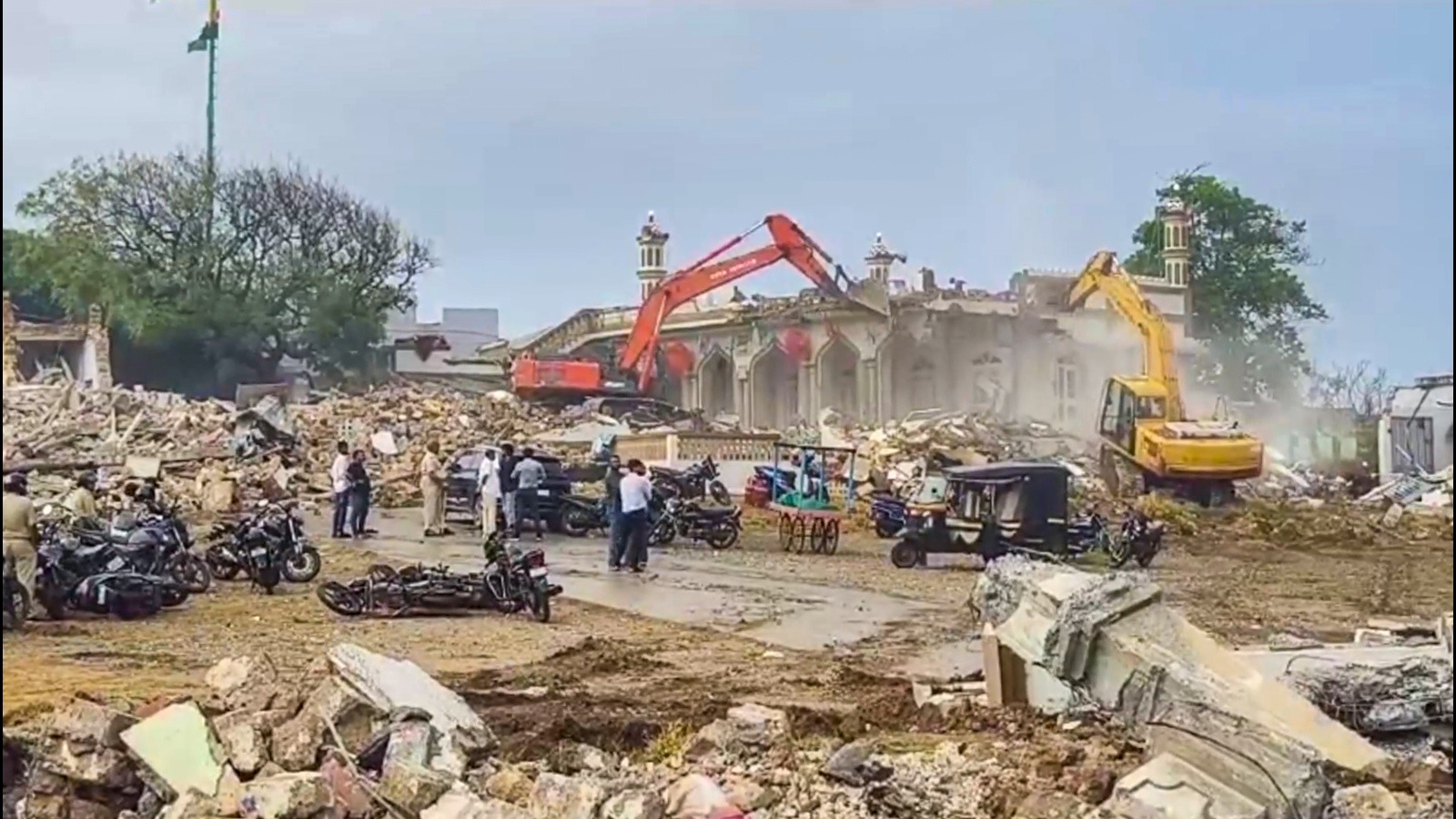
It’s not every day that a city witnesses action on this scale. In Rajkot, Gujarat, the morning air was filled with more than just the usual bustle it was filled with the roar of heavy machinery. In what is being described as one of the most significant anti-encroachment drives in recent history, local authorities launched a massive "bulldozer action" targeting 1,489 illegal structures.
The Scale of the Operation We aren't just talking about a few shops on a sidewalk. The Rajkot Municipal Corporation (RMC), backed by a heavy police presence, moved in to reclaim government land that had been occupied by unauthorized housing for years. The sheer logistics required for this dozens of bulldozers, hundreds of officers, and a meticulously planned map shows just how serious the administration is about clearing these areas.
Why Now? For the residents of these 1,489 houses, the day was nothing short of a nightmare. Many had called these structures "home" for a long time, despite the lack of legal paperwork. However, from the government’s perspective, this was a necessary step to reclaim prime land meant for public infrastructure and urban development. Illegal colonies often lack proper drainage, legal electricity, and safety standards, posing a risk to the city's planned growth.
The Atmosphere on the Ground As you can imagine, the scene was tense. While some residents scrambled to salvage what little they could from their homes briefcases, fans, kitchen utensils others stood by in silent shock. There were pockets of protest, but the heavy security cordons ensured that the demolition proceeded without major violent outbreaks.
The Bigger Picture This "bulldozer model" of governance, which has gained a lot of traction across various Indian states, remains a deeply polarizing topic. Supporters see it as a bold way to end "land mafia" culture and restore the rule of law. Critics, however, point to the human cost, asking where these hundreds of displaced families are supposed to go now that their roofs have been turned into rubble.
As the dust settles over the demolition sites in Rajkot, the city looks different. Large patches of land now sit empty, waiting for the next phase of "official" development. For Rajkot, it’s a step toward a more "organized" future, but for 1,489 families, it’s the beginning of a very uncertain chapter.


_132300150_100x75.jpg)
_430488585_100x75.jpg)
_1333714631_100x75.jpg)
_58079313_100x75.jpg)