
 Ziya
Ziya Share
Share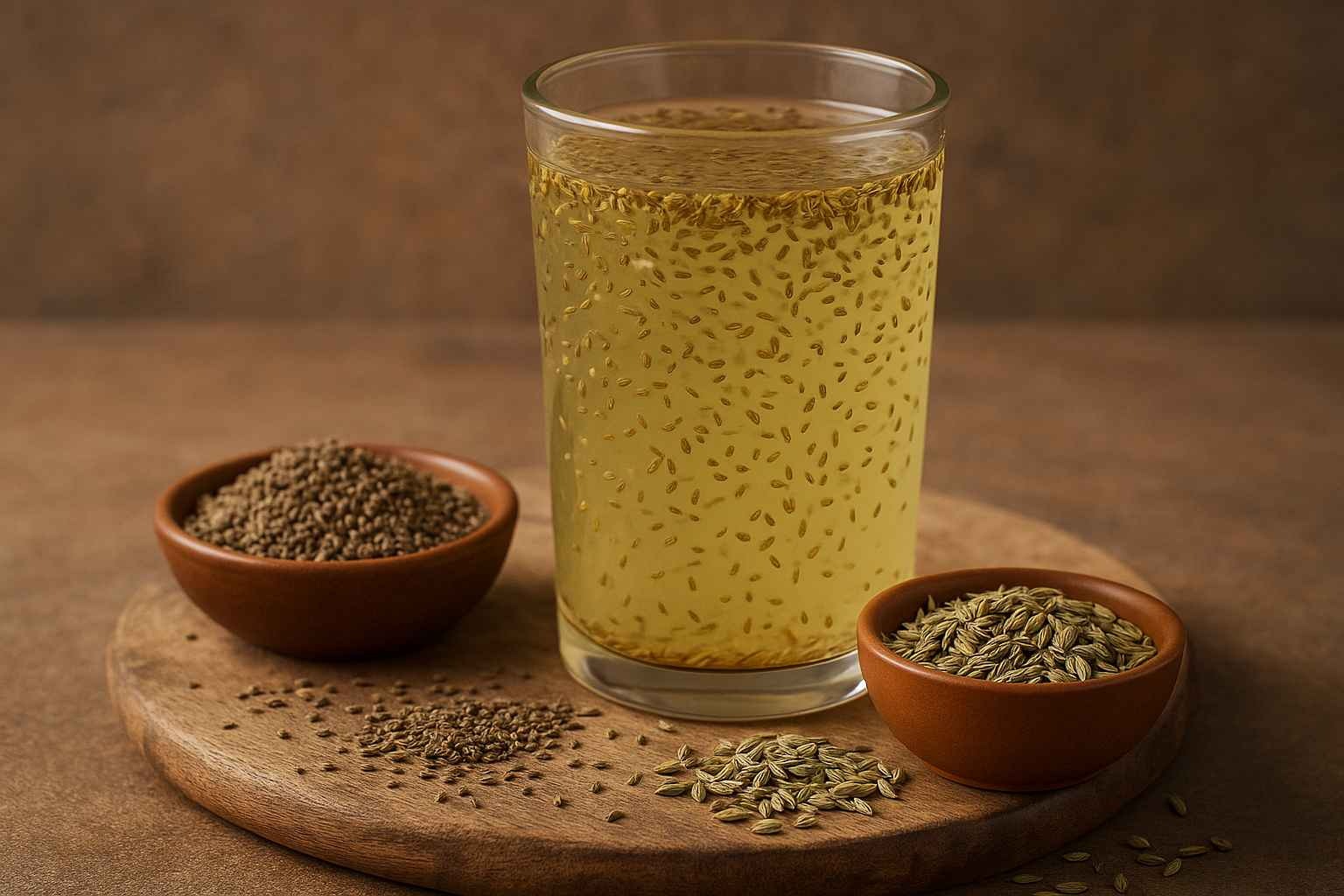
While both fennel (saunf) and carom seeds (ajwain) are renowned in Indian households for their digestive properties, a doctor explains that they serve different purposes for distinct digestive problems. It's a common misconception that they can be used interchangeably for all kinds of indigestion. Understanding their specific benefits can lead to more effective home remedies for gastrointestinal issues.
Saunf (Fennel Seeds) Water: Often consumed after meals, fennel seed water is primarily known for its carminative properties. It helps in relieving gas, bloating, and mild indigestion by relaxing the muscles of the digestive tract. It's particularly effective for reducing flatulence and providing a cooling sensation, making it suitable for pitta-related imbalances in Ayurveda, often manifesting as acidity or burning sensations. Fennel water can also act as a mild laxative and breath freshener.
Ajwain (Carom Seeds) Water: In contrast, ajwain water is highly beneficial for more intense digestive distress, particularly those characterized by abdominal pain, cramps, and severe indigestion. Ajwain contains thymol, a powerful compound with antiseptic and anti-inflammatory properties that aids in the secretion of digestive juices. It's particularly effective for conditions like colic pain, indigestion due to heavy meals, and even cold and cough-related issues. Ajwain is considered to have a warming effect, making it suitable for kapha and vata imbalances.
The doctor emphasizes that while both are natural aids, it's crucial to identify the specific digestive discomfort before choosing between saunf and ajwain. For mild gas and a cooling effect, saunf is preferable. For sharper pains, cramps, and more significant indigestion, ajwain might offer more relief. However, for persistent or severe digestive problems, professional medical advice should always be sought.
_1297495186_100x75.jfif)
_340260878_100x75.jfif)
_1388856202_100x75.jfif)
_1404400382_100x75.jfif)
_19172846_100x75.jfif)