
 Ziya
Ziya Share
Share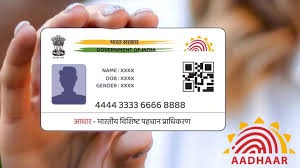
The Unique Identification Authority of India has introduced significant updates to the Aadhaar verification process to enhance user security and prevent financial fraud. Citizens are often worried about sharing photocopies of their Aadhaar cards at various places like hotels and private offices as this practice exposes their twelve digit personal identification number and increases the risk of data misuse. To tackle this issue the authority has emphasized the use of the Offline Aadhaar Verification method which allows identity confirmation without sharing sensitive documents or the full Aadhaar number. This secure mechanism works by using the digitally signed QR code present on the Aadhaar card which holds demographic details like name address and photograph. Users can perform this verification using the mAadhaar mobile application or the QR code scanner without needing internet connectivity or biometric authentication. There is also an option called Aadhaar Paperless Offline eKYC which can be accessed through the My Aadhaar portal where users can download a secure XML file to share with service providers instead of a physical photocopy. By adopting these digital measures people can strictly avoid handing over their physical cards to unauthorized entities ensuring that their private information remains protected from scammers and identity theft. This move acts as a crucial step towards safer digital transactions and privacy protection for every cardholder in the country.
Read More: Big Blow to Fuel Prices? Centre Hikes Excise Duty and Infra Cess on High-Speed Diesel