
 Ziya
Ziya Share
Share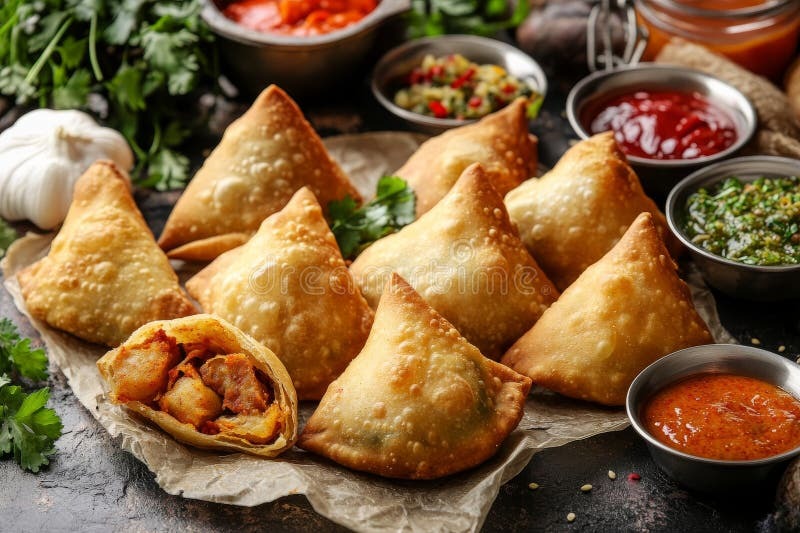
Let's be honest, the sight and smell of Indian street food is a temptation that's hard to resist. That crispy, golden samosa just out of the fryer, the fluffy bhature next to a bowl of spicy chole, or the sweet, syrupy swirls of a jalebi—it's a core part of our culture and a source of simple, delicious joy.
But for someone managing diabetes, this landscape of temptation is also a minefield. While many people think "a little bit won't hurt," certain popular Indian fast foods are what nutritionists call a "perfect storm"—a combination of ingredients that can send your blood sugar levels on a dangerously high rollercoaster.
It’s not just about the sugar. It’s about a trio of culprits that work together: refined flour (maida), deep frying in unhealthy oils, and starchy ingredients like potatoes. When these come together, they create a food that gets digested incredibly fast, flooding your bloodstream with glucose. Here are some of the most popular offenders you should be especially wary of.
First, consider the undisputed king and queen of Indian snacks: the samosa and the kachori. The problem here is threefold. You have a crispy outer shell made of refined flour (maida), which has a high glycemic index. This shell is then filled with a starchy potato mixture. To top it all off, the entire package is deep-fried, adding a heavy load of unhealthy fats and calories. There is almost no fiber to slow down digestion, making this a direct hit to your blood sugar levels.
Next up is the ultimate North Indian indulgence, Chole Bhature. The bhatura itself is a large piece of deep-fried bread made entirely from refined flour. It's light and puffy, which means it digests even faster. While the chole (chickpea curry) might seem healthy, it's often cooked in a lot of oil and gravy, adding significantly to the meal's calorie and fat content. This combination is a well-known recipe for an immediate and prolonged blood sugar spike.
Then we have Mumbai’s iconic street food, the Vada Pav. It seems so simple, but it’s a classic case of carbs wrapped in more carbs. The 'vada' is a patty made of mashed potatoes, which is then coated in a gram flour batter and deep-fried. This fried, starchy ball is then placed inside a 'pav,' a soft bun made from, you guessed it, refined white flour. It’s a double whammy for anyone trying to control their glucose levels.
Another category to watch out for is bhajis or pakoras. While they often contain vegetables, they are dipped in batter and deep-fried, soaking up a huge amount of oil. This not only adds a lot of hidden calories but the cooking process can also interfere with how your body processes sugar and uses insulin.
Finally, we come to the most obvious danger: the sweets. A hot, syrupy jalebi or a soft gulab jamun isn't just sugary—it’s a dessert that has been deep-fried first and then drowned in sugar syrup. This makes them one of the worst possible things for a person with diabetes to eat, offering a massive and almost instantaneous sugar rush with zero nutritional benefit.
Managing diabetes doesn't mean giving up delicious food forever, but it does mean being smart about your choices. And when it comes to these specific street foods, understanding the powerful, negative impact they have on your body is the first step toward protecting your long-term health.