


US President Shares Provocative Map, Crushes Iran's 7-Day Maritime Ceasefire Deal
_111584354.jpg)
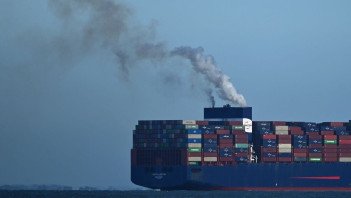
Geopolitical tensions across the Middle East surged toward an alarming tipping point on Saturday, September 26, 2026, as US President Donald Trump escalated his standoff with Tehran by sharing a controversial map on Truth Social showing the vital Strait of Hormuz renamed as the "Trump Strait." The symbolic provocation accompanied Washington's outright rejection of an Iranian diplomatic proposal to reopen commercial navigation through the crucial energy transit corridor within seven days. With the maritime confrontation between the United States Navy and the Islamic Republic now stretching into its fifth volatile month, Trump declared that the US maintains comprehensive operational dominance over the waterway, reiterating that Washington will never permit Tehran to attain nuclear weapons capability while keeping pre-emptive military options on the table.
Four Pre-Conditions Rejected: What Iran's 7-Day Maritime Proposal Entailed
The breakdown in maritime negotiations follows an explicit diplomatic roadmap tabled by Iranian Foreign Minister Abbas Araghchi, which conditioned the resumption of regular tanker shipping on key American concessions:
Lifting the Naval Blockade: Iran demanded the immediate cessation of the US Navy’s operational quarantine and naval interception patrols surrounding strategic Iranian commercial ports.
Oil Sanctions Relief: Tehran required the formal removal of unilateral American economic sanctions prohibiting Iranian crude oil exports in global commodity markets.
Regional Ceasefires: Iran sought a coordinated cessation of active hostilities and airstrikes across regional conflict theaters, including Lebanon.
The Countdown Mechanism: Araghchi stated that a seven-day countdown toward unhindered international maritime navigation would commence the moment Washington agreed to all four stipulations.
'Iran Will Never Get a Nuclear Bomb': Trump Asserts Total Blockade Dominance
Firmly closing the door on the Iranian offer, President Trump cited systemic distrust regarding Tehran’s regional intentions and atomic roadmap:
Hardline Rejection: Speaking in response to the Iranian proposal, Trump reiterated that the United States will not barter maritime passage against security compromises, declaring definitively that Iran will never become a nuclear-armed power.
Military Alternatives Active: Quoting administrative confirmations reported by The Washington Post, Trump signaled that kinetic military strikes remain an active policy tool if commercial navigation is threatened or nuclear enrichment steps cross red lines.
Asserting Chokepoint Hegemony: Defending the provocative renaming of the maritime lane as "Trump Strait," the US administration argued that extensive US Fifth Fleet deployments and blockade cordons have effectively transferred strategic control of the channel into American hands.
Chokepoint Under Siege: Fallout Across Volatile Global Oil and Gas Markets
The hardening impasse over the narrow sea channel is sending shockwaves through international maritime logistics and global energy markets:
Crucial Energy Artery: The Strait of Hormuz handles nearly 20 to 21 percent of worldwide petroleum consumption and liquefied natural gas (LNG) flows, making it the most critical maritime chokepoint on the planet.
Soaring Shipping Premiums: Protracted disruptions, diverted tanker routes around Africa, and spiked war-risk marine insurance premiums have triggered steep volatility across global benchmark crude indices, adding severe economic pressure on major energy-importing economies.
Vanishing Diplomatic Off-Ramps: With American warships enforcing a naval cordon and the White House dismissing short-term ceasefire arrangements, regional security analysts warn that the risk of a direct shooting war in the Persian Gulf remains dangerously elevated.
_1250583545_351x234.jpg)


_237845360_351x234.jpg)