US Major Blows Whistle on Kuwait Strike That Killed 6 Soldiers
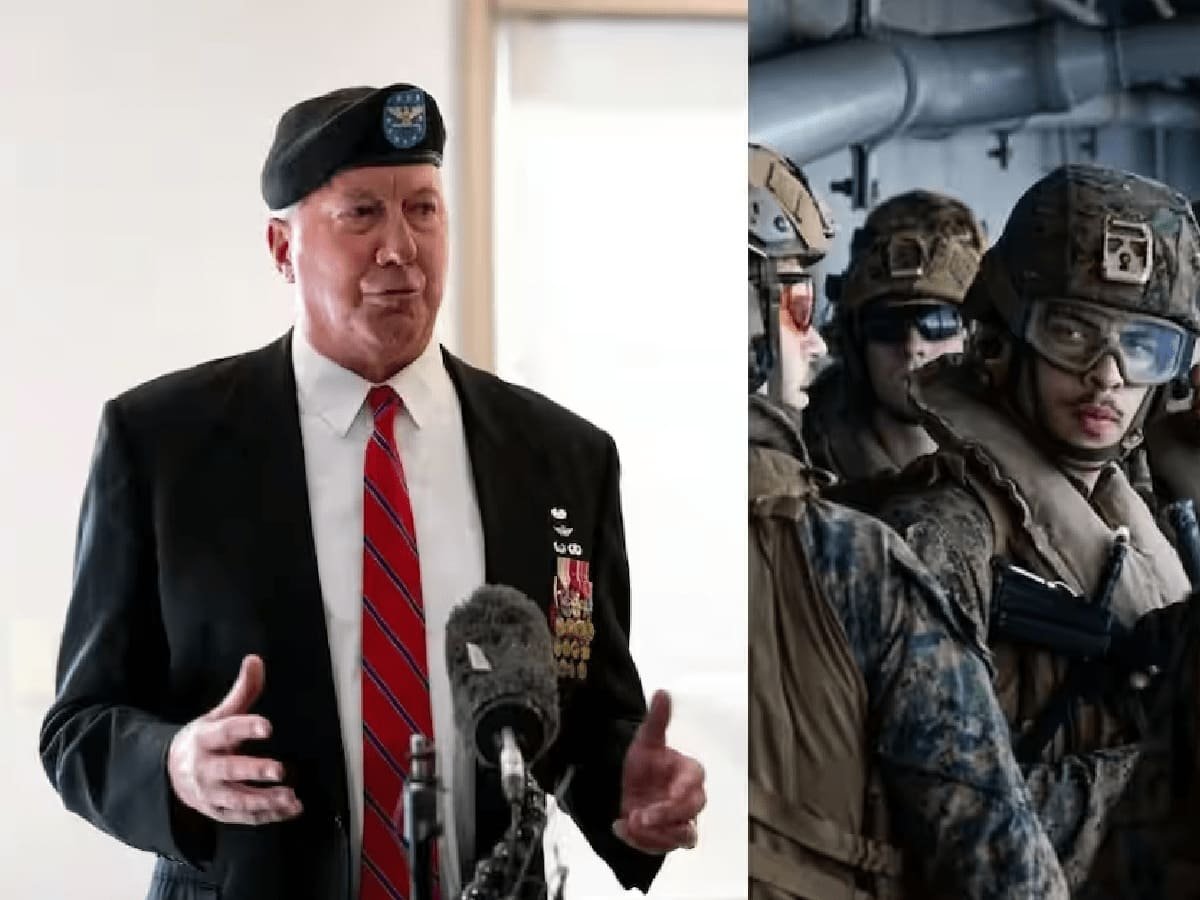
A serious political and military controversy has erupted in Washington following revelations surrounding a devastating Iranian drone strike that claimed the lives of six US Army Reserve soldiers in Kuwait. Army Major Stephen Ramsbottom, who survived and was wounded in the attack, has officially filed a high-level whistleblower complaint with the US Congress, alleging catastrophic security lapses, dismissed intelligence warnings, and a systemic failure of leadership. The complaint, submitted to the House and Senate Armed Services Committees as well as key congressional oversight panels, calls for an independent investigation into the force protection measures—or lack thereof—at the temporary command post in Kuwait.
Anatomy of a Tragedy: The Port Shuaiba Strike
The incident occurred on March 1, 2026, during the opening days of Operation Epic Fury, just 24 hours after the United States and Israel launched military operations against Iran. An explosive-laden Iranian drone successfully penetrated airspace and struck a tactical operations center located at Port Shuaiba in Kuwait.
The precision strike resulted in the tragic deaths of six American service members: Army Reserve Captain Cody Khork, Sergeant First Class Noah Tietjens, Sergeant First Class Nicole Amor, Sergeant Declan Cody, Major Jeffrey O'Brien, and Chief Warrant Officer Three Robert Marzan. The attack marked one of the deadliest single losses of American personnel in the region, plunging grieving families and military advocates into a bitter search for accountability.
Whistleblower Alleges Ignored Warnings and Inadequate Defenses
Major Ramsbottom, who served as the deputy chief of operations for the 103rd Expeditionary Sustainment Command, came forward with harrowing details in interviews and formal disclosures. According to his complaint, the makeshift facility was woefully unprepared for aerial threats.
Thin Fortifications: Ramsbottom noted that while the base was equipped with basic concrete barriers designed to stop car bombs, there were zero defensive structures or active anti-drone systems capable of intercepting incoming projectiles from the air.
Ignored Intelligence: The major stated he personally reviewed intelligence warnings placing their specific location on an Iranian target list, noting, "I saw those reports, there was definitely an X where we were."
Dismissed Concerns: Ramsbottom alleged that he raised security concerns on multiple occasions with senior leadership, including Major General John Hinson, CENTCOM's logistics officer in charge. According to the complaint, leadership brushed off the risks, assuring staff that they did not need to worry about specialized aerial protection. Furthermore, a promised counter-drone system never materialized.
Gaps in Medical Infrastructure: The whistleblower's filing highlights that the base operated without a resident physician, lacked a fixed medical aid station, and relied on a single ambulance during a mass-casualty scenario.
Clash Between Whistleblower Accounts and Pentagon Statements
The explosive allegations stand in direct contradiction to public statements issued by civilian defense leadership in the immediate aftermath of the tragedy.
Speaking to reporters just a day after the March 1 strike, US Defense Secretary Pete Hegseth defended the security posture of the installation, characterizing the attack as an anomaly where a single drone managed to slip past defenses. Hegseth maintained that the tactical operations center had been fortified with six-foot-high walls, a sentiment echoed by Pentagon chief spokesperson Sean Parnell, who rejected early media reports suggesting the site was a vulnerable, makeshift trailer park.
However, surviving personnel, grieving family members, and lawmakers have pushed back aggressively against the Pentagon's narrative. Joey Amor, whose wife Master Sergeant Nicole Amor was killed in the blast, openly questioned leadership decisions, telling investigators that the fallen soldiers deserved basic protective infrastructure.
Congressional Scrutiny and Future Investigations
The disclosure has triggered immediate legislative action on Capitol Hill. Senator Richard Blumenthal, ranking member of the Senate Permanent Subcommittee on Investigations, has formally requested that Defense Secretary Hegseth appear for a classified briefing and hand over all comprehensive force protection assessments regarding Port Shuaiba.
With congressional oversight committees preparing to launch deep inquiries into the handling of the conflict with Iran, Major Ramsbottom's whistleblower testimony has transformed a localized military tragedy into a national debate on accountability, troop welfare, and the true cost of operational readiness in modern warfare.