


US Imposes Strict Movement Curbs on Iranian President Pezeshkian at UNGA in New York
_351424887.jpg)
Escalating long-standing geopolitical friction onto the diplomatic stage in New York, the United States has enforced stringent movement restrictions on Iranian President Masoud Pezeshkian during his high-profile attendance at the United Nations General Assembly (UNGA). Under strict protocols administered by the US State Department, the Iranian leader and his delegation are strictly barred from moving freely across New York City, confining his physical access exclusively to his designated Manhattan accommodation and the United Nations headquarters complex on the East River. Any travel beyond this tightly circumscribed perimeter—including private excursions, dining, or retail visits—will mandate formal, explicit clearances from American authorities, underscoring the intense diplomatic chill that has dominated bilateral relations between Washington and Tehran over the past seven months.
Iran to Mount Self-Defense Defense at UN Podium Amid Sanctions and Think-Tank Hesitation
Addressing world leaders at the multilateral summit, President Pezeshkian is preparing to position Iran as the target of relentless foreign military pressure, framed largely around recent military escalations involving the United States and Israel. According to International Crisis Group expert Richard Gowan, Tehran's primary diplomatic objective at the assembly will be to argue before the international community that its defensive maneuvers, uranium enrichment initiatives, and strategic postures represent legitimate self-defense measures under international law. Simultaneously, while the Iranian diplomatic corps has sought to arrange backchannel engagements with prominent American and European policy analysts in New York, several think tanks have expressed acute hesitation, citing stringent US economic sanctions and regulatory compliance risks that heavily penalize unauthorized dialogues with high-level Tehran officials.
Simmering Nuclear Standoff and Hormuz Shipping Tensions Overshadow Breakthrough Hopes
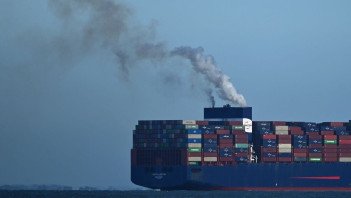
President Pezeshkian’s arrival comes against the backdrop of persistent regional volatility, following previous 12-day joint US-Israeli surgical air operations against Iranian nuclear installations and ongoing naval frictions along commercial shipping corridors in the Strait of Hormuz. US President Donald Trump has maintained an uncompromising posture, reiterating that Washington will employ maximum deterrence to ensure Iran never achieves nuclear weapons capability, despite floating the possibility of face-to-face talks. However, with multilateral confidence at historic lows, UN Secretary-General António Guterres and senior global envoys have cautioned that the prospects for any decisive diplomatic accord during this UNGA session remain virtually negligible, pushing any substantive bilateral normalization far into the future.
_192685006_351x234.jpg)

_1916214837_351x234.jpg)
_839119657_351x234.jpg)
_2051270886_351x234.jpg)
_529842301_351x234.jpg)