Trump Weighs Skipping Iran Nuclear Deal to Prioritize Strait of Hormuz Reopening
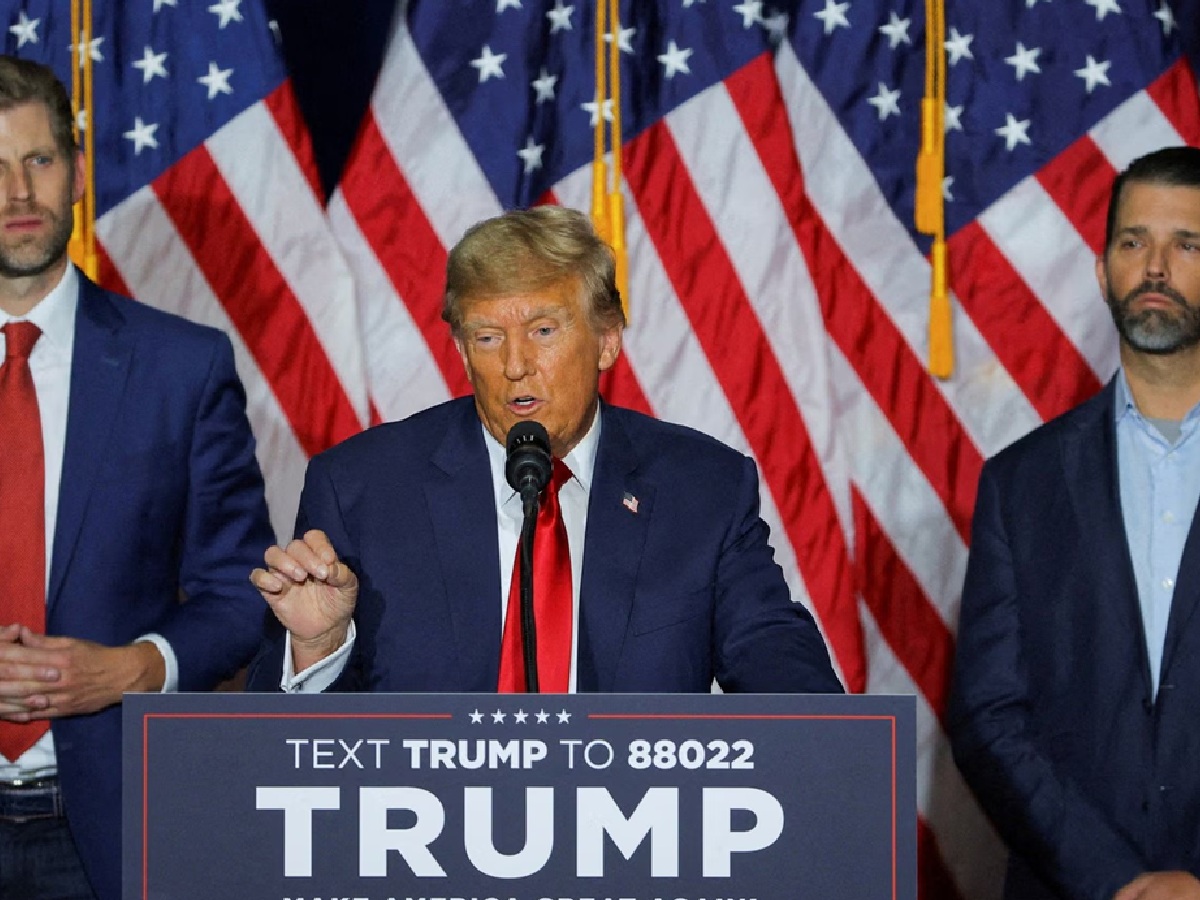
US President Donald Trump is reportedly shifting his primary foreign policy focus away from a traditional nuclear agreement, signaling that reopening the critical Strait of Hormuz takes precedence in ending the ongoing military conflict with Iran. According to administration insiders, Trump has privately indicated to senior officials that if Tehran fully resumes unrestricted commercial shipping through the vital sea lane, the United States could walk away from the conflict without pursuing a formal nuclear pact.
The Strait of Hormuz remains one of the world's most indispensable maritime chokepoints, responsible for transporting a massive global share of traded oil and liquefied natural gas. Since hostilities escalated, Iran has completely blocked navigation routes through the strait while explicitly barring US and allied warships from passing. This strategic chokehold has triggered severe volatility across international energy markets and caused crude oil and domestic petrol prices in the US to surge well above pre-conflict baselines, creating mounting political urgency for the Trump administration ahead of upcoming midterm elections.
Tehran's Stringent Conditions for Opening the Waterway
Iran has leveraged its geographical advantage—utilizing missiles and drones to control maritime traffic—to impose a heavy list of preconditions for reopening the waterway. Mohammad Bagher Zulghadr, Secretary of Iran's Supreme National Security Council, stated that Tehran expects a permanent end to military operations, the immediate lifting of the ongoing sea blockade, and a complete withdrawal of US military forces from the region.
Additionally, Iran is demanding the total removal of all international sanctions, the repatriation of frozen foreign assets, and billions of dollars in financial compensation to cover war-related damages. Tehran has further insisted that Washington halt all threatening rhetoric and stop military actions targeting Iran-backed groups across the Middle East.
Deadlock and Political Stakes for the White House
The diplomatic path forward remains exceptionally narrow. The United States has firmly rejected Iran's attempts to levy tariffs and enforce strict navigational restrictions within the international trade route. While President Trump has publicly claimed on multiple occasions that the strait is open and a breakthrough agreement is near, administration officials acknowledge that no formal treaty has been signed. Vice President JD Vance has reaffirmed that Washington will continue to maintain maximum pressure on Tehran until American economic and security objectives are fully secured.
_2105301614_351x234.jpg)