


Trump Faces Fierce Backlash Over Russian Oil Sanctions Relief as Democrats Demand
_1873050524.jpg)
A fierce political storm has erupted in Washington after US President Donald Trump authorized emergency sanctions relief on the sale of Russian crude oil, drawing intense bipartisan criticism across Capitol Hill. Democratic leaders and foreign policy hardliners have fiercely denounced the executive maneuver, alleging that relaxing commercial curbs hands Russian President Vladimir Putin a major economic windfall while undermining Western leverage to halt the protracted Ukraine war. The controversial waiver, issued barely a month after the enactment of sweeping punitive legislation, has triggered explosive accusations that the administration is softening its geopolitical stance against Moscow to manage domestic fuel inflation ahead of high-stakes November midterm elections.
Invoking Section 115: How the Sanctions Waiver Protects Top Russian Energy Buyers
The legal mechanism behind the executive order involves specific presidential authority embedded within federal sanctions statutes:
Executive Action Under Section 115: President Trump exercised discretionary waiver authorities under Section 115 of the Lindsey O. Graham Russia and Iran Sanctions Act, an enforcement statute signed into law only weeks prior.
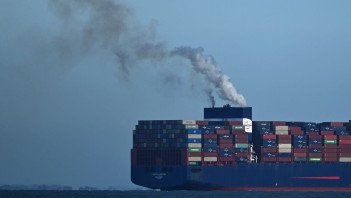
Shielding Major Importers from 100% Tariffs: The underlying legislative framework mandated punitive tariffs reaching up to 100 percent on commercial imports arriving in the United States from the top five international buyers of Russian fossil fuels, directly targeting prominent consumers such as India and China.
Broad Presidential Exemption Power: By triggering the Section 115 provision, the executive branch temporarily shields foreign trading entities from secondary sanctions and trade duties, keeping maritime Russian crude trade flows moving through global supply networks.
Domestic Politics and Rising Diesel Costs: The November Midterm Calculation
The timing of the sanctions relief points to acute domestic economic pressures facing the administration:
Surging Domestic Energy Prices: The decision follows growing panic over soaring nationwide diesel and gasoline prices, an inflationary pressure point threatening consumer sentiment and cost of living.
Midterm Election Vulnerability: Analysts highlight that escalating pump prices have put the ruling party in a defensive position ahead of critical November midterm races, prompting urgent maneuvers to stabilize global crude supply lines.
Intense Political Storm: The move has handed political opponents a potent talking point, turning energy policy and foreign sanctions compliance into a fiery election campaign flashpoint.
Bipartisan Backlash Mounts: Democrats and Republicans Accuse Administration of Aiding Moscow
The executive waiver has encountered harsh criticism from across the American political spectrum:
California Governor's Sharp Rebuke: California Governor Gavin Newsom’s office openly questioned the arrangement on the social media platform X, writing pointedly, "Who is receiving money from Putin and how much?"
Calls for Congressional Reform: Democratic Congressman Don Beyer labeled the sanctions rollback an outright capitulation to Vladimir Putin and an indefensible betrayal of Ukrainian defense efforts, suggesting presidential statutory powers were being abused and demanding urgent congressional curbs.
GOP Voice Breaks Ranks: Crossing party lines, Republican Congressman Don Bacon criticized the move, warning that loosening economic restrictions serves to prolong the conflict rather than bring about its conclusion.
Garry Kasparov Sounds Alarm: Renowned former world chess champion and prominent Russian dissident Garry Kasparov slammed the relief, emphasizing that extending financial breathing room to the Kremlin directly endangers Ukrainian lives, destabilizes international security, and dilutes strategic deterrence.
_1607257821_351x234.jpg)

_1540899011_351x234.jpg)
_134206019_351x234.jpg)
_816501687_351x234.jpg)