










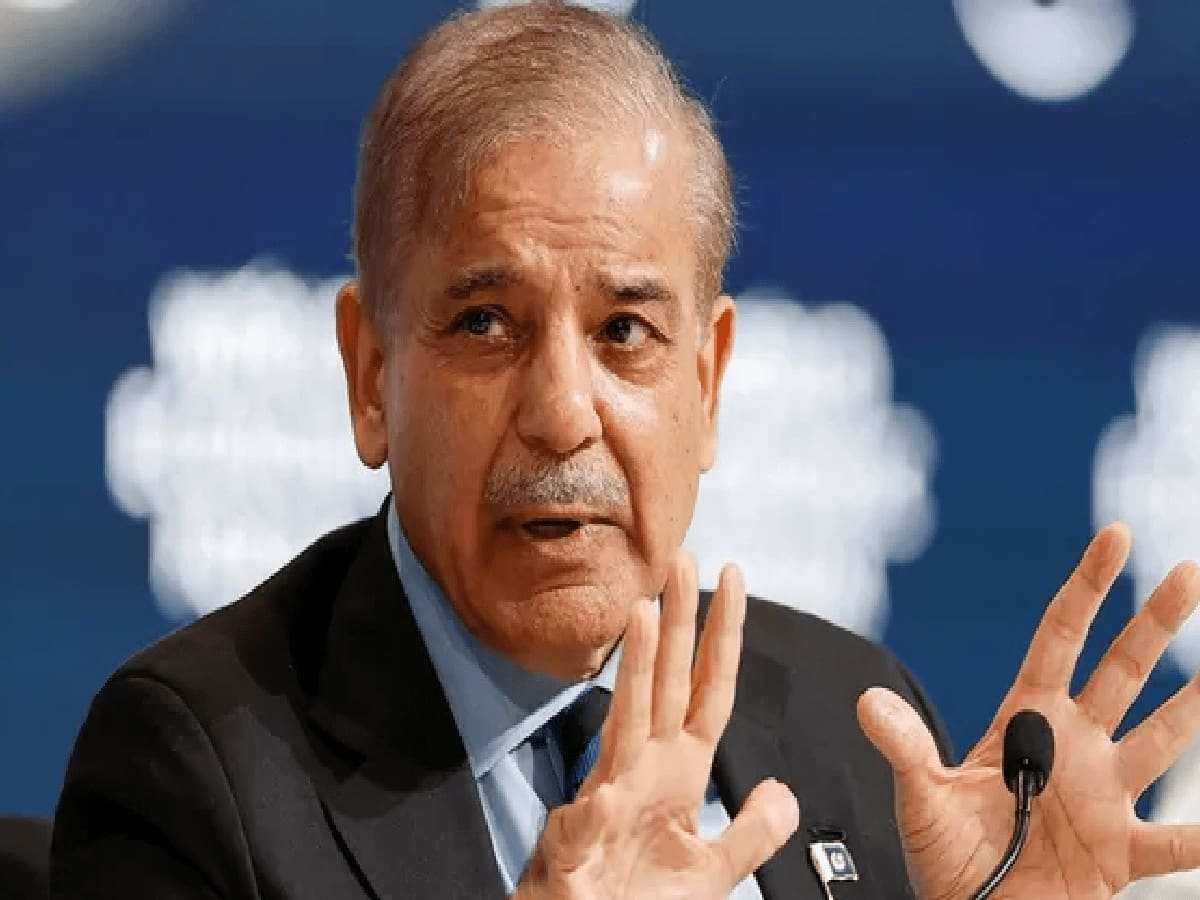
Pakistan, Saudi Arabia, and Turkey Meet in Islamabad Over Houthi Attacks
Against the backdrop of escalating drone and missile strikes by Yemen's Iran-aligned Houthi fighters on Saudi Arabian territory, a pivotal two-day trilateral meeting of the Mecca Defence Alliance—bringing together Pakistan, Saudi Arabia, and Turkey—opened in Pakistan's capital Islamabad on Friday, November 27, 2026. Convening as the third session of the pact's Strategic Political and Defence Committee (SPDC), the summit brings senior foreign and defense ministers from all three nations to the table to operationalize their collective-security pact signed in Mecca on August 7, 2026—an agreement stipulating that an armed attack on any one member state is treated as an attack on all three. Ahead of the talks, authorities declared Friday a public holiday across Islamabad and Rawalpindi and imposed strict security and movement restrictions, while Pakistan's Defence Minister Khawaja Asif underscored that "any threat to Saudi Arabia is a threat to Pakistan and Turkiye". The diplomatic huddle unfolded amid active military and diplomatic fallout across the Gulf: on Thursday, November 26, a Houthi aerial projectile struck Saudi Arabia's Jazan oil refinery on the Red Sea coast, killing one Nepali worker and injuring several multinational staff, prompting strong condemnation from the Muslim World League; on Friday, Saudi fighter jets bombed Houthi-held areas in Yemen's Taiz province, reportedly killing 11 people, many of them children; and Pakistan's Deputy Prime Minister and Foreign Minister Ishaq Dar held urgent telephone consultations with Iranian Foreign Minister Abbas Araghchi to convey Islamabad's diplomatic message on regional de-escalation. Across Uttar Pradesh—especially in state capital Lucknow and neighboring centers such as Unnao, Kanpur, Prayagraj, and Varanasi, from where hundreds of thousands of Indian expatriate workers live and work across Saudi Arabia and the wider Gulf—regional security developments and energy-infrastructure safety remain matters of immediate concern.
Key Developments Surrounding the Islamabad Trilateral Defence Summit
| Event / Dimension | Verified Ground & Diplomatic Details (November 26–28, 2026) |
| Islamabad Trilateral Summit | Two-day meeting (November 27–28, 2026) of Pakistan, Saudi Arabia, and Turkey under the Mecca Defence Alliance (third SPDC session). |
| Security Lockdown in Twin Cities | Public holiday declared on Friday, November 27 in Islamabad and Rawalpindi, with special traffic restrictions and heightened security deployment. |
| Treaty Ratification & Scope | Signed in Mecca on August 7, 2026; Turkey completed final ratification in November 2026, though Ankara has signaled its focus remains defending Saudi Arabia rather than deploying troops inside Yemen. |
| Jazan Refinery Strike & Taiz Airstrikes | Thursday's Houthi strike on Jazan oil refinery killed one Nepali citizen and wounded several workers; Friday's Saudi airstrikes in Taiz, Yemen killed 11 people, mostly children. |
| Parallel Iran Diplomacy | Pakistani Deputy PM & Foreign Minister Ishaq Dar spoke by phone with Iranian Foreign Minister Abbas Araghchi on Thursday ahead of the Islamabad talks. |
Collective Defence Promise vs. Operational Caution From Islamabad and Ankara
While Article-level collective-defense language in the Mecca Agreement commits Riyadh, Islamabad, and Ankara to mutual defense, translating that pledge into direct military action against the Houthis has proved complex during nearly three months of sustained cross-border strikes. Turkey—whose parliament approved the pact earlier in November before final presidential publication—has maintained that its policy is strictly geared toward defending Saudi Arabia rather than joining offensive ground or air operations inside Yemen. Pakistan, despite maintaining military personnel in the Kingdom and pledging to go to any lengths to safeguard Saudi sovereignty, has likewise avoided formally announcing direct offensive strikes against Houthi positions even as reports point to discreet defense coordination. Following Friday's opening round in Islamabad, Deputy Prime Minister Ishaq Dar stated that Pakistan and Turkey pledged to intensify practical support to help Saudi Arabia defend its airspace and vital infrastructure.
Jazan Oil Refinery Attack, Saudi Airstrikes in Taiz, and Tehran Outreach
Urgency inside the Islamabad conference rooms was heightened by escalating violence on the ground. On Thursday, November 26, a Houthi projectile hit the coastal Jazan oil refinery near the Yemeni border—just a day after strikes targeted Ras Tanura and days after a strike injured 11 people at a financial tower in Riyadh. The Jazan blast sparked a fire that was brought under control after temporarily suspending some refinery processes, claiming the life of a Nepali national and injuring several workers of various nationalities—an attack swiftly condemned by the Muslim World League. On Friday, retaliatory Saudi airstrikes in Houthi-controlled Taiz province killed 11 people, predominantly children, underscoring the human toll of the conflict. Seeking to prevent wider regional conflagration while bolstering Saudi air defenses, Ishaq Dar also reached out to Iranian Foreign Minister Abbas Araghchi on Thursday, signaling that Islamabad is pairing trilateral deterrence with active diplomatic backchannels to Tehran.






