Netanyahu's Final Push on Iran? Mossad Chief's US Visit Sparks Buzz
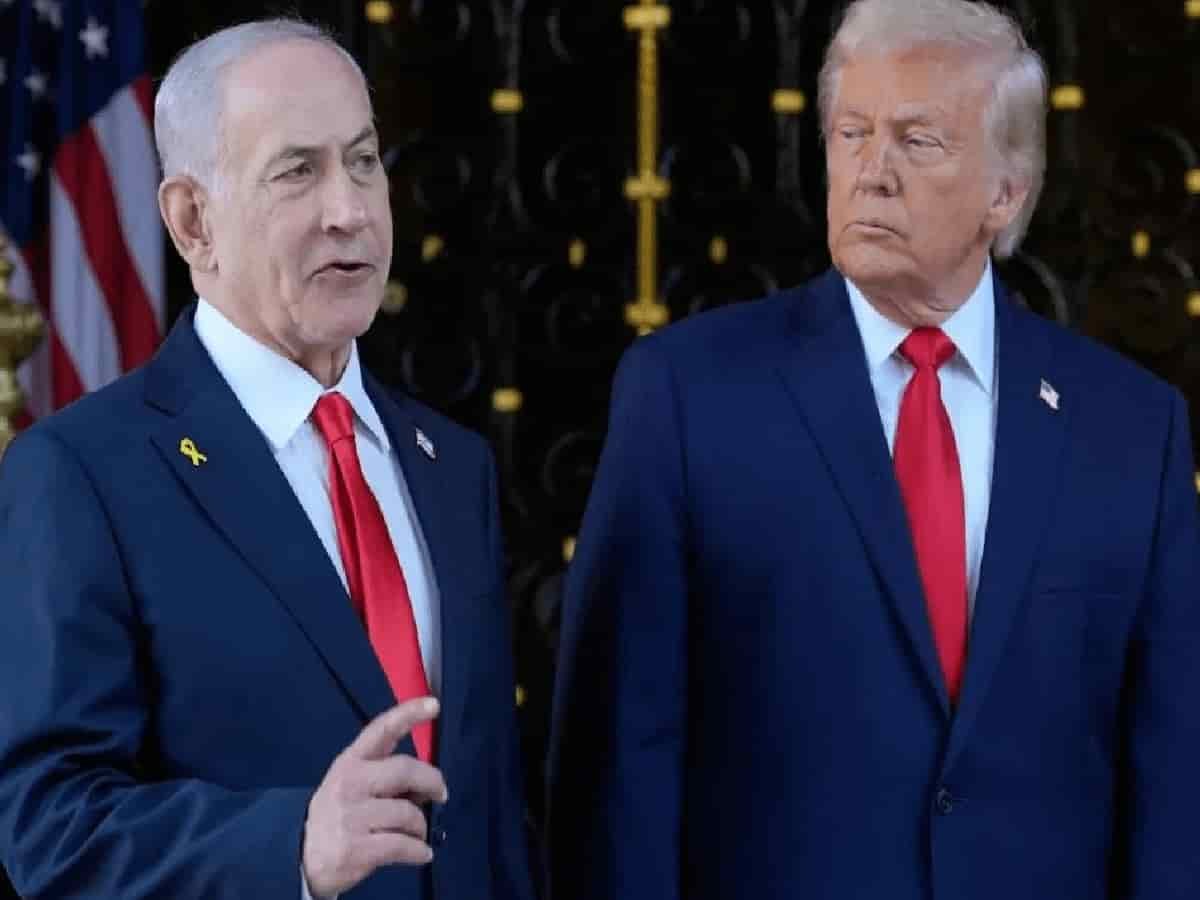
Geopolitical tensions in the Middle East have once again reached a boiling point as a flurry of high-level diplomatic and intelligence missions take center stage. Roman Gofman, the director of Israel’s Mossad intelligence agency and a close confidant of Prime Minister Benjamin Netanyahu, landed in Washington, D.C., for crucial, behind-the-scenes consultations with senior national security figures in U.S. President Donald Trump’s administration.
Gofman's high-profile meetings—including direct discussions with CIA Director John Ratcliffe and scheduled talks with White House envoy Steve Witkoff in Miami—have triggered international speculation. Observers are asking whether Prime Minister Netanyahu is orchestrating a final, aggressive push to secure American backing for renewed military strikes against Iran before domestic political shifts entirely tie his hands.
The Divergence Between Jerusalem and Washington on Iran
At the heart of the diplomatic friction is a fundamental disagreement over how to handle Tehran. While Prime Minister Netanyahu has been aggressively lobbying the White House to restart full-scale military operations against Iranian targets, President Donald Trump’s administration has exhibited strong reluctance.
Trump has signaled a preference for giving diplomatic negotiations, regional economic pressure campaigns, and naval blockades more time to yield results. The U.S. president is reportedly weighing various options alongside regional partners like Saudi Arabia, Qatar, and the United Arab Emirates, favoring an approach that avoids an immediate, full-scale regional conflagration.
Despite these American reservations, reports indicate that Netanyahu has continued to press the issue persistently. Gofman's deployment to Washington is viewed by regional analysts as a critical litmus test to determine whether Israel can sway the White House or if Washington will firmly hold the line in favor of diplomacy.
Domestic Political Turmoil Compounds Regional Pressures
The high-stakes maneuvers in Washington are unfolding against the backdrop of severe political instability inside Israel. Following the closely contested national elections on October 27, 2026, Netanyahu’s right-wing and religious coalition narrowly lost its parliamentary majority in the 120-seat Knesset.
In a historic setback for the incumbent leader, Israeli President Isaac Herzog formally tasked opposition figure and former IDF Chief of Staff Gadi Eisenkot—leader of the Yashar party—with forming the next governing administration. Eisenkot has been handed a 28-day window to build a viable coalition.
This transition of power has created deep anxieties among opposition lawmakers and international monitors. Critics and political rivals have expressed growing fears that a military escalation with Iran could be leveraged to disrupt coalition formation talks, freeze domestic political opposition, or alter the security calculus of the country. However, security insiders note that while political pressures are high, military options require complex coordination and legal authorization that face robust internal checks from other top-tier defense officials.
High-Level Briefings and What Lies Ahead
Prior to Gofman's departure for the United States, Netanyahu held a comprehensive two-hour briefing with Eisenkot to discuss the sensitive security situation surrounding Iran. Sources close to the incoming government-formation lead indicated that current circumstances do not warrant an immediate military escalation.
As Mossad Director Gofman concludes his meetings with American intelligence counterparts, the coming days will reveal whether the Trump administration will bend toward Israel's push for military intervention or maintain its diplomatic stance. For Netanyahu, fighting to secure his political legacy both at home and abroad, the outcome of these Washington talks could define the next chapter of West Asian geopolitics.