Inside Bangladesh’s Deepening Power Struggle and Army Leadership Turmoil
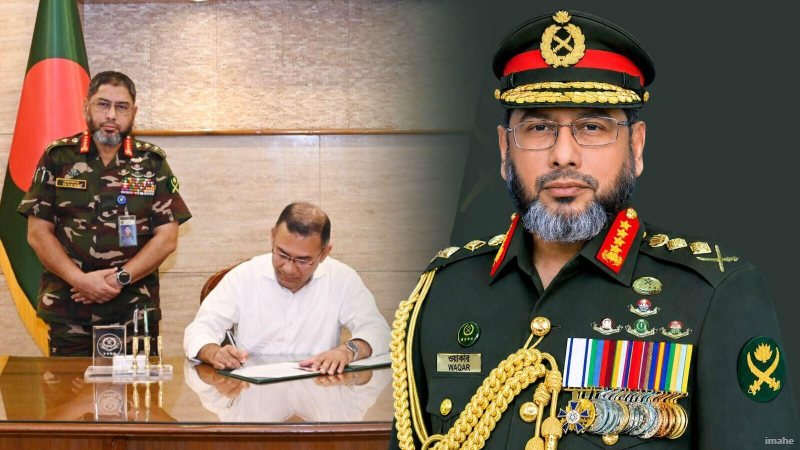
The political and institutional landscape of Bangladesh is once again experiencing turbulent tremors as unprecedented internal friction grips the nation's military hierarchy and power corridors. Recent developments point toward a high-stakes power struggle involving prominent political figures like Tarique Rahman and the country’s top military leadership, creating shockwaves throughout Dhaka and beyond. Observers note that shifting loyalties, institutional overreaches, and covert maneuvers have transformed the military establishment into a complex theater of political rivalry. As civil-military relations face their most severe test in recent memory, the unfolding saga highlights the fragile state of democratic transition and governance in South Asia, leaving regional analysts and international observers guessing about who truly holds the levers of power.
Behind Closed Doors: Unpacking the Friction Between Political Aspirations and Military Command
At the heart of this unfolding institutional drama is an intense tussle for influence between civilian political heavyweights and the upper echelons of the armed forces. Reports from defense circles suggest that key political actors are actively moving to clip the wings of top military commanders to ensure institutional alignment with emerging political equations. The delicate balance of power that traditionally insulates the military from partisan politics appears to be fracturing, with institutional appointments, transfers, and security mandates becoming hotbeds of intense behind-the-scenes lobbying. This friction has raised serious questions about civil-military supremacy and whether the armed forces can maintain absolute neutrality amidst a rapidly shifting political ecosystem.
Disguises and Dangers: The Curious Case of Covert Maneuvers and Hidden Agendas
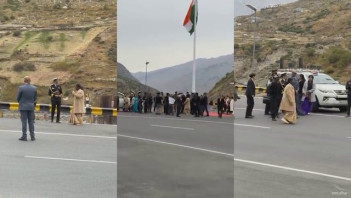
Adding a bizarre and cinematic twist to the ongoing institutional crisis are reports of high-ranking figures attempting covert movements, including alleged efforts to navigate the political maze under unconventional disguises or hidden identities. While public attention remains fixated on institutional crackdowns, whispers of midnight meetings and strategic retreats have added an extra layer of intrigue to the capital's power corridors. These dramatic developments illustrate the extreme volatility of the current political environment, where survival often hinges on outmaneuvering rivals before administrative nets close in. Intelligence agencies and political insiders are working overtime to decode these secretive maneuvers as the situation grows increasingly unpredictable.
Regional Ripple Effects: Why Bangladesh’s Internal Turmoil Matters to Global Neighbors
The escalating power struggle within Dhaka's military and political establishment is not merely an internal affair; it carries profound geopolitical consequences for the entire South Asian region. Neighbors and international partners, particularly regional powers monitoring border security and economic corridors, are viewing the instability with acute apprehension. A distracted or politically fractured military establishment in Bangladesh risks creating a security vacuum that could be exploited by radical elements or hostile external actors. Consequently, diplomatic missions in Dhaka have heightened their surveillance and intelligence reporting, emphasizing the critical need for institutional stability and constitutional order.
The Road Ahead: Navigating Uncertainty as the Nation Stands at a Crossroads
As Bangladesh braces for the next phase of this high-stakes political thriller, the immediate future of its governance structure hangs delicately in the balance. Whether the civilian leadership can successfully consolidate its authority without triggering a severe institutional backlash remains the defining question of the current political epoch. Citizens and civil society organizations are watching with bated breath, hoping that democratic norms and institutional integrity will ultimately prevail over raw power politics. Whatever the final outcome, the current upheaval marks a pivotal turning point in the modern political history of the nation, ensuring that the tremors of today will be felt for years to come.