










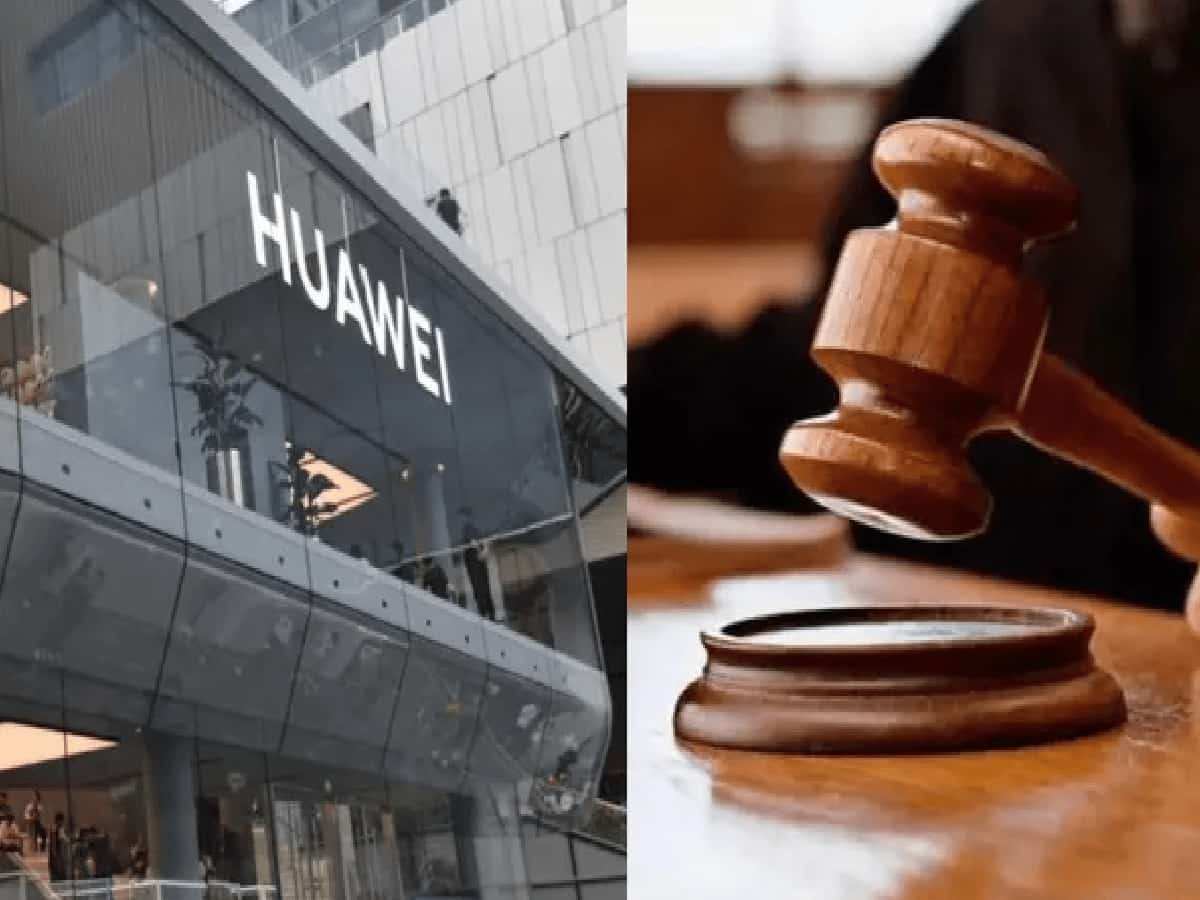
Huawei Convicted in US Court on 10 Counts of Fraud & Trade Theft
In one of the most consequential corporate criminal verdicts in modern technology and international trade history, a federal jury in Brooklyn, New York, on Tuesday, November 24, 2026, convicted Chinese telecommunications giant Huawei Technologies Co., Ltd. and three of its subsidiaries on 10 of 12 criminal charges. Following a sprawling, nearly three-month (12-week) trial presided over by United States District Judge Ann M. Donnelly in the Eastern District of New York, jurors found Huawei guilty of bank fraud, bank fraud conspiracy, wire fraud, wire fraud conspiracy, conspiracy to steal trade secrets from American technology firms, conspiracy to defraud the United States, money laundering conspiracy, and violations of the International Emergency Economic Powers Act (IEEPA) involving US economic sanctions on Iran. At the same time, the jury handed the Shenzhen-headquartered conglomerate a partial legal reprieve by acquitting Huawei on the two remaining counts: racketeering conspiracy (typically associated with organized criminal enterprises) and conspiracy to obstruct justice. Originating from a landmark US Department of Justice indictment unsealed in 2018–2019—which prompted Washington in 2019 to place Huawei on the US Commerce Department's Entity List (trade blacklist) over national-security concerns—the case saw federal prosecutors call more than 60 witnesses against 15 defense witnesses. Judge Ann Donnelly has scheduled formal sentencing for September 14, 2027, where Huawei faces potentially massive criminal fines, asset forfeiture, and victim restitution, even as defense attorneys confirmed plans to appeal. For telecom operators, technology professionals, enterprise IT buyers, and global-affairs readers across India—including readers in Lucknow and neighboring Uttar Pradesh cities such as Unnao, Kanpur, Prayagraj, and Varanasi, where India's own strict exclusion of untrusted Chinese telecom gear from 5G networks mirrors global supply-chain realignments—the Brooklyn verdict underscores enduring geopolitical fault lines over intellectual property and sanctions compliance.
Breakdown of the 12 Criminal Counts: What Huawei Was Convicted and Acquitted Of
Alongside parent company Huawei Technologies Co., Ltd., three subsidiaries—Chinese unit Huawei Device Co., Ltd. and US arms Futurewei Technologies Inc. and Huawei Device USA Inc.—were convicted on the technology-theft and wire-fraud counts:
| Verdict Category | Criminal Charges Decided by Brooklyn Federal Jury (Nov 24, 2026) | Core Prosecution Allegations Proven or Rejected at Trial |
| Guilty (10 Counts) | Bank Fraud & Bank Fraud Conspiracy; Wire Fraud & Wire Fraud Conspiracy; Conspiracy to Defraud the US; IEEPA Sanctions Violations & Conspiracy; Money Laundering Conspiracy | Deceived global lenders (including HSBC) by concealing Huawei's true ownership and control of Skycom Tech Co., using the front firm to move US dollars and conduct prohibited telecom business in Iran. |
| Guilty (Technology Theft Counts) | Conspiracy to Steal Trade Secrets (convicting Huawei and all three named subsidiaries) | Stole proprietary technology and confidential designs from major US firms—including T-Mobile's touchscreen-testing robot "Tappy", Cisco Systems' router source code, and confidential engineering data from Quintel USA, CNEX Labs, Motorola Solutions, and Fujitsu. |
| Not Guilty / Acquitted (2 Counts) | Racketeering Conspiracy (RICO) and Conspiracy to Obstruct Justice | Jurors declined to classify the corporate conglomerate as an ongoing criminal racketeering enterprise or convict it on obstruction conspiracy. |
Inside the Trial: From T-Mobile's 'Tappy' Robot to Skycom's Iran Operations
During the 12-week courtroom battle, federal prosecutors presented physical and documentary evidence spanning decades of corporate conduct. On the intellectual-property front, prosecutors detailed how Huawei engineers signed non-disclosure agreements before photographing and measuring T-Mobile's robotic phone-testing arm ("Tappy")—with one employee even carrying a component out of a restricted lab in his backpack—and copied proprietary Cisco router source code, attempting to mask references by spelling Cisco backwards as "ocsic" in internal comments.
On the sanctions front, jurors examined evidence surrounding Skycom, an unofficial subsidiary used to operate in Tehran, including a factual statement attached to former CFO Meng Wanzhou's 2021 deferred prosecution agreement acknowledging misleading representations made to global banks regarding Huawei's control over Skycom.
Huawei Vows to Appeal Ahead of September 14, 2027 Sentencing
Reacting outside the Brooklyn courthouse, Huawei's lead defense attorney Brian Heberlig argued that prosecutors "began with guilt and worked backwards," insisting the company's global rise—now generating roughly $126 billion (880.9 billion RMB) in annual revenue across more than 170 countries—was built on "competition, not conspiracy; innovation, not theft". In an official statement, Huawei maintained that the remaining convictions lack legal and factual merit and pledged to pursue every available appellate avenue ahead of Judge Ann Donnelly's September 14, 2027 sentencing hearing.






