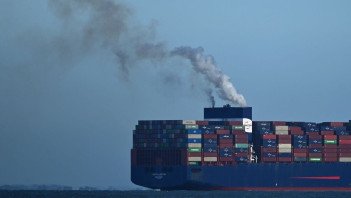
High Stakes and Rising Maritime Tensions in India’s Backyard
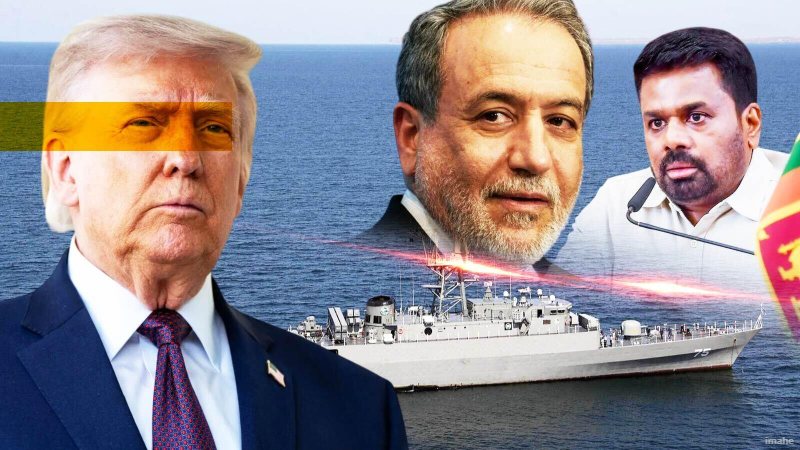
In a high-stakes geopolitical development rattling the South Asian security landscape, the United States has issued a stern, unequivocal warning to India's southern maritime neighbor, Sri Lanka. Washington has explicitly cautioned Colombo that providing any form of logistical support, fuel, or humanitarian assistance to stranded Iranian vessels and crude oil tankers anchored near its territorial waters will trigger severe consequences and potential secondary sanctions. This aggressive diplomatic posture has plunged the island nation into a severe strategic dilemma, caught directly between the crushing pressure of global superpower mandates and its fundamental maritime obligations. As the Indian Ocean transforms into a volatile chessboard of superpower rivalry, this unfolding crisis highlights the fragile economic and political tightrope developing nations must walk amid escalating international blockades and regional tensions.
The Epicenter of Conflict: Why Are Iranian Ships Trapped Near Sri Lankan Waters?
The roots of this looming geopolitical crisis trace directly back to intense Middle Eastern conflicts and comprehensive US-led economic blockades targeting Iranian petroleum exports and maritime trade. Following rigorous international navigation restrictions, numerous Iranian merchant vessels and oil tankers have found themselves stranded or forced to drop anchor in various international and regional shipping lanes. Recent satellite tracking and maritime surveillance data indicate that several of these stranded Iranian ships have lingered near Sri Lanka's Exclusive Economic Zone (EEZ) seeking provisions, fuel, and technical assistance. Deprived of regular port access due to international sanctions, these vessels hoped for regional mercy, completely unaware that their presence would quickly ignite a major diplomatic firestorm between Washington and Colombo.
Washington’s Iron-Fist Warning Versus Colombo's Sovereign Humanitarian Dilemma
Upon detecting the proximity of these sanctioned Iranian assets, senior American diplomats and security officials swiftly conveyed a direct message to the Sri Lankan government, warning that servicing or resupplying these vessels violates international compliance and invites strict US penalties. This hardline stance has trapped Sri Lankan authorities in an excruciating policy conundrum, pitting bilateral trade security against established maritime traditions that require coastal states to aid vessels in distress. While Western capitals demand unwavering compliance with sanctions, Sri Lankan policymakers and legal experts face intense domestic and international scrutiny over balancing national sovereignty with humanitarian maritime laws, striving to ensure their nation is not unwittingly dragged into a distant superpower confrontation.
India’s Strategic Anxiety: Monitoring Maritime Security in the Indian Ocean
The escalating friction unfolding right at India's maritime doorstep has set off alarm bells among New Delhi’s defense strategists and security establishments. India has historically championed the Indian Ocean Region (IOR) as a zone of peace, open commerce, and collaborative maritime security, making the sudden influx of US warnings and stranded geopolitical flashpoints an unwelcome disturbance. The Indian Navy and the Indian Coast Guard are maintaining an exceptionally close, round-the-clock watch on these developments to safeguard regional stability and protect national security interests from external shocks. As major global powers jostle for maritime supremacy across South Asian sea-lanes, New Delhi remains exceptionally vigilant against any spillover effects that could threaten regional tranquility.
The Broader Implications: Navigating the Chilling Waters of Superpower Power Politics
This tense standoff serves as a glaring testament to how modern geopolitical conflicts and sweeping economic sanctions can effortlessly ripple outward, ensnaring smaller, strategically vital nations in their crosshairs. The unfolding drama in Sri Lanka underscores the grim reality that developing economies possess very little margin for error when navigating the volatile currents of global superpower rivalries. Whether Colombo ultimately bows to Washington's heavy-handed pressure or navigates a cautious middle ground under international maritime law remains to be seen, but the outcome will undeniably reshape regional diplomatic alignments across South Asia for months to come.