


G7 Agrees to Release 100M Barrels of Oil and Diesel to Halt Energy Spike Following Trump's Pressure
_2118749160.jpg)
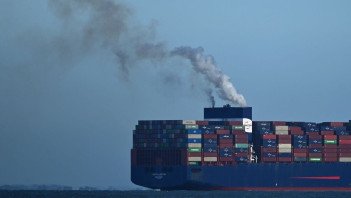
Yielding to intense diplomatic and economic pressure from the United States, the Group of Seven (G7) industrialized powers have reached a consensus to release 100 million barrels of crude oil and refined diesel from their strategic petroleum reserves into the international market. The joint intervention, coordinated in lockstep with the International Energy Agency (IEA), is calibrated to ease escalating fuel prices, secure cross-border supply chains, and tame global energy inflation ahead of high-stakes political deadlines. Alongside the multi-nation strategic stock release, all G7 member states—the United States, Canada, the United Kingdom, France, Germany, Italy, and Japan—committed under a binding multilateral pact to refrain from imposing any protectionist export bans or statutory restrictions on fossil energy shipments, ensuring the smooth flow of fuel supplies to import-reliant trading partners.
Record Fuel Costs and Pre-Election Stakes: Why Washington Forced the G7 Reserve Release
The decision comes against the backdrop of soaring domestic retail prices and mounting political pressure on the White House:
Record US Diesel Spikes: Official energy metrics revealed that the average pump price of diesel across the United States stood at $6.37 per gallon on Friday, having recently surged to an all-time peak of $6.52 per gallon on September 22, according to data published by the American Automobile Association (AAA).
Midterm Election Imperative: United States President Donald Trump pressed for immediate intervention to cool down rising motor fuel costs, aiming to soften the inflationary impact on logistics networks and working households ahead of the crucial November midterm elections.
Coordinated Energy Stabilization: The G7 ministerial declaration stated that the coordinated drawdown was initiated to protect commercial transportation fleets, stabilize wholesale petroleum benchmarks, and prevent panic-driven volatility across global commodity markets.
Transatlantic Leverage: How the Threat of a US Diesel Export Ban Prompted Brussels to Act
The strategic agreement followed intense negotiations between Washington and the European Union:
Ultimatum on Fuel Exports: Seeking to expand global supplies, the Trump administration exerted direct leverage on EU policymakers, urging member states to release emergency diesel stockpiles or face potential restrictions on transatlantic American energy shipments.
Europe’s Import Vulnerability: Following shifts away from Russian energy supplies, European nations have grown dependent on refined American middle distillates, making any potential US export restriction a direct threat to the continent's industrial transport infrastructure.
Commitment to Unrestricted Trade: To resolve the standoff, the final communique explicitly included a reciprocal guarantee ensuring that none of the participating G7 governments will place export restrictions, border tariffs, or quotas on outbound fuel shipments.
Coordinated IEA Framework: 100M Barrel Release Follows Historic Wartime Drawdowns
The joint stock liquidation will proceed under an established multilateral framework:
Multilateral Execution via the IEA: In accordance with previous commitments, the drawdown of 100 million barrels will be conducted through the operational apparatus of the Paris-based International Energy Agency, ensuring that each member economy contributes its proportional quota to the global pool.
Precedents in Strategic Reserves: While substantial, the 100-million-barrel allocation follows earlier interventions, including the historic IEA-led release of 400 million barrels of crude agreed upon in March following the outbreak of the Iran conflict, which marked the largest emergency reserve liquidation ever authorized.
_1481227231_351x234.jpg)
_2077971310_351x234.jpg)
_777552629_351x234.jpg)
_1878915557_351x234.jpg)
_872219433_351x234.jpg)