Exploring Turkey’s Strategic Military Deployments Amid Historical Middle Eastern Rivalries
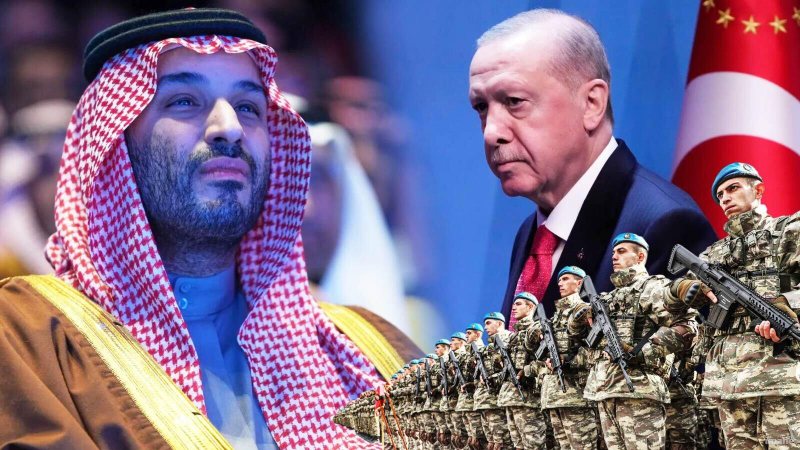
The intricate tapestry of Middle Eastern geopolitics is frequently shaped by deep historical echoes, where centuries-old legacies continue to influence modern diplomatic alliances and military strategies. In recent years, discussions surrounding Turkey's neo-Ottoman foreign policy trajectory and its expanding security footprint across the region have sparked immense global curiosity. Observers frequently reference historical friction points—such as the complex 19th-century conflicts between the Ottoman administration and regional Arabian rulers—to contextualize modern diplomatic friction between Ankara and Gulf powerhouses like Saudi Arabia. Today, as Turkish President Recep Tayyip Erdoğan pursues an assertive defense posture characterized by foreign troop deployments and regional base establishments, analysts are closely examining how historical memory and contemporary geopolitical ambitions intersect to reshape the Middle East.
Historical Roots: Unpacking the Complex Past Between Ottoman Rule and Arabian Peninsula Powers
To understand the subtle undertones of contemporary Turkish-Arab relations, historians often look back at the dramatic transitions of the 19th and early 20th centuries, which witnessed the gradual decline and eventual dissolution of the Ottoman Empire. During the era of the First Saudi State, military campaigns led by Ottoman and allied forces in the Arabian Peninsula culminated in high-profile political confrontations, including the capture and execution of regional rulers like Abdullah bin Saud Al Saud in Istanbul. While modern Turkish and Arab leaderships have frequently worked to move past historical grievances—with leaders like Erdoğan dismissing simplistic narratives of historical betrayal—the historical consciousness of these past struggles continues to color popular political discourse and regional perceptions.
Modern Strategic Shifts: Why Turkey is Expanding Its Military Footprint Abroad
In the contemporary era, Ankara has discarded its former foreign policy restraint, opting instead for a proactive military and diplomatic doctrine that projects power far beyond its borders. From establishing permanent military bases in Qatar and Somalia to deploying troops across northern Syria and maintaining a vigilant eye on Mediterranean trade routes, Turkey has positioned itself as an indispensable security player. This doctrine of strategic autonomy and forward defense is designed to protect Turkish economic interests, counter regional adversaries, and project influence across territories historically tethered to the Ottoman sphere, signaling a decisive break from decades of inward-looking secularism.
Navigating Fragile Alliances: Riyadh and Ankara in a Changing Geopolitical Order
Despite historical rivalries and occasional diplomatic friction, both Saudi Arabia and Turkey recognize the urgent necessity of pragmatic cooperation in an increasingly volatile global environment. Regional security challenges, shifting United States commitments in the Middle East, and the imperative to maintain economic stability have encouraged both capitals to pursue diplomatic normalization and trade dialogue. Rather than succumbing to permanent hostility, modern realpolitik forces Riyadh and Ankara to balance their historic memories with shared contemporary interests, creating a complex diplomatic dance where military muscle and economic diplomacy go hand in hand.
The Broader Impact on Regional Stability and Global Power Balances
The resurgence of Turkish military engagement across the Middle East and North Africa marks a fundamental transformation in the global security architecture. As middle powers like Turkey assert independent regional agency, traditional superpower dominance is increasingly challenged by localized coalitions and assertive defense postures. Whether these evolving security arrangements will foster long-term stability or sow the seeds for future strategic competition remains one of the most compelling questions in modern international relations, ensuring that the shadows of history will continue to influence tomorrow's headlines.