China Hits Back at Nvidia Spying Row: ‘US Must Stop Making Up Stories’
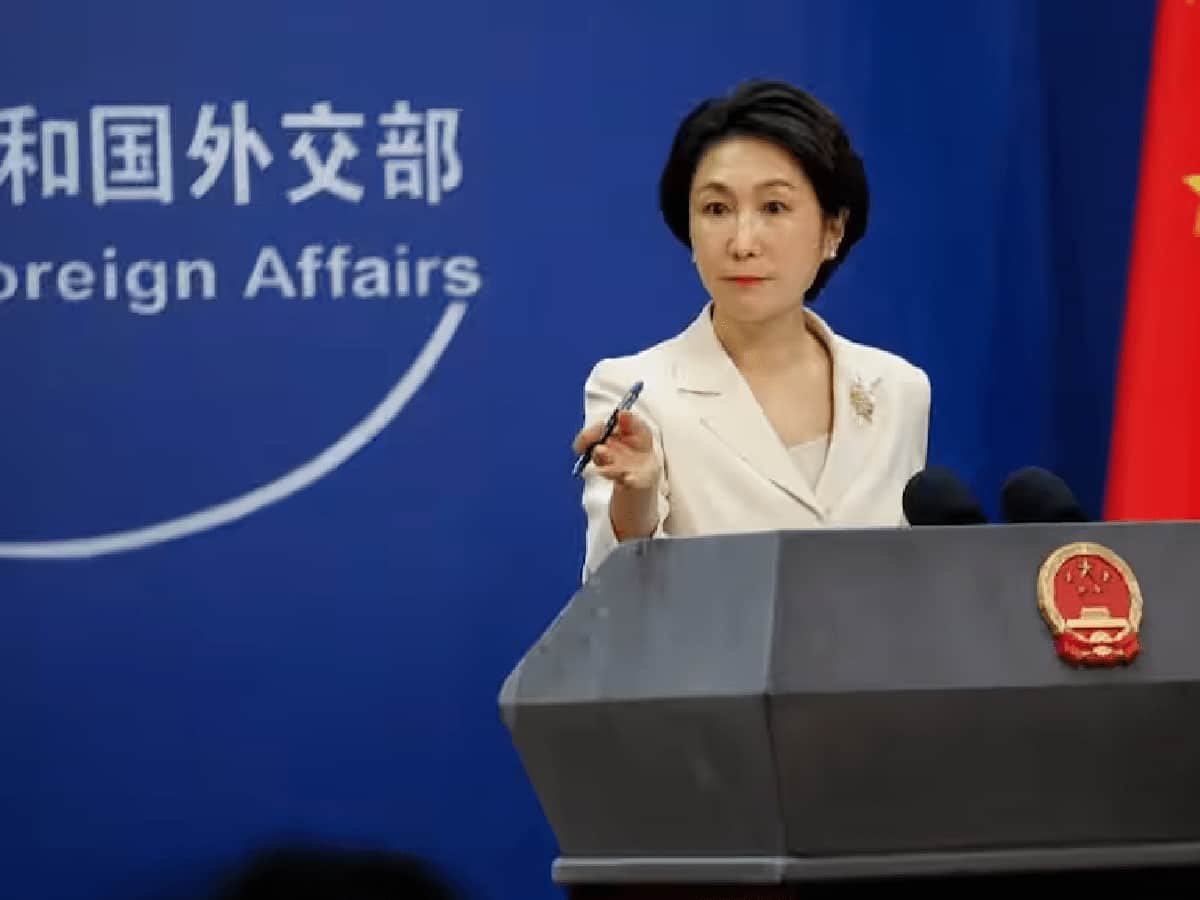
China has issued a sharp diplomatic rebuttal to the espionage allegations surrounding former Nvidia Chief Executive Officer Jensen Huang, accusing Washington of weaponizing unsubstantiated "Chinese spy" narratives to justify sweeping technology restrictions and semiconductor export blockades. Addressing reporters at a regular press briefing in Beijing on Thursday, November 12, 2026, Chinese Foreign Ministry spokesperson Mao Ning declared that China’s advancements in science and artificial intelligence are driven by homegrown innovation and open international collaboration—not illicit intelligence gathering.
"China’s scientific and technological progress is the result of independent innovation and open cooperation," Mao Ning stated, urging Washington to abandon manufactured security pretexts. "The US side should stop fabricating the so-called ‘Chinese spy’ narrative as a pretext for imposing technology restrictions." As shockwaves from Huang’s abrupt resignation continue to ripple across global equity markets and technology hubs from Silicon Valley to India’s major AI and engineering corridors in Bengaluru, Hyderabad, Pune, Gurugram, Mumbai, New Delhi, and Lucknow, Beijing’s pushback underscores the high geopolitical stakes ahead of next week’s expected summit between Chinese President Xi Jinping and US President Donald Trump on the sidelines of the APEC gathering in Shenzhen.
Beijing Calls Allegations ‘Baseless Smear’ While Declining Comment on Alice Huang
Mao Ning’s remarks reinforced earlier pushback from Foreign Ministry spokesperson Guo Jiakun, who dismissed the espionage claims on November 10 as "purely unsubstantiated and directed at smearing China." When pressed by journalists during Thursday’s briefing regarding media reports suggesting that Alice Huang (also known as Huang Le)—the former Singapore-based Megaspeed executive at the center of the controversy—is currently residing in Beijing with the knowledge of Chinese security authorities, Mao declined to confirm the claim, saying simply, "I am not aware of the situation you mentioned."
At the same time, Beijing signaled a desire to insulate upcoming high-level diplomacy from the fallout in Santa Clara. Mao noted that China and the United States remain in close communication regarding interactions between their two heads of state, adding that Beijing stands ready to work with Washington to implement the consensus reached by both presidents on the basis of mutual respect, fairness, and reciprocity.
What Triggered the Nvidia Crisis and Jensen Huang’s Resignation?
The geopolitical row stems from a rapid cascade of revelations that brought down Jensen Huang’s 33-year reign at Nvidia on Thursday, November 12. The crisis began after US media reports revealed that American counterintelligence officials suspected Alice Huang—a Chinese businesswoman linked to cloud computing firm Megaspeed, which had previously drawn US scrutiny over whether restricted Nvidia AI chips were diverted to China—of cultivating a close personal relationship with Jensen Huang to gather sensitive information for Beijing.
Following those disclosures, Nvidia’s board of directors retained outside legal counsel to launch an independent investigation into whether its co-founder had been targeted by a foreign intelligence operation. In an internal email to staff, Huang admitted to having an extramarital affair while denying any compromise of company secrets or national security. However, the scandal escalated decisively when reports surfaced of a second workplace relationship involving Nvidia Vice President of Healthcare Kimberly Powell, followed by a Reuters report alleging a third affair with another unnamed female Nvidia employee.
Market Fallout, Senate Summons, and Interim Leadership Under Colette Kress
Facing mounting governance pressure, congressional summonses to testify before the US Senate regarding his ties to Alice Huang and chip export compliance, and a sharp sell-off in Nvidia stock, Jensen Huang resigned effective immediately as president, CEO, and director. Nvidia’s board appointed longtime CFO Colette Kress as Interim CEO and named veteran director Harvey C. Jones as its first-ever independent Board Chair. Meanwhile, Beijing’s forceful rejection of the espionage narrative signals that semiconductor access and AI governance will remain among the most contentious flashpoints between the world’s two largest economies.