










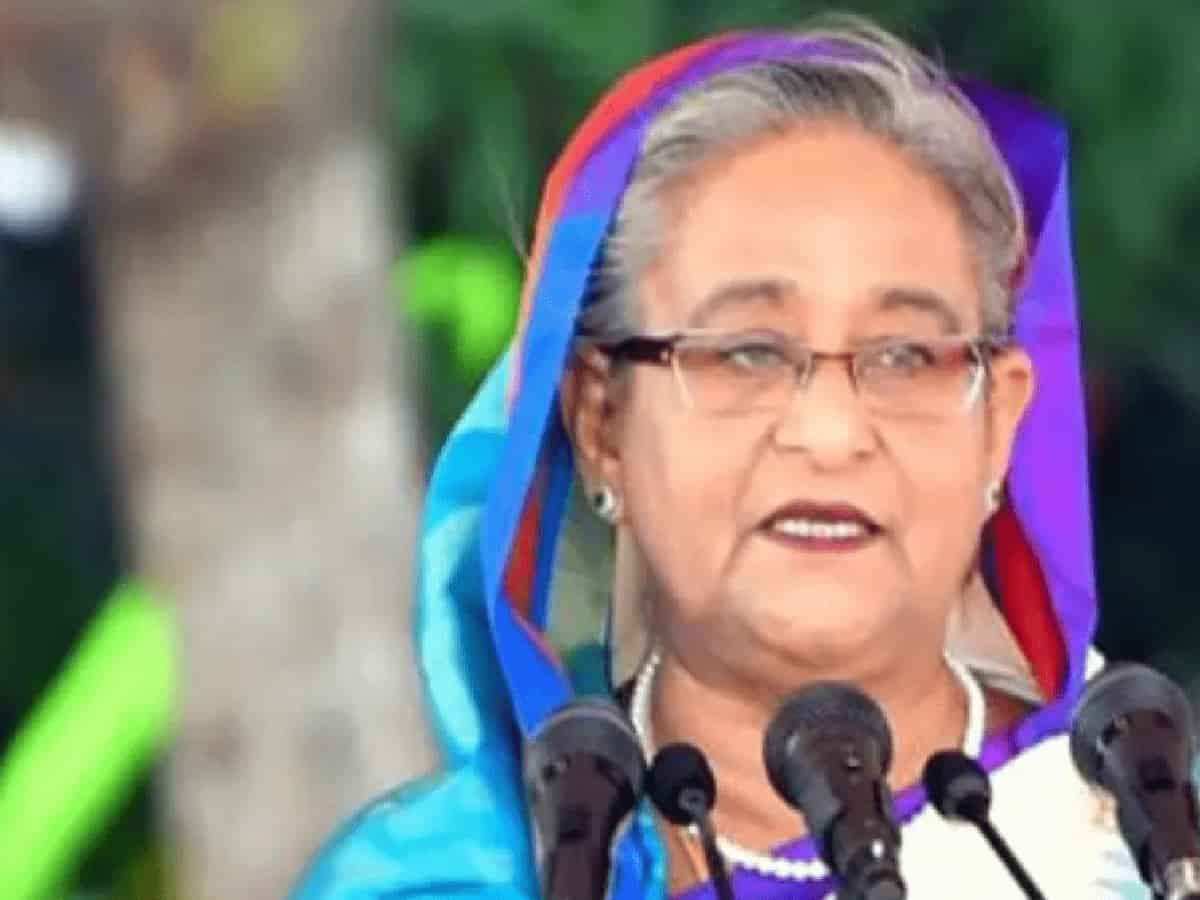
Bangladesh Speaker Threatens ICJ Move Over Hasina During Pakistan Trip
Diplomatic tensions across South Asia sharpened sharply this week after Bangladesh Parliament Speaker Hafiz Uddin Ahmed—currently in Islamabad on a six-day official visit to Pakistan, the first by a sitting Speaker of Bangladesh's legislature—warned that Dhaka could move the International Court of Justice (ICJ) if India does not hand over deposed prime minister Sheikh Hasina. Speaking to journalists in Islamabad in comments reported by BBC Urdu on Thursday, November 26, 2026, Ahmed asserted that the 79-year-old Awami League leader—who has resided in India since fleeing Dhaka during the August 2024 student-led uprising—would go "straight to jail" the moment she steps back onto Bangladeshi soil. Alongside the extradition warning, Ahmed dismissed reports of Hasina's proposed December 16 Victory Day homecoming as hollow morale-boosting for her party workers, claiming she will not return to Bangladesh for at least the next 10 years. Even more controversially, the Bangladeshi Speaker used his platform in Pakistan to allege that Bangladesh had turned into a virtual "colony" of its neighbor over the past 15 years, claim that India "did not help the Bengalis" during the 1971 Liberation War but merely sought to weaken Pakistan, and call for resolving the Kashmir dispute under United Nations resolutions. Across Uttar Pradesh—especially in state capital Lucknow and neighboring academic and political hubs such as Unnao, Kanpur, Prayagraj, and Varanasi, where readers closely follow India's eastern neighborhood security, cross-border trade, and regional diplomacy—Ahmed's remarks in Islamabad drew intense scrutiny for blending bilateral legal disputes with overt alignment toward Pakistan's historical and geopolitical talking points.
Key Flashpoints From Speaker Hafiz Uddin Ahmed's Islamabad Remarks
| Issue / Flashpoint | Hafiz Uddin Ahmed's Statements in Pakistan | Current Diplomatic & Legal Context |
| Sheikh Hasina Extradition & ICJ Threat | Warned Bangladesh may approach the International Court of Justice (ICJ) if India refuses to extradite Hasina, stating she will go straight to jail upon return. | India has confirmed receiving Dhaka's diplomatic request and maintains it is being examined under established legal and treaty procedures. |
| December 16 Homecoming Claims | Dismissed Hasina's reported December 16 return plan as a morale tactic for supporters, predicting she will not return for 10 years. | Hasina's spokesperson Syed Mozammel Ali stated she intends to return on December 16 (Bangladesh's Victory Day); Hasina faces an in-absentia death sentence from a special tribunal. |
| 1971 War & 'Colony' Allegation | Alleged Bangladesh became a "colony" of a neighboring country over the past 15 years and claimed India did not help Bengalis in 1971 but acted to weaken Pakistan. | Ahmed is a Pakistan Military Academy graduate who later rebelled and fought in the 1971 Liberation War. |
| Kashmir & Dhaka–Islamabad Ties | Called for settling the Kashmir issue under UN resolutions and praised Pakistan's backing of Bangladesh at the Inter-Parliamentary Union (IPU). | Held high-level meetings in Islamabad with Pakistan President Asif Ali Zardari and Prime Minister Shehbaz Sharif. |
Extradition Deadlock, the ICJ Warning, and Hasina's December 16 Return Debate
While Hafiz Uddin Ahmed floated the possibility of dragging New Delhi before the International Court of Justice in The Hague if India declines to extradite Sheikh Hasina, he did not spell out the specific jurisdictional or treaty basis on which Dhaka would invoke ICJ adjudication. New Delhi, for its part, has repeatedly acknowledged receiving Dhaka's extradition correspondence through diplomatic channels while maintaining that any request must undergo thorough legal and procedural scrutiny by competent authorities. Back in Dhaka, Bangladesh's State Minister for Foreign Affairs Humaiun Kobir also attacked Hasina on Thursday, calling her a "terrorist" and describing her presence in India as a major irritant in bilateral ties. Meanwhile, Hasina's spokesperson Syed Mozammel Ali maintained that the former prime minister plans to return home on December 16—the anniversary of Pakistan's 1971 surrender—even as a special tribunal in Bangladesh has sentenced her to death in absentia over the deadly 2024 crackdown on protesters, a trial Hasina has rejected as politically motivated.
Controversial Remarks on 1971 Liberation War and Kashmir Raise Eyebrows
What made Hafiz Uddin Ahmed's comments particularly striking to diplomatic observers was his own personal history: a graduate of the Pakistan Military Academy who also captained Pakistan's national football team in 1968 before defecting from the Pakistan Army to fight for Bangladesh's independence in 1971, Ahmed was honored for wartime bravery in Dhaka. Yet standing inside Pakistan's Parliament House complex during meetings with President Asif Ali Zardari and Prime Minister Shehbaz Sharif, he asserted that New Delhi had merely sought to weaken Pakistan in 1971 rather than assist Bengalis, accused the previous 15-year era of reducing Bangladesh to a neighboring country's "colony", and endorsed Islamabad's long-standing rhetoric on Kashmir. Analysts in New Delhi note that pairing an unsubstantiated ICJ threat with revisionist statements on 1971 and Kashmir risks complicating diplomatic engagement between India and Bangladesh at a sensitive juncture for regional stability.






