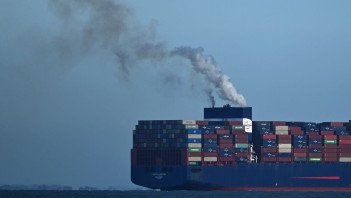
3 Oil Tankers Catch Fire in Strait of Hormuz After Blasting Naval Mines
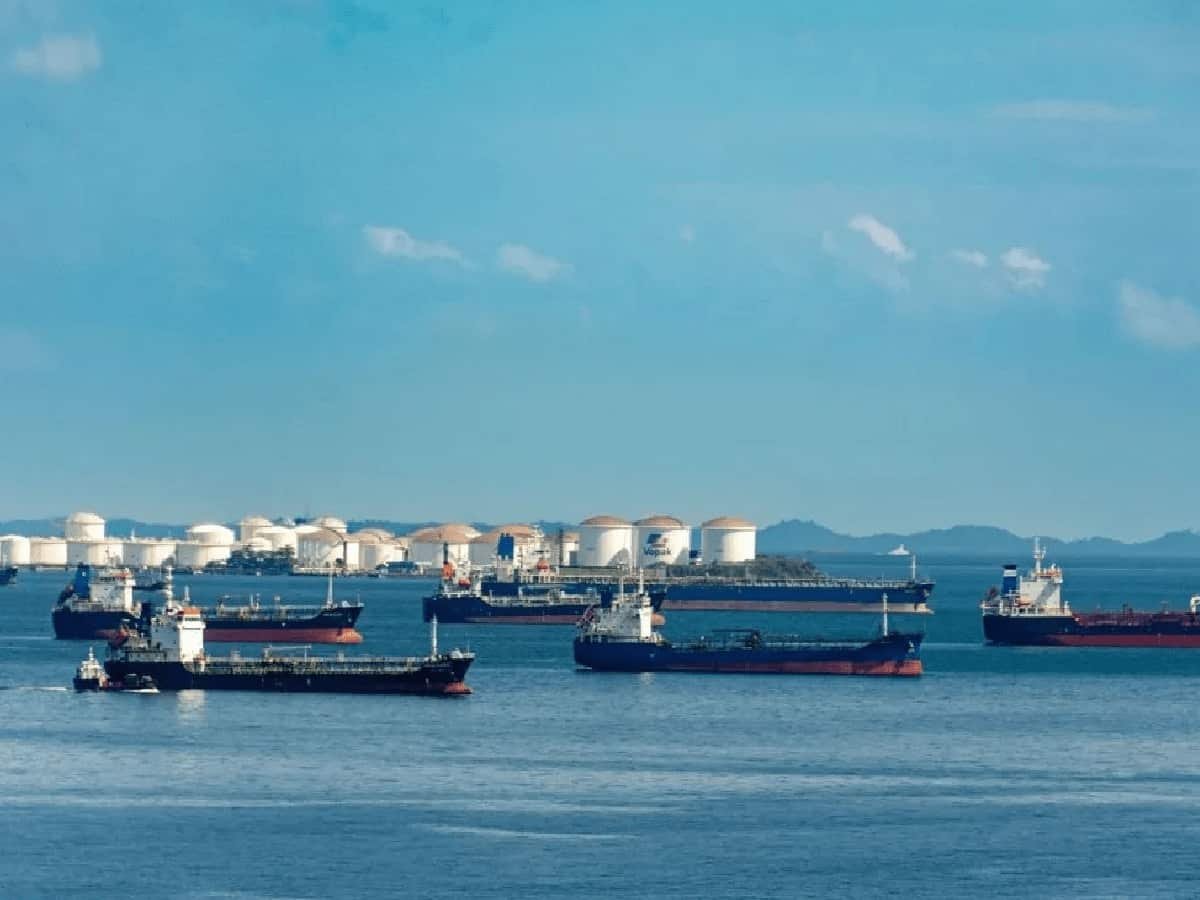
Geopolitical tensions in West Asia reached a dangerous new flashpoint on Saturday, November 15, 2026, as military authorities in Iran announced that three separate oil tankers caught fire after striking naval mines in and around the strategically vital Strait of Hormuz. The dramatic incidents have sent shockwaves through global energy markets, raising immediate concerns over the safety of international maritime trade lanes and crude oil transit through one of the world's most critical shipping bottlenecks.
According to official statements released by the Islamic Revolutionary Guard Corps (IRGC) Navy and the regular Armed Forces' Navy, the vessels were allegedly operating in restricted zones with their tracking transponders disabled when the explosions occurred. The developments underscore an escalating maritime standoff involving Iran, the United States, and regional actors.
IRGC Navy Alleges Unauthorized Passage and Stealth Navigation
The initial wave of explosions occurred when two oil tankers attempted to navigate the narrow waters of the Strait of Hormuz without official authorization. According to reports carried by state-run Islamic Republic of Iran Broadcasting (IRIB), the IRGC Navy stated that the offending vessels were transiting stealthily with their navigation and Automatic Identification Systems (AIS) switched off in an effort to evade detection.
"An hour ago, two offending oil tankers, which were secretly attempting to transit the unauthorised Strait of Hormuz with their navigation and automatic identification systems turned off, exploded and caught fire after hitting naval mines," the official IRGC statement declared.
Iranian military officials further claimed that at least two additional tankers, observing the unfolding disaster after receiving warnings from the IRGC’s Naval Traffic Control Centre, managed to reverse course and retreat from the area before meeting a similar fate.
Third Incident Reported East of the Strait
Compounding the crisis, a separate statement issued by the Public Relations Department of the Iranian Armed Forces' Navy confirmed a parallel incident involving a third oil tanker operating east of the Strait of Hormuz.
According to military authorities, this vessel was operating within an area explicitly designated as an unsafe and prohibited maritime zone. The tanker allegedly ignored repeated warnings from naval patrols and similarly deactivated its tracking and identification systems.
"This morning, an oil tanker that had been operating in the unsafe and prohibited area east of the Strait of Hormuz, ignoring previous warnings and turning off its tracking and identification systems, caught fire and stopped after hitting a naval mine," the naval statement reported.
Direct Warnings Issued to Tanker Operators and International Shipping
Following the explosions, the Iranian military issued a stern, uncompromising warning to global shipping companies, tanker owners, and international commercial operators planning to traverse the region. Authorities cautioned that any vessel entering the declared restricted zones would face catastrophic consequences.
"Without a doubt, any offending tanker that travels in the restricted area east of the Strait of Hormuz will be set on fire by hitting naval mines," the military warned.
Furthermore, Iranian officials directed sharp rhetoric toward commercial vessel owners, accusing them of gambling with multi-million-dollar maritime assets by ignoring security risks. The statement criticized operators for relying on external geopolitical assurances, stating: "It is unfortunate that tanker owners, without learning from the fate of other offending vessels, trusting the nonsense of the criminal US president, are sending their capital into the mine war and throwing it into the fire."
Global Energy Implications and Regional Flashpoint
The Strait of Hormuz represents the world's most critical oil transit chokepoint, through which a massive percentage of globally traded petroleum passes daily from Middle Eastern producers to international markets. Any sustained disruption, military confrontation, or mining activity in these waters threatens immediate spikes in global crude prices and severe supply chain shocks.
While Iranian military authorities have strongly asserted that the tankers struck naval mines after violating restricted navigation zones, independent international verification of the blasts, exact vessel identities, and the extent of environmental or structural damage remained limited at the time of reporting. As maritime regulators and intelligence agencies monitor the unfolding situation, commercial shipping lines are expected to drastically re-evaluate transit safety protocols across the Persian Gulf and the Gulf of Oman.