Visa Hurdles Derail Bangladeshi Tour to Kushinagar
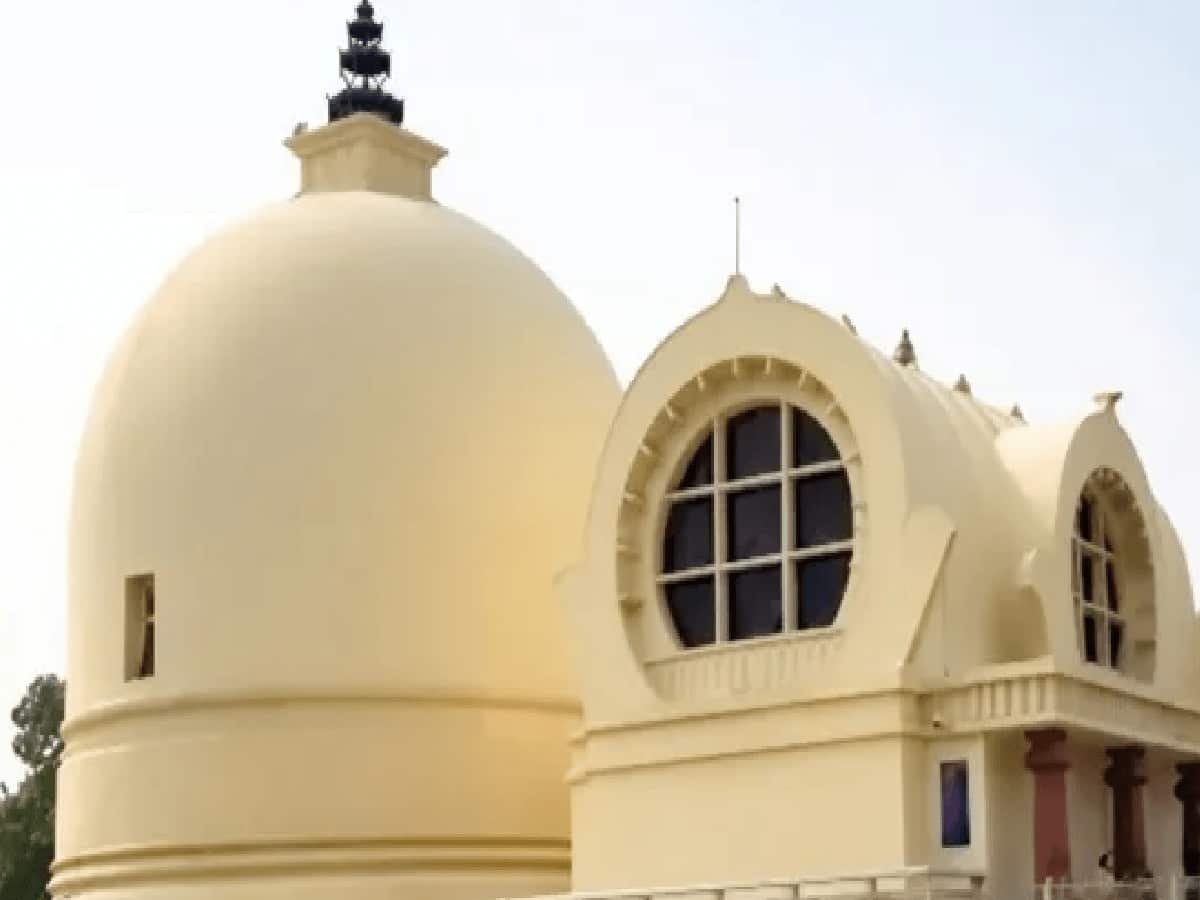
Kushinagar, the sacred international epicenter of Buddhist pilgrimage where Lord Buddha attained Mahaparinirvana, has suffered a notable setback. Hopes for a robust revival of international religious travel took a hit after a large delegation of 130 Bangladeshi tourists was forced to officially postpone their eagerly anticipated pilgrimage, scheduled for November 27, 2026, due to unresolved visa complications.
The group had finalized extensive travel itineraries, including accommodations at the prominent Birla Dharamshala in Kushinagar. However, administrative hurdles surrounding visa categories have thrown travel plans into disarray, highlighting the fragile nature of cross-border religious tourism between India and Bangladesh.
The Root of the Crisis: Visa Categories and Financial Barriers
According to tour organizers, the primary roadblock centers on the availability and classification of visas. Udayan Barua, Managing Director of Shibli Tirtha Taranga, based in Chittagong, Bangladesh, explained in a telephonic conversation that the pilgrimage had to be shelved because specialized religious visas were not readily accessible. Instead, applicants were faced with standard tourist visas, which current travelers find financially burdensome and restrictive for large-scale group pilgrimages.
Bilateral travel has faced intermittent disruptions over recent years. Following the political upheaval in Bangladesh in August 2024, Indian authorities severely restricted consular visa services. Although standard tourist visa applications officially resumed processing in June 2026, this incident demonstrates that practical, on-the-ground complications continue to hinder seamless travel implementation for religious groups.
Economic Ripple Effects on Local Kushinagar Businesses
The postponement is more than just a missed cultural exchange; it represents a tangible economic blow to Kushinagar’s local hospitality and tourism ecosystem.
For a town deeply reliant on international pilgrim footfall, the simultaneous arrival of 130 tourists serves as a vital economic lifeline. The cancellation has immediately impacted:
Hospitality and Accommodation: Hotels, guesthouses, and dharamshalas—such as Birla Dharamshala, whose manager Virendra Tiwari confirmed direct business losses—miss out on significant group booking revenues during peak November tourism windows.
Local Transport and Guides: Auto-rickshaw drivers, taxi operators, licensed tourist guides, and local transport agencies lose critical seasonal income.
Catering and Handicrafts: Local restaurants, food vendors, souvenir shops, and artisans dependent on pilgrim patronage experience a sharp dip in projected earnings.
The Vital Role of Bangladeshi Tourists in India's Tourism Market
Bangladesh has historically constituted one of the largest sources of international visitors to India, encompassing medical tourists, leisure travelers, and spiritual pilgrims. Government and tourism statistics underscore this deep connection: in 2023, approximately 2.12 million visitors crossed over from Bangladesh, and subsequent years continued to reflect high travel volumes despite regional diplomatic shifts.
For Buddhist-majority populations across South and Southeast Asia, visiting Kushinagar, along with other key sites like Sarnath, Bodh Gaya, and Lumbini, is a profound spiritual journey rooted in deep religious devotion.
Looking Ahead: Rebuilding Cross-Border Pilgrim Corridors
As local stakeholders in Uttar Pradesh continue to push for improved connectivity—highlighted by recent railway initiatives introducing special festival and tourist trains connecting Kushinagar to major economic hubs like Delhi, Mumbai, and Chhapra—streamlining international pilgrim travel remains a vital policy objective.
Tour operators and hospitality leaders in both India and Bangladesh are hopeful that consular authorities will review the specific framework governing religious visas. Resolving these procedural bottlenecks is essential not only for reviving regional economic ties but also for ensuring that devotees eager to pay homage at the final resting place of Lord Buddha can do so without administrative friction.