UP Air Quality: AQI Plummets Across Districts
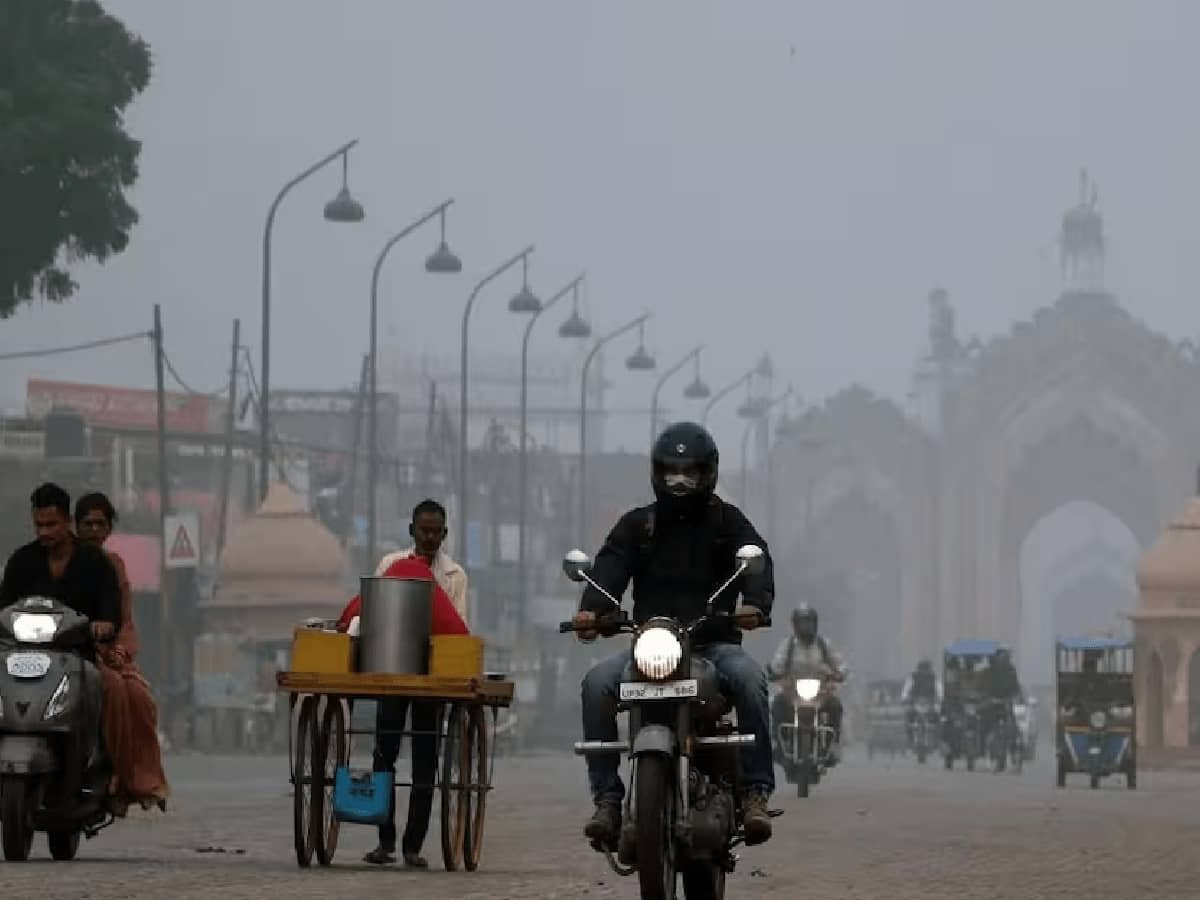
As winter settles over the Indo-Gangetic plain, toxic smog and plummeting atmospheric temperatures have once again triggered an acute air quality crisis across Uttar Pradesh. Data released by the Central Pollution Control Board (CPCB) reveals that air quality in numerous districts remained trapped in the 'poor' to 'very poor' categories, making outdoor movement increasingly difficult for residents and posing severe health risks, particularly for vulnerable demographics.
While a handful of cities registered slight tactical improvements compared to previous days, the overall picture across the state remains alarming. Heavy particulate matter, combined with low wind speeds and seasonal atmospheric inversion, has locked pollutants close to the ground, turning the skies hazy and grey from western UP to the state capital.
Western Districts Bear the Brunt of 'Very Poor' Air Quality
Western Uttar Pradesh recorded some of the most alarming pollution levels in the state. According to the CPCB bulletin, air quality in Moradabad and Muzaffarnagar deteriorated further, plunging deep into the 'very poor' zone. Moradabad's Air Quality Index (AQI) climbed from 294 on Saturday to 323 on Sunday, while Muzaffarnagar witnessed an even sharper rise, surging from 295 to 338. Nearby Gajraula mirrored these distressing trends, hovering at a hazardous AQI of 319.
Other urban and industrial centers across the region experienced fluctuating conditions. While Ghaziabad saw an improvement with its AQI dropping to 243 from the previous day's 333, and Meerut recorded a drop from 367 down to 217, the air remained thoroughly unbreathable. Similarly, Greater Noida (225), Noida (265), Baghpat (235), and Baraut (214) stayed firmly entrenched in the polluted bracket, signaling that regional emission sources and stubble smoke continue to compound local vehicular and industrial dust.
Lucknow’s Air Quality Remains 'Poor' for the Fourth Consecutive Day
In the state capital, the situation offered little respite. Lucknow recorded an average AQI of 211, marking a slight numerical improvement from Saturday’s reading of 255. However, environmental analysts noted a worrying milestone: this marks the first time this season that the capital has endured four consecutive days of poor air quality, with monitoring stations like Lalbagh touching near-critical thresholds.
Other major cities across central and eastern Uttar Pradesh also faced rising pollution spikes. Kanpur recorded an AQI of 202, while Varanasi jumped to 216, pushing both cities into the 'poor' category. Rae Bareli saw a sharp jump from 154 to 225, whereas Prayagraj (141), Gorakhpur (112), and Agra (132) maintained moderate to borderline poor readings. On the other end of the spectrum, cities like Mathura (124), Firozabad (93), and Jhansi (90) managed to record satisfactory or moderate air quality, offering a brief window of clean air.
Understanding CPCB AQI Categories and Health Implications
To put the current environmental crisis into perspective, the CPCB classifies AQI metrics into distinct health bands:
0–50 (Good): Minimal impact on health.
51–100 (Satisfactory): Minor breathing discomfort to sensitive individuals.
101–200 (Moderate): Breathing discomfort to people with lungs, asthma, and heart diseases.
201–300 (Poor): Breathing discomfort to most people on prolonged exposure.
301–400 (Very Poor): Respiratory illness on prolonged exposure, affecting even healthy individuals.
401–500 (Severe): Affects healthy people and seriously impacts those with existing conditions.
Health experts strongly advise residents in affected districts—particularly children, the elderly, and individuals with pre-existing respiratory or cardiovascular ailments—to avoid early morning and late evening outdoor exertion. Wearing certified protective respirators and utilizing indoor air purifiers where possible remain vital steps to mitigate the health hazards posed by this persistent winter pollution spell.