Prayagraj Metro Project: 28 Hectares for Jhunsi & Chheoki Workshops
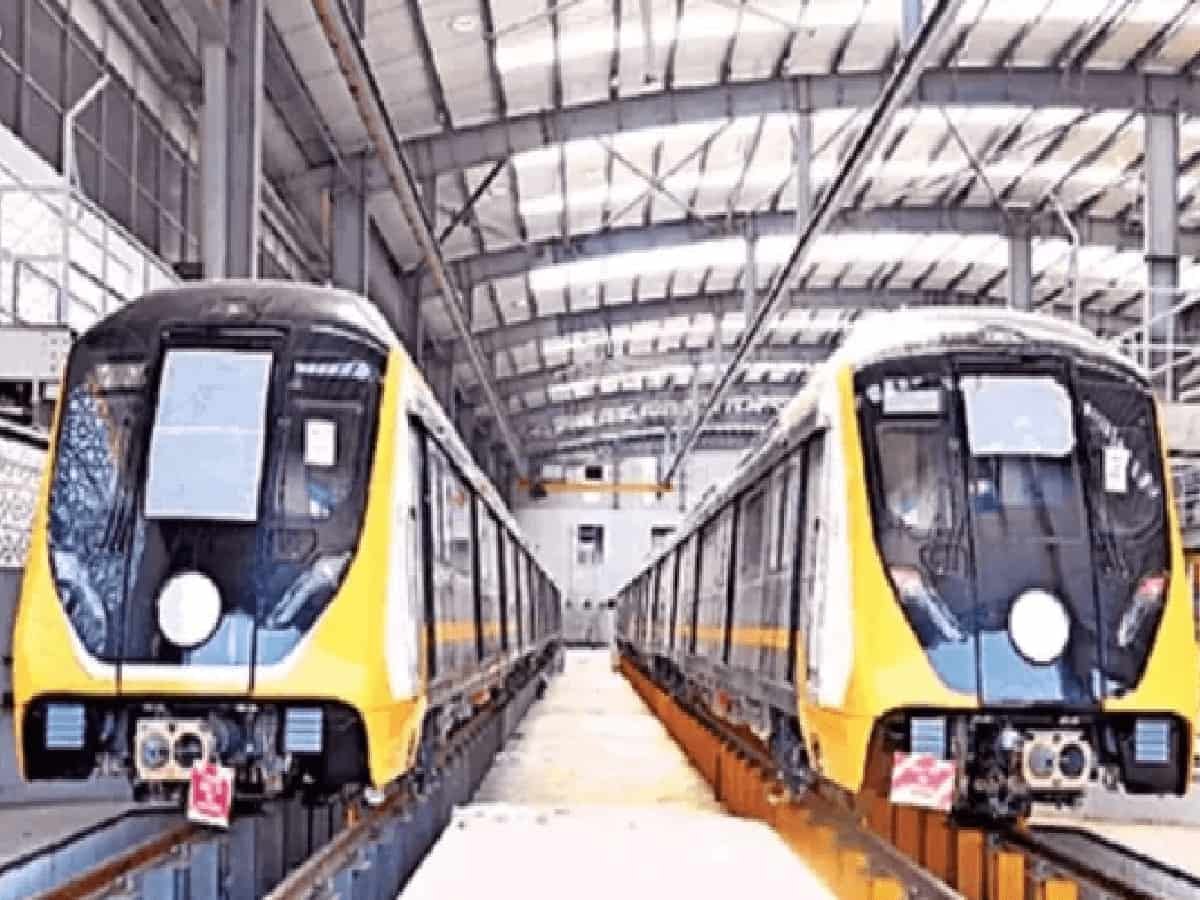
The administrative momentum behind the much-anticipated Prayagraj Metro project has reached a crucial operational milestone. As urban planners and transit authorities finalize infrastructural layouts for the holy city, concrete steps are being taken to establish maintenance and repair hubs. To ensure the seamless upkeep of rakes and technical infrastructure, authorities have earmarked a total of 28 hectares of land divided equally across Jhunsi and Chheoki for state-of-the-art metro workshops.
With the detailed project report taking shape and alignment routes firmly established, the grand vision of bringing rapid, modern mass transit to Prayagraj is steadily transitioning from blueprint to reality.
Securing Land: PDA Coordinates With District Administration and Army
Building a modern metro network in a densely populated and historically significant city requires meticulous spatial planning. According to officials from the Prayagraj Development Authority (PDA), the logistics for the rolling stock maintenance facilities require two strategically positioned depots to handle different corridors of the city.
Workshops spanning 14 hectares each will be constructed at two separate terminal zones:
Jhunsi Hub: Located in Khanupur, Jhunsi, this facility will service the eastern corridor of the metro network.
Chheoki Hub: Situated on land currently under the administration of the Indian Army in Chheoki, this southern depot will cater to the trans-Yamuna sector and allied routes.
To facilitate the acquisition of the required 14 hectares of defense land in Chheoki, the PDA has formally written to the district administration, initiating the administrative process for land transfer and exchange mechanisms with the military authorities. Once finalized, civil construction for the workshops is slated to break ground in the coming months.
Mapping the 70-Kilometer Network: Corridors and Stations
The Prayagraj Metro system has been designed to provide comprehensive connectivity across the city's major commercial, residential, and transit nodes. Spanning a total network length of approximately 70 kilometers, the infrastructure project is projected to cost upwards of ₹12,000 crore.
The light metro network will operate along two primary trunk routes:
Corridor 1 (Bamrauli to City Lake Jhunsi): Connecting western suburban residential pockets through central transit hubs toward Jhunsi, featuring 20 stations in its initial phase.
Corridor 2 (Shantipuram to Chheoki): Spanning from the northern hub of Shantipuram down to Chheoki, incorporating 19 stations along its alignment.
The central nerve center uniting these two massive corridors will be established at the Parade Ground, which will serve as the primary interchange and main station connecting the network. To accommodate commuter volumes efficiently during peak hours and major religious congregations like the Mahakumbh, the metro trains will initially operate with configurations of three modern coaches.
Modernizing Public Transit in a Historic Smart City
As Prayagraj continues its rapid evolution under modern smart city frameworks, traffic congestion and urban mobility have emerged as critical challenges. The introduction of a dedicated light metro system is expected to drastically reduce road traffic, curb vehicular emissions, and provide comfortable, air-conditioned transit for lakhs of daily commuters.
With the workshop land acquisition process underway, engineering teams preparing ground surveys, and administrative clearances moving forward, the Prayagraj Metro stands poised to redefine urban travel across the Sangam city for decades to come.