Priyanka Tiwari
 Share
Share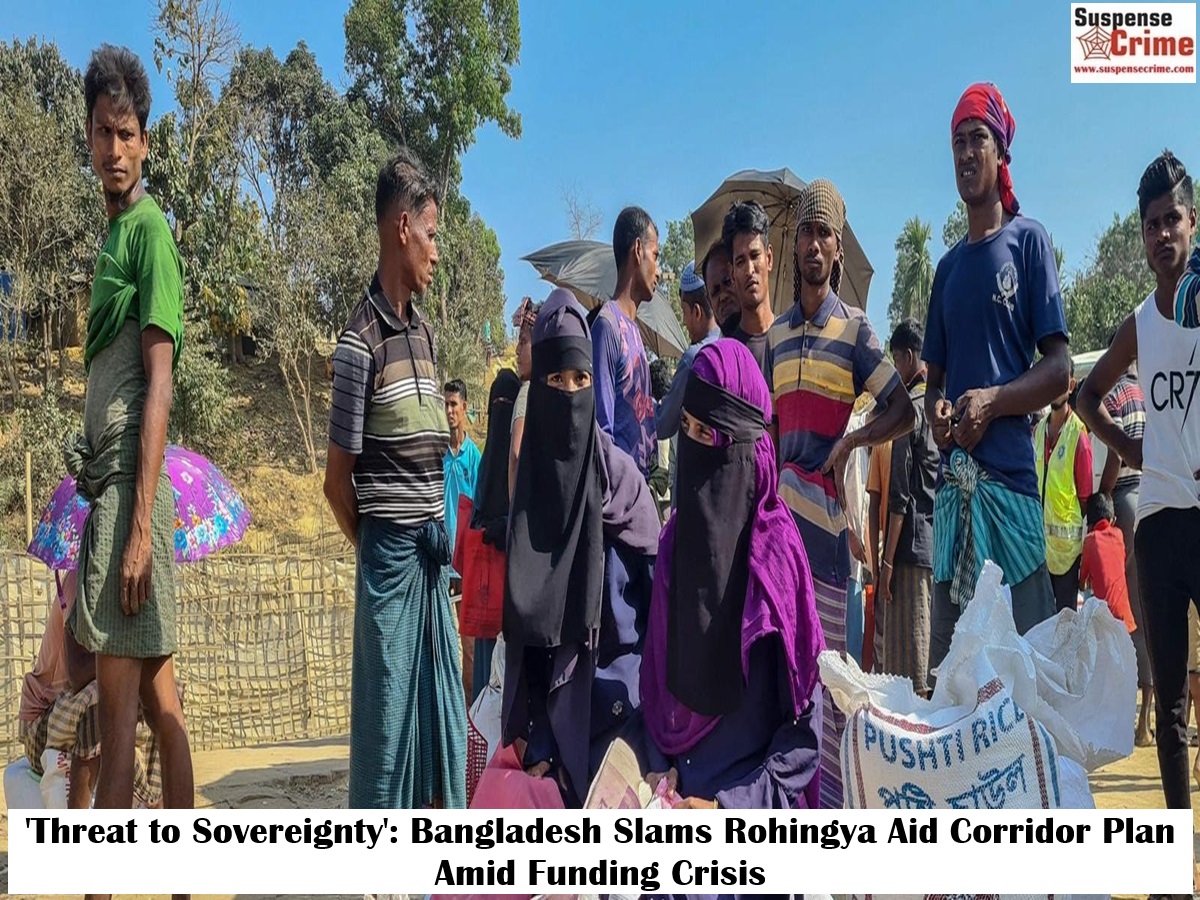
Suspense crime, Digital Desk : Bangladesh's top military and political figures are forcefully rejecting a proposed "humanitarian corridor" through their country to aid Rohingya in Myanmar, viewing the plan as a threat to national sovereignty and an attempt to make the refugee crisis a permanent Bangladeshi burden.
The pushback is coming from both the nation's powerful Army Chief, General S M Shafiuddin Ahmed, and the main opposition party, the Bangladesh Nationalist Party (BNP). They argue that creating an aid route through Bangladesh to Myanmar's Rakhine State would undermine efforts to repatriate the nearly one million Rohingya refugees currently living in sprawling camps within Bangladesh. Their fear is that the corridor would effectively turn Bangladesh into a permanent transit hub for the Rohingya, solidifying their presence in the country.
While this resistance grows, the nation's interim government leader, Nobel laureate Muhammad Yunus, has remained silent on the corridor issue. Instead, he is sounding the alarm on a more immediate crisis: severe funding cuts from international aid agencies.
Yunus has publicly highlighted the drastic reduction in support from organizations like the World Food Programme (WFP), which has slashed food aid for refugees due to a global shortfall in donations. He is concerned that as international attention wanes, the burden of caring for the massive refugee population is falling more heavily on Bangladesh.
This creates a tense dilemma for the nation. It is being asked to facilitate a new international aid strategy for Rohingya in Myanmar while simultaneously grappling with dwindling resources to support the huge number of refugees it has hosted for years. The leadership's unified opposition to the corridor signals a clear message: Bangladesh will not accept a solution that it believes entrenches the crisis within its own borders.
Read More: High-Stakes Drama at Sea Pakistani Oil Tanker Shalamar Defies US Blockade in Strait of Hormuz
_891152136_100x75.jpg)
_934999377_100x75.jpg)
_297632329_100x75.jpg)
_1971369341_100x75.jpg)