









Why Lord Brahma Is Not Worshipped: Mystery of Pushkar Temple Explained
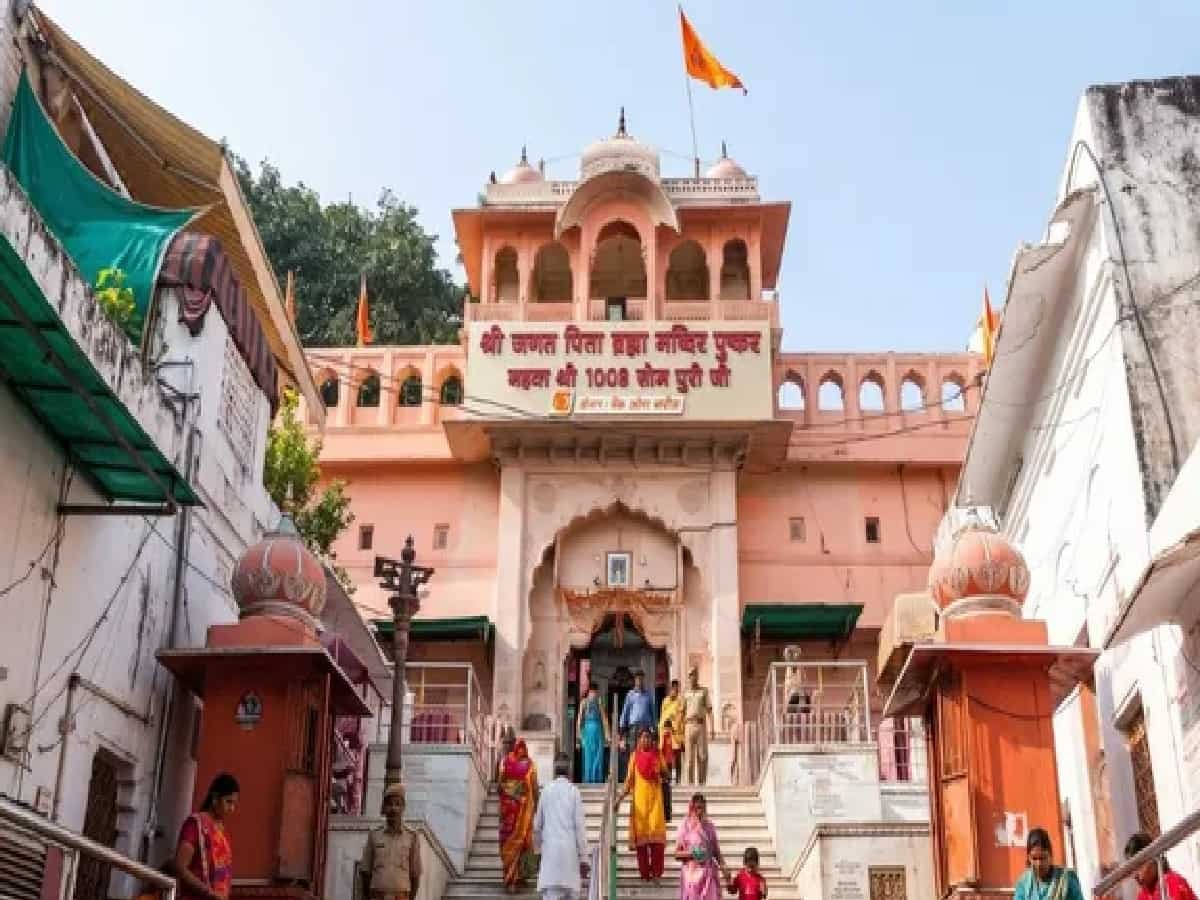
Across India's vast spiritual landscape—home to millions of shrines dedicated to Lord Shiva, Lord Vishnu, Goddess Durga, Lord Ganesha, and Lord Hanuman—one enduring question fascinates pilgrims and curious travelers alike: why does Lord Brahma, revered in Sanatana Dharma as the Creator of the Universe and a foundational pillar of the Holy Trinity (Trimurti) alongside Vishnu the Preserver and Shiva the Destroyer, have almost no temples dedicated to His worship? Shared across cultural and religious desks on Sunday, November 22, 2026—right as hundreds of thousands of devotees converge on Pushkar in Rajasthan's Ajmer district for the final stretch of the Pushkar Fair (November 17–24, 2026) culminating on Kartik Purnima (Tuesday, November 24)—the answer lies in a dramatic mythological episode preserved in the Padma Purana surrounding the sacred Jagatpita Brahma Mandir in Pushkar. According to ancient Puranic lore, a ruthless demon named Vajranabha once terrorized sages and mortals across the earth until Lord Brahma struck him down using His divine lotus weapon. As petals from that sacred lotus drifted down to earth, three holy lakes materialized—the largest and most sacred among them becoming Pushkar Sarovar. Determined to purify the land completely, Brahma organized a grand Mahayajna (sacred fire sacrifice) along the banks of Pushkar Lake during the auspicious Kartik lunar window. Vedic scriptures stipulate that a householder's yajna is incomplete without his consort seated beside him; however, when the auspicious muhurat arrived and Brahma's consort Goddess Savitri was delayed, Brahma wedded Gayatri so the sacred ritual could proceed on time. Upon arriving and seeing another consort seated at the sacrificial altar, an enraged Goddess Savitri pronounced a solemn curse that Lord Brahma would never be worshipped anywhere on earth—before softening her decree out of compassion to allow His worship exclusively at Pushkar, the sacred site of the yajna, while she herself took abode atop nearby Ratnagiri Hill overlooking the town. Today, even though a handful of regional shrines exist across India, the 14th-century red-spired Brahma Temple in Pushkar—adorned with Brahma's swan (Hamsa) emblem and silver-coin-studded marble floors—remains globally revered as the foremost living sanctuary of Lord Brahma, drawing pilgrims and tourists from Jaipur, Ajmer, New Delhi, Unnao, Lucknow, Kanpur, and worldwide throughout October to March and especially during Pushkar Mela 2026.
Lord Brahma Temple in Pushkar (Rajasthan): Mythological Curse & Pushkar Fair 2026 Guide
To bring together the verified Puranic sequence behind Goddess Savitri's curse, the architectural and spiritual significance of Pushkar's Jagatpita Brahma Mandir, and key visitor details for Pushkar Fair 2026 (November 17–24) ahead of Kartik Purnima, the tables below summarize the essential facts:
Step-by-Step Padma Purana Legend Behind Pushkar's Brahma Temple
| Mythological Stage | Key Figures & Sacred Sites | Scriptural Meaning & Impact |
| 1. Slaying of Demon Vajranabha | Lord Brahma & demon Vajranabha | Brahma defeated Vajranabha using His divine lotus; where its petals struck the earth, three sacred lakes formed, creating Pushkar Sarovar. |
| 2. The Sacred Yajna at Pushkar Lake | Lord Brahma & Vedic sages (Kartik Shukla Ekadashi to Kartik Purnima) | Brahma convened a grand Mahayajna on Pushkar's banks to sanctify the earth—establishing the five-day Pushkar Snan tradition. |
| 3. Savitri's Delay & Marriage to Gayatri | Goddess Savitri & Goddess Gayatri | Because a consort was mandatory to complete the yajna within the auspicious muhurat and Savitri was delayed, Brahma married Gayatri to proceed with the rite. |
| 4. Goddess Savitri's Curse & Exception | Goddess Savitri (enshrined on Ratnagiri Hill) | Furious at being replaced at the altar, Savitri cursed Brahma never to be worshipped on earth—later relenting to permit worship only at Pushkar, where His famous temple stands. |
Visiting Pushkar Brahma Temple & Pushkar Fair 2026 (Travel & Pilgrimage Guide)
| Travel & Pilgrimage Parameter | Verified Details (Nov 2026) | Practical Tips for Pilgrims & Tourists |
| Location & Temple Architecture | Pushkar, Ajmer District, Rajasthan (~14–15 km from Ajmer Junction; ~30–40 km from Kishangarh Airport). | Recognizable by its distinctive red shikhara (spire), Hamsa (swan) motif, four-headed Brahma idol, and embedded silver coins; strictly vegetarian, alcohol-free holy town. |
| Best Season to Visit | October to March (cool desert weather ideal for temple darshan, ghat aarti, and sightseeing). | Peak spiritual crowd arrives during the Hindu month of Kartik and the annual Pushkar Fair. |
| Pushkar Fair 2026 Schedule | Official Tourism & Cultural Programme: November 17 to November 24, 2026 (livestock trading runs Nov 10–26). | Features camel races, folk dances, Shilpgram crafts, Deepdaan on Nov 23, and the grand Kartik Purnima Mahasnana on Tuesday, November 24, 2026. |
How the Padma Purana Explains Why Brahma Has Only One Major Temple
Within the Hindu Trimurti, devotees actively worship Lord Vishnu and Lord Shiva across thousands of temples nationwide, whereas Lord Brahma remains absent from mainstream temple worship due to Goddess Savitri's curse recorded in the Padma Purana. Although Brahma's sacred yajna at Pushkar Lake succeeded in purifying the land after the defeat of Vajranabha, His decision to wed Gayatri when Savitri arrived late triggered a curse restricting His active temple worship to Pushkar—while Savitri Mata Temple stands watchfully atop Ratnagiri Hill roughly 200 steps above the sacred lake.
Why Pushkar Fair and Kartik Purnima Mark the Peak Time to Visit Pushkar
While Pushkar welcomes visitors throughout the pleasant October-to-March winter window, the sacred month of Kartik—especially during Pushkar Fair 2026 (November 17–24)—transforms the town into a vibrant confluence of devotion and Rajasthani heritage. As pilgrims take a holy dawn dip across Pushkar Lake's 52 ghats on Kartik Purnima (Tuesday, November 24, 2026) and offer prayers at the Jagatpita Brahma Mandir, the ancient legend of Brahma's lotus and Savitri's decree continues to draw seekers from across India and the world.