Why King Dasharatha Performed the Sacred Putrakameshti Yajna on the Banks of the Saryu River
_100191325.jpg)
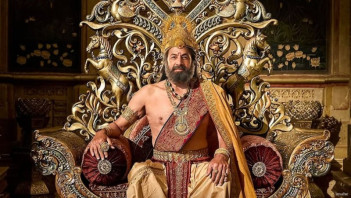
One of the most consequential turning points in the sacred epic Ramayana unfolds in the revered verses of the Bala Kanda, detailing the spiritual circumstances that led to the divine descent of Lord Rama. King Dasharatha, the valiant sovereign of the Ikshvaku dynasty ruling over the glorious kingdom of Ayodhya, commanded vast wealth, military might, and the unyielding loyalty of his subjects, yet his heart remained weighed down by profound sorrow. With no natural heir born to his three queens—Kaushalya, Kaikeyi, and Sumitra—the monarch was deeply troubled by the looming succession crisis and the prospective end of his illustrious ancestral lineage, prompting royal preceptors and council ministers to advise a powerful Vedic intervention to bless the kingdom with noble princes.
The Royal Dilemma in Ayodhya: King Dasharatha's Search for an Heir
The ruler's distress over his kingdom's future set into motion a sacred spiritual pilgrimage:
Sovereignty Without Succession: Despite enjoying unmatched imperial prestige across Bharatvarsha, King Dasharatha faced the painful reality of having no royal descendant to inherit the throne of Ayodhya as he advanced in age.
Counsel of Royal Sages and Preceptors: Distraught over the continuity of the Surya Vansha, the monarch convened an assembly of his most trusted ministers, royal priests, and spiritual guides to seek a scriptural solution.
The Scriptural Prescription: The royal sages unanimously counseled the king to conduct the grand Putrakameshti Yajna (also known as the Putreshti Yagya), a specialized, high-potency Vedic fire sacrifice ordained in ancient scriptures to invoke divine blessings for progeny.
Sacred Confluence at Saryu: The Divine Invocation Led by Sage Rishyashringa
To ensure the demanding rituals were performed with absolute scriptural precision, the king sought the guidance of an ascetic of pure spiritual lineage:
Summoning Sage Rishyashringa: King Dasharatha extended a formal royal invitation to the renowned sage Rishyashringa (Sage Shrungi), widely venerated across the Vedic realm for his unmatched celibacy, profound mastery of sacrificial rites, and rigorous tapasya.
The Banks of Holy Saryu: The elaborate ceremonial grounds and sacred fire altars were consecrated along the serene northern bank of the sacred Saryu River in Ayodhya, providing an environment of absolute spiritual sanctity.
Chanting of Vedic Mantras: Under the strict ritualistic guidance of Sage Rishyashringa and assembled rishis, the sacrificial flames were kindled with pure offerings while potent Vedic hymns invoked the celestial deities.
The Appearance of Agnidev: How Divine Kheer Blessed the Queens with Four Sons
The grand sacrificial ritual culminated in an extraordinary celestial manifestation:
The Manifestation of the Fire God: As the concluding oblations were offered into the consecrated flames, Agnidev (the deity of fire) materialized directly from the sacrificial altar in an awe-inspiring form.
The Golden Vessel of Divine Nectar: Agnidev emerged carrying a radiant golden bowl containing celestial payasam (divine kheer or sweet rice pudding), explicitly instructing the monarch that this sacred offering was charged with divine energy to bestow noble sons upon his queens.
Distribution Among the Queens: King Dasharatha distributed the divine prasadam with love and reverence among his three queens—Queen Kaushalya received a portion, Queen Kaikeyi received hers, and Queen Sumitra was offered the remaining sacred shares.
The Descent of the Four Princes: Imbibing the divine sweetmeat, the three queens conceived, resulting in the birth of Lord Rama to Queen Kaushalya, Prince Bharata to Queen Kaikeyi, and the valiant twins Lakshmana and Shatrughna to Queen Sumitra, permanently ending Ayodhya's succession crisis and heralding the Treta Yuga's golden epoch.
_1048750237_351x234.jpg)