Why Is Dev Deepawali Celebrated 15 Days After Diwali in Kashi
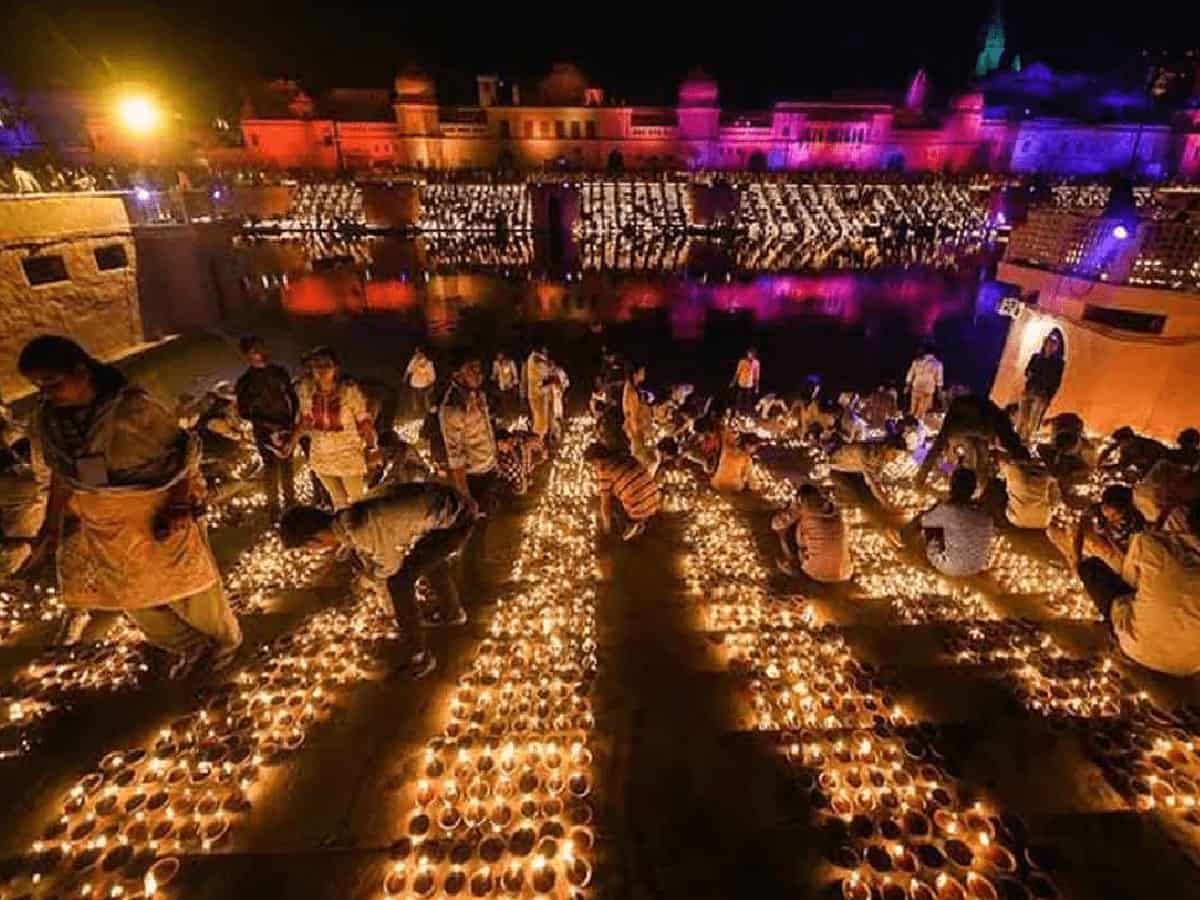
While millions of homes across India light up on the dark new moon night (Amavasya) of the Hindu month of Kartik to celebrate Diwali, the ancient temple city of Kashi (Varanasi) reserves its most breathtaking festival of lights for 15 lunar days later—on the full moon night of Kartik Purnima. Known across the world as Dev Deepawali (the Diwali of the Gods) or Tripurari Purnima, this sacred celebration transforms Varanasi’s crescent-shaped riverfront into a shimmering galaxy of millions of earthen diyas stretching from Assi Ghat and Dashashwamedh Ghat all the way to Rajghat and Namo Ghat.
In 2026, devotees across Varanasi, Prayagraj, Ayodhya, Lucknow, Kanpur, Unnao, and New Delhi will observe Dev Deepawali on Tuesday, November 24. Behind this luminous tradition lies a dramatic Puranic legend of cosmic tyranny, divine rescue, and celestial gratitude centered in Lord Shiva’s eternal city.
The Legend of Tripurasura: How Lord Shiva Became ‘Tripurari’
According to sacred Hindu scriptures—most notably the Rudra Samhita (Yuddha Khanda) of the Shiva Mahapurana—the origin of Dev Deepawali dates back to an era when the formidable demon Tripurasura (and the three invincible flying fortresses of gold, silver, and iron built by Maya Danava for the sons of Tarakasura) unleashed terror across the universe. Having conquered Earth, the netherworld, and heaven itself, Tripurasura drove the deities out of their celestial abodes and disrupted cosmic order.
Desperate to restore dharma, Lord Brahma, Lord Vishnu, and the distressed deities approached Lord Shiva in Kashi, pleading for deliverance. Answering their prayers, Mahadev assumed his supreme warrior form as “Tripurari”—the vanquisher of the three cities—riding a cosmic chariot fashioned from the Earth and celestial forces, and pierced the three fortresses with a single divine arrow on the full moon day of Kartik Purnima, ending Tripurasura’s reign of fear forever.
Overjoyed by the restoration of peace across the three worlds, all the gods and goddesses descended from heaven to Kashi—Lord Shiva’s beloved abode—to offer gratitude. To honor Mahadev’s triumph, the deities bathed in the sacred River Ganga and illuminated the riverbanks with millions of lamps. Because the gods themselves celebrated Diwali in Kashi on Kartik Purnima, the festival earned the enduring name Dev Deepawali.
Spiritual Significance of Kartik Purnima, Ganga Snan, and Deep Daan
Beyond its mythological grandeur, Dev Deepawali carries profound spiritual meaning for seekers and pilgrims:
Victory of Light Over Darkness: Just as main Diwali celebrates Lord Rama’s return to Ayodhya and the triumph of righteousness, Dev Deepawali commemorates Lord Shiva’s victory over ego, ignorance, and tyranny.
Kartik Snan (Holy River Bath): Taking a pre-dawn dip in the sacred Ganga or Yamuna on Kartik Purnima is believed to cleanse past sins and bestow spiritual purity.
Deep Daan (Offering of Lamps): Lighting and offering diyas at temple courtyards and along river ghats during Pradosh Kaal (twilight) is considered extraordinarily auspicious—symbolizing the awakening of inner wisdom and inviting peace, prosperity, and divine grace into one’s household.
Charity and Donation (Daan): Performing acts of charity—such as donating food, warm clothing, lamps, or grains to the needy on Kartik Purnima—is believed to multiply spiritual merit and attract lasting abundance.
Dev Deepawali 2026 Date, Purnima Tithi, and Varanasi Muhurat
According to the Vedic Panchang, while main Diwali fell on November 8, 2026, Kartik Purnima arrives 15 lunar tithis later on Tuesday, November 24, 2026:
| Festival Detail | Date & Timing (IST) |
|---|---|
| Dev Deepawali / Kartik Purnima Date | Tuesday, November 24, 2026 |
| Kartik Purnima Tithi Begins | 11:42 PM on Monday, November 23, 2026 |
| Kartik Purnima Tithi Ends | 08:23 PM on Tuesday, November 24, 2026 |
| Pradosh Kaal Deep Daan Muhurat (Varanasi) | 05:08 PM to 07:47 PM on November 24, 2026 |
As twilight falls over Kashi on November 24, priests perform the grand evening Ganga Aarti accompanied by Vedic chants, conch shells, and over a million flickering lamps—keeping alive the timeless belief that once every year, heaven itself steps down onto the ghats of Varanasi.