Which Deities Reside in Cow’s Body? Meaning of 33 Crore Gods
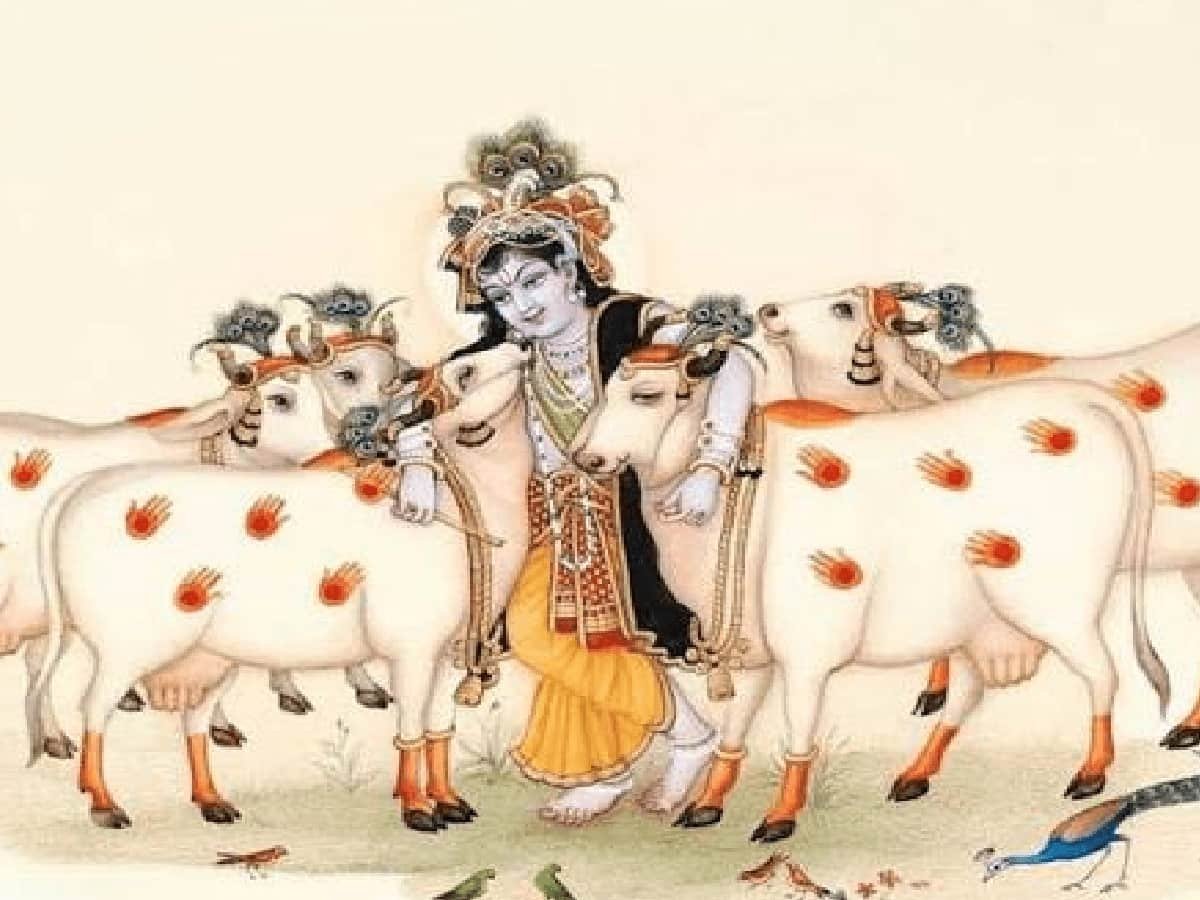
In Sanatan Dharma, the cow—revered affectionately as Gomata—occupies an unmatched spiritual and cultural pedestal as a universal mother and living embodiment of cosmic divinity. Across temple towns and spiritual heartlands of India—from Mathura, Vrindavan, Ayodhya, Varanasi, and Prayagraj to households in Lucknow, Kanpur, Unnao, Jaipur, and New Delhi—scriptural tradition describes the cow as “Sarvadevamayi”, meaning one in whom every deity and sacred realm dwells. Because of this belief, feeding, protecting, and serving cows (Gau Seva) is regarded as equivalent to worshipping the entire Hindu pantheon at once.
This sacred geography of the cow’s body is detailed extensively in Chapter 48 of the Srishti Khand of the Padma Purana, as well as in the Anushasan Parva of the Mahabharata. In popular parlance, devotees often speak of 33 crore (330 million)—or even 36 crore—gods and goddesses residing within the cow. Classical Sanskrit scholars note that the word “Koti” carries a dual meaning: while commonly translated as “crore” (ten million), in Vedic terminology it also signifies “supreme categories” or “types”—referring to the 33 primary Vedic deities (twelve Adityas, eleven Rudras, eight Vasus, and two Ashwini Kumaras) whose cosmic energies are mirrored within Gomata.
Deities Residing in the Mouth, Horns, Head, and Eyes
According to Puranic descriptions, the upper and facial features of the cow house the foundational pillars of Vedic wisdom and the supreme Trinity:
Mouth: All four sacred Vedas—the Rigveda, Yajurveda, Samaveda, and Atharvaveda—along with their six auxiliary limbs (Vedangas) are believed to reside in the cow’s mouth.
Horns: Lord Brahma, Lord Vishnu (Hari and Keshava), and Lord Shiva (Mahadev) dwell in the horns, while Lord Indra (king of the heavens) and sacred pilgrimage sites (Tirthas) reside at the tips of the horns.
Head and Forehead: Lord Brahma and Lord Shiva preside over the head, while Goddess Gauri (Parvati) and Rudra are believed to reside on the forehead.
Eyes: The Sun (Surya) and the Moon (Chandra) dwell in the cow’s two eyes, which is why beholding a cow at dawn is considered deeply auspicious.
Sacred Presence in the Ears, Teeth, Tongue, Nose, and Abdomen
Moving further across the cow’s anatomy, scriptures associate sensory and vital organs with deities of knowledge, healing, and sustenance:
Ears: The divine twin physicians, the Ashwini Kumaras, reside in the cow’s ears.
Teeth and Tongue: The Eight Vasus and Lord Garuda are said to reside in the teeth, whereas Goddess Saraswati (deity of speech and wisdom) and Lord Varuna dwell upon the tongue—symbolizing purity, truth, and sacred learning.
Nose and Abdomen: Lord Kartikeya (Skanda) and the Serpent Deities (Nagas) reside around the nose, while the abdomen is revered as the abode of Lord Kartikeya alongside the entire Earth (Prithvi) and the cosmic worlds.
Back, Hair Follicles, Tail, Hooves, and Panchagavya Elements
Scriptural tradition extends this reverence to every pore and byproduct of the cow:
Back and Hair Follicles: Yamaraj (the lord of dharma and justice) and the Eleven Rudras reside along the back, while countless Rishis (sages) and all 33 Koti deities dwell within the hair follicles (Romakupa) across her skin.
Tail and Hooves: Lord Hanuman, the son of Vayu, is believed to reside in the cow’s tail, while Gandharvas, celestial nymphs (Apsaras), and Nagas inhabit the hooves. Even the dust raised by a cow’s footsteps (Go-dhuli) is revered as carrying the sanctity of all pilgrimage centers.
Cow Urine and Cow Dung: In traditional Hindu rituals and Panchagavya purification practices, Goddess Ganga and Goddess Bhavani are believed to reside in cow urine (Gomutra), while Goddess Lakshmi (deity of prosperity) and Goddess Yamuna dwell in cow dung (Gomaya).
Quick Reference Guide: Body Parts of Gomata and Associated Deities
| Body Part / Element | Associated Deities / Sacred Entities |
|---|---|
| Mouth | Rigveda, Yajurveda, Samaveda & Atharvaveda |
| Horns & Horn Tips | Brahma, Vishnu, Shiva; Indra & Tirthas at the tips |
| Head & Forehead | Brahma, Shiva, Goddess Gauri & Rudra |
| Eyes | Surya (Sun) & Chandra (Moon) |
| Ears, Teeth & Tongue | Ashwini Kumaras (ears); Eight Vasus & Garuda (teeth); Saraswati & Varuna (tongue) |
| Nose & Abdomen | Lord Kartikeya, Nagas & Mother Earth |
| Back & Hair Pores | Yamaraj, Eleven Rudras, Rishis & 33 Koti Deities |
| Tail & Hooves | Lord Hanuman (tail); Gandharvas, Apsaras & Nagas (hooves) |
| Cow Urine & Dung | Goddess Ganga & Bhavani (urine); Goddess Lakshmi & Yamuna (dung) |
Why Gau Seva Holds Timeless Virtue in Hindu Tradition
As extolled throughout the Anushasan Parva of the Mahabharata and the Padma Purana, offering fresh green fodder, clean water, and compassionate shelter to cows is considered one of the purest forms of dharma. Beyond symbolic devotion, this tradition reflects an enduring ecological ethic—honoring the creature that has sustained agrarian communities, nutrition, and spiritual harmony across India for millennia.