Were Lord Rama and Hanuman Born at the Same Time
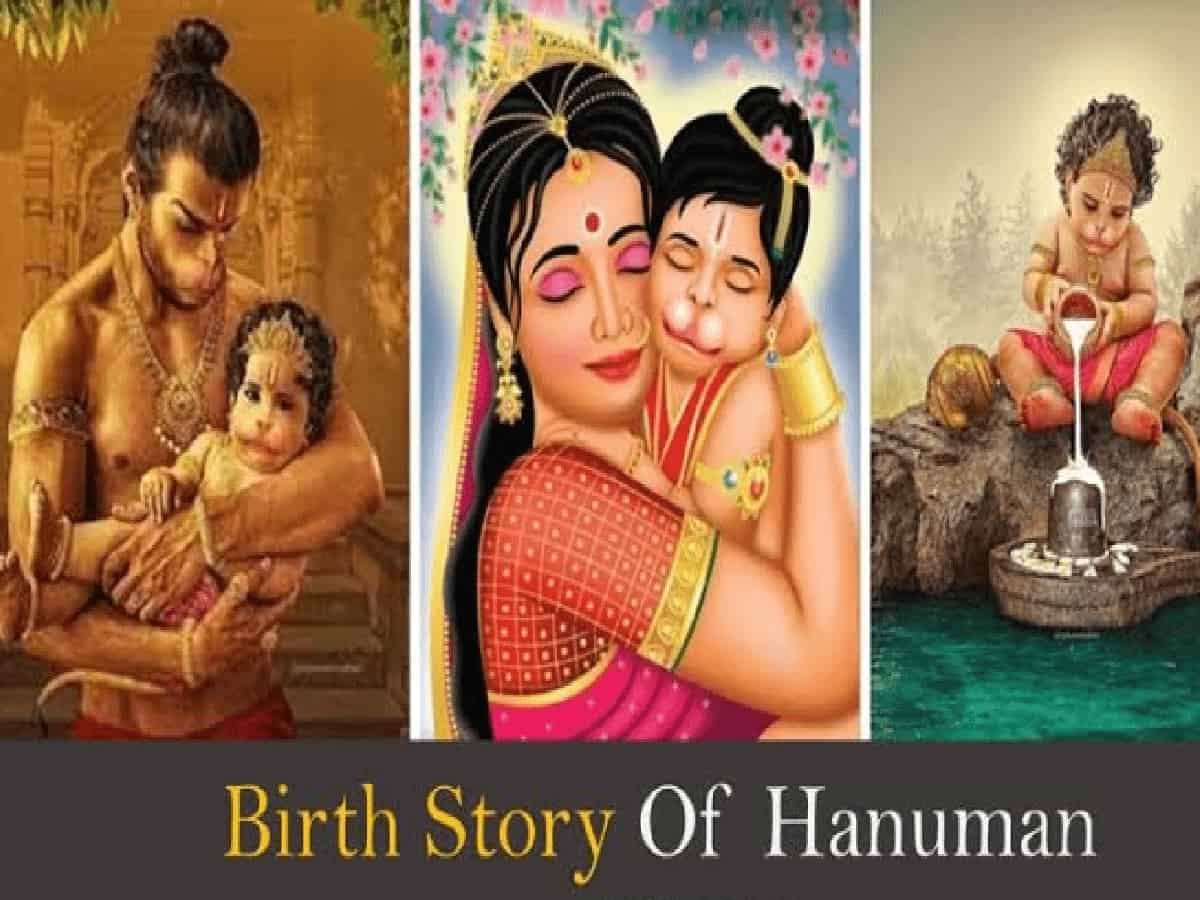
In the vast and profound ocean of Sanatan Hindu mythology, the epic tales surrounding Lord Rama and his eternal devotee Lord Hanuman occupy a sacred space of supreme reverence. While Lord Rama is universally worshipped as the seventh avatar of Lord Vishnu—descended to earth to establish righteousness (Dharma) and vanquish demonic forces—Lord Hanuman is revered as an avatar of Lord Shiva and the epitome of selfless devotion, strength, and unwavering loyalty.
The timeless bond between Lord Rama and Hanuman stands as the ultimate benchmark of master and devotee. From their momentous first meeting in the dense forests of Kishkindha to Hanuman's tireless efforts in locating Mother Sita across the ocean in Lanka, their destinies are depicted as eternally intertwined. However, a lesser-known, deeply mystical narrative found within esoteric scriptural texts poses a fascinating question: Were Lord Rama and Hanuman actually born at the exact same time?
The Divine Narrative in the Ananda Ramayana
While mainstream adaptations and Sage Valmiki's classical Valmiki Ramayana depict Lord Rama and Hanuman meeting later in life during the search for Sita, alternative scriptural accounts offer a breathtakingly different perspective. Detailed descriptions relating to the simultaneous births of Lord Rama and Hanuman are preserved within the pages of the Ananda Ramayana, a revered text that explores esoteric background stories and divine manifestations (leelas) associated with the Ramayana cosmos.
Specifically, this unique account is detailed in the Sarkanda (the first canto of the first section) of the Ananda Ramayana. According to this scripture, the temporal appearance of both divine entities on Earth was coordinated through a singular, miraculous cosmic event linked to the royal court of Ayodhya.
The Putrayeshti Yagna and the Divine Payasam (Kheer)
To understand this shared birth timeline, one must examine the events surrounding the famous Putrayeshti Yagna performed by King Dasharatha of Ayodhya. Stricken with grief and anxiety over not having an heir to inherit the Ikshvaku dynasty, King Dasharatha sought the counsel of his royal preceptors and invited the great sage Rishyashringa to perform a grand fire sacrifice (Yagna) dedicated to invoking divine blessings for progeny.
As the sacred rituals reached their climax, pleased with the purity of the yagna, the deity of fire, Agnidev, emerged from the blazing flames. He presented the king with a golden vessel containing a sacred celestial pudding (payasam or kheer), instructing Dasharatha to distribute it among his queens.
King Dasharatha divided the divine kheer among his chief consorts—Queen Kaushalya, Queen Kaikeyi, and Queen Sumitra. In due course, the divine grace manifested, leading to the immaculate conception and birth of Lord Rama, Bharat, Lakshmana, and Shatrughna.
How the Divine Kheer Reached Mother Anjana
At the exact same celestial moment, a parallel divine drama was unfolding. While King Dasharatha was performing his yagna for offspring, Mata Anjana—deeply devoted and immersed in rigorous spiritual austerities—was simultaneously praying for a righteous and powerful son.
According to the accounts in the Ananda Ramayana, as Agnidev offered the divine kheer in Ayodhya, a miraculous portion of that sacred offering was carried across the winds by Pawan Dev (the Wind God). Recognizing the pure devotion of Mata Anjana, Pawan Dev delivered a portion of the celestial pudding directly to her. Consuming the sacred offering with profound reverence, Mata Anjana was blessed with divine grace, which soon resulted in the birth of her mighty son, Hanuman.
Because both births trace their immediate origin to the single, miraculous distribution of the celestial kheer generated during King Dasharatha's Putrayeshti Yagna, scriptural traditions suggest that Lord Rama and Hanuman entered the earthly realm during the very same epoch and chronological window.
Reconciling Valmiki Ramayana and Ananda Ramayana
Scholars and scriptural experts often note the distinct boundary between different texts within Hindu literature. In the classical Valmiki Ramayana, there is no explicit mention of Lord Rama and Hanuman sharing the same birth moment; instead, their meeting is portrayed as an auspicious encounter between a prince in exile and a divine celestial messenger in the forests of Kishkindha.
However, texts like the Ananda Ramayana operate on a symbolic and metaphysical plane, emphasizing that beings of divine origin (Amshas) descend onto the material plane in perfect cosmic harmony to fulfill pre-ordained divine missions. Whether viewed through the lens of strict historical chronology or profound spiritual allegory, the tale of their shared birth origin highlights the inseparable, eternal bond connecting Lord Rama and his greatest devotee, Hanuman.