Sacred Blooms: The Complete Spiritual Guide to Offering Flowers in Hindu Puja Rituals
_417911123.jpg)
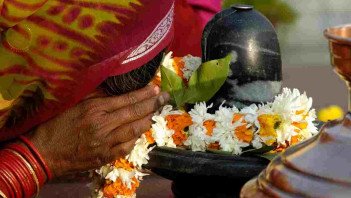
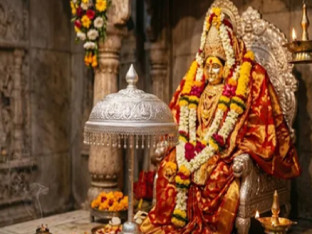
In Hindu spirituality, offering fresh flowers—known as Pushpam—is considered one of the most powerful and pure acts of devotion (Bhakti). Far beyond mere decoration, flowers serve as a vital spiritual bridge between the devotee and the divine, carrying specific cosmic vibrations that can elevate the energy of your entire home mandir. While the supreme consciousness values the purity of intention above all else, ancient Vedic texts and regional traditions suggest that tuning the colour, fragrance, and type of flower to specific deities can create a deeply harmonious prayer environment.
The Divine Connection: Which Flowers to Offer to Which God
Different deities resonate with specific botanical energy patterns, shaped by their cosmic attributes. Matching your daily offerings to these traditional associations is believed to attract positive planetary frequencies and invoke divine blessings more effectively.
| Deity | Preferred Flowers | Key Spiritual Symbolism |
|---|---|---|
| Lord Ganesha | Red Hibiscus, Marigold | Removes obstacles, radiates vital life energy (Prana) |
| Lord Shiva | Dhatura, White Crown Flower, Blue Aparajita | Supreme detachment, peace, cosmic dissolution |
| Lord Vishnu | Pink/White Lotus, Jasmine, Champa | Preservation, cosmic order, absolute purity |
| Goddess Lakshmi | Pink Lotus, Red Rose, Desi Gulab | Spiritual wealth, material prosperity, abundance |
| Goddess Durga | Vibrant Red Hibiscus, Red Lotus | Divine feminine power (Shakti), protection, victory |
| Lord Hanuman | Chameli (Jasmine), Orange Marigold | Absolute devotion, physical strength, protection |
| Goddess Saraswati | White Lotus, Mogra (Jasmine), Yellow Palash | Knowledge, fine arts, wisdom, spiritual awakening |
Decoding the Cosmic Language of Colours in Daily Puja
In Vedic philosophy, the colour spectrum plays a major role in channelling specific spiritual energies during meditation and chanting rituals.
Pure White: Reflects absolute purity, peace, clarity, and Sattva Guna (goodness). Ideal for Lord Shiva and Goddess Saraswati.
Vibrant Red: Symbolises infinite energy, dynamic action, power, and fierce devotion. Exclusively preferred by Maa Durga and Lord Ganesha.
Bright Yellow & Orange: Represents cosmic knowledge, enthusiasm, intellectual growth, and prosperity. Universally pleasing to Lord Vishnu and Lord Hanuman.
Soft Pink: Employs the energy of unconditional love, deep compassion, and heart-centred devotion, making it perfect for Lakshmi puja.
Crucial Sacred Restraints: Flowers You Must Absolutely Avoid
While nature offers thousands of blooms, specific scriptural injunctions warn against offering certain flowers to particular deities, as advised by ancient Puranic legends. Violating these rules is traditionally believed to disrupt the ritual's spiritual harmony.
The Ketaki Prohibition: According to the Shiva Purana, the Ketaki (Kewda) flower bore false witness in a dispute between Lord Brahma and Lord Vishnu. Enraged by the untruth, Lord Shiva cursed the flower, banning it eternally from ever being placed on the sacred Shiva Lingam.
Similarly, while Tulsi leaves are the lifeblood of Vishnu and Krishna worship, they are strictly prohibited in the worship of Lord Ganesha due to a legendary mythological dispute between them. Additionally, common rules dictate that you must never offer wilted, dry, insect-damaged, or chemically altered artificial flowers. Flowers gathered from the ground or that have been smelled before being offered are also considered Uchchhishta (defiled) and must be avoided to preserve the absolute sanctity of your sacred altar space.