


Mythological Significance of Kushavarta Ghat in Haridwar for Pind Daan and Ancestral Salvation
_1187318834.jpg)
Haridwar, renowned universally as a premier pilgrimage destination and the holy "Kumbh City" of Uttarakhand, holds a deeply revered position in Hindu mythology. According to ancient texts like the Skanda Purana and the Padma Purana, during the celestial churning of the cosmic ocean, divine nectar spilled across four locations on Earth, including Haridwar, Prayagraj, Nashik, and Ujjain. While Har Ki Pauri draws millions for the grand Maha Kumbh Mela and holy dips in the Ganges, another site within the sacred city reigns supreme when it comes to ancestral rites: Kushavarta Ghat. Millions of devotees travel to this historic ghat daily, driven by the unwavering faith that performing Pind Daan, ash immersions, and ancestral rituals here grants direct salvation and eternal peace to departed souls.
Scriptural References, Lord Dattatreya's Penance, and Pandavas' Rituals at Kushavarta Ghat
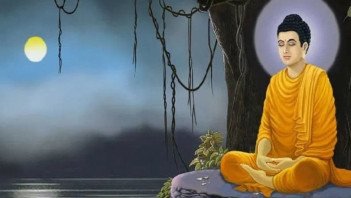
The sanctity of Kushavarta Ghat is deeply embedded in major scriptures such as the Vishnu Purana, the Shiva Purana, and the Kedarkhand of the Skanda Purana. According to rich religious lore, the ghat derives its name from the ancient abundance of sacred Kusha grass. Mythology records that during the Treta Yuga, Lord Rama performed ancestral Pind Daan and Tarpan at this very ghat for his father and forefathers, while later in the Dwapara Yuga, the Pandavas performed sacred rites here to bring peace to the souls of their fallen kin after the Mahabharata war. Furthermore, Kushavarta Ghat is globally celebrated as the profound site of penance for Lord Dattatreya, an incarnation of Lord Vishnu, who meditated here for thousands of years, leaving behind a dedicated temple and cementing the ghat's unmatched spiritual potency for ancestral salvation, holy baths, and tonsure ceremonies.
_1219608553_351x234.jpg)

_491203021_351x234.jpg)
_160280938_351x234.jpg)
_1692138337_351x234.jpg)
_1773332158_351x234.jpg)