


Multiple Tulsi Plants at Home: Vastu Guidelines, Auspicious Numbers, and Correct Direction for Positive Energy
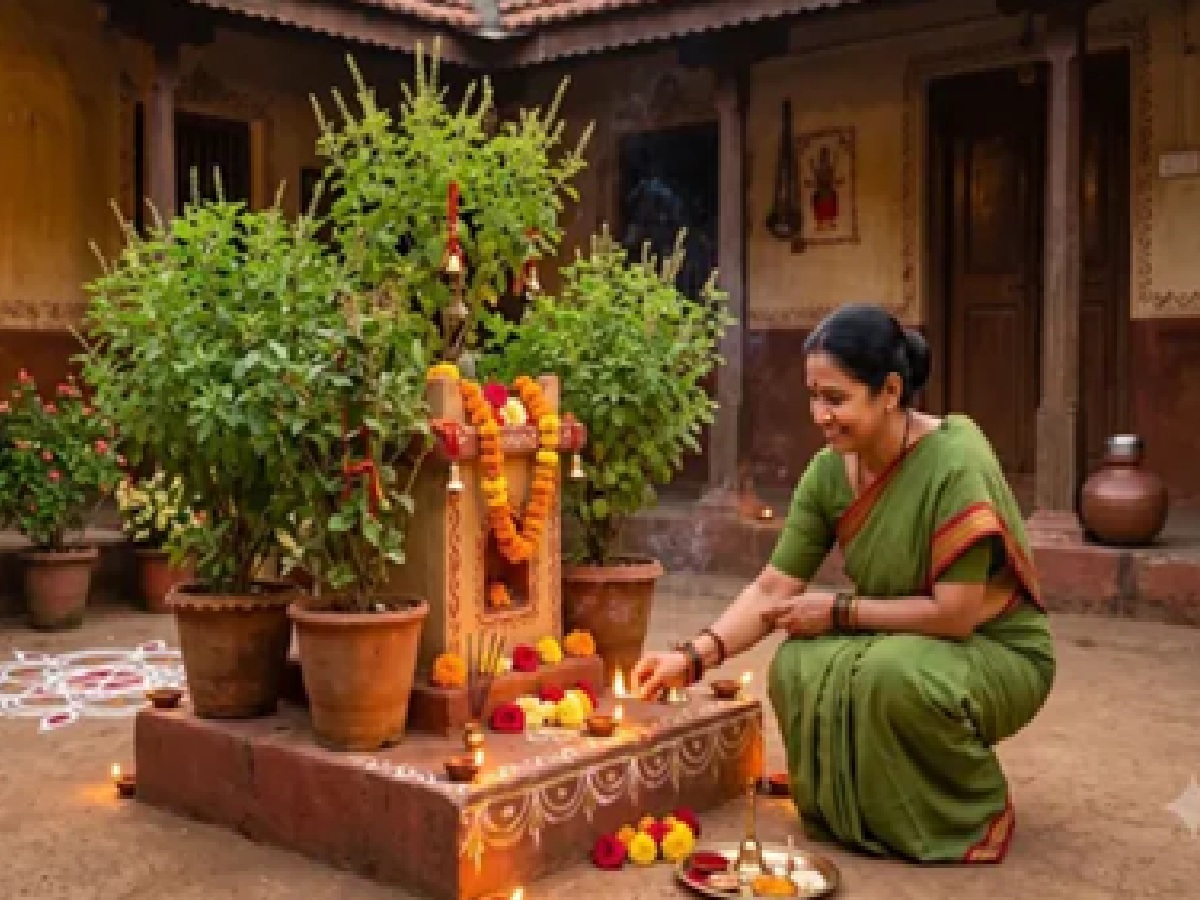
In Hindu tradition and Vastu Shastra, the Tulsi (holy basil) plant holds a place of unmatched reverence, widely worshipped as an earthly manifestation of Goddess Lakshmi and a perpetual beacon of divine positivity. Beyond its rich cultural heritage and medicinal properties, a healthy green Tulsi plant is believed to purify the household environment and attract auspicious energy. However, a common dilemma among homeowners is whether it is permissible and auspicious to keep more than one Tulsi plant at home, and what specific Vastu protocols govern their placement.
Can You Keep More Than One Tulsi Plant? Vastu Rules on Numbers
According to Vastu principles, keeping multiple Tulsi plants at home is entirely acceptable, but strict guidelines dictate their quantity. Vastu experts recommend planting them in odd numbers—such as three, five, or seven plants together—as this is considered highly auspicious. Homeowners must avoid overcrowding or letting the plants grow into an unmanaged cluster resembling a thicket, as proper maintenance and regular daily worship are vital. If multiple plants are neglected and allowed to wither, the spiritual benefits of the puja are diminished, making proper care paramount.
Correct Direction and Essential Vastu Protocols for Tulsi Placement
Placing the Tulsi plant in the correct directional quadrant of the house is crucial for maximizing positive cosmic vibrations. Vastu Shastra dictates that the north, east, or north-east (Ishan Kon) directions are the most favorable spots for placement, ideally in a clean courtyard, balcony, or rooftop space. Conversely, planting Tulsi in the south direction—traditionally associated with ancestors and Yama—must be strictly avoided to prevent negative consequences. Additionally, daily maintenance rules require regular watering, though devotees must refrain from watering the plant on Sundays and Ekadashi, as tradition holds that Mother Tulsi observes a fast on these sacred days for Lord Vishnu.

_1013170162_351x234.jpg)

_1017940024_351x234.jpg)
_1710951429_351x234.jpg)
_707133823_351x234.jpg)
_1964009516_351x234.jpg)