How Does Lord Vishnu Awaken From Yogic Sleep on Devuthani Ekadashi
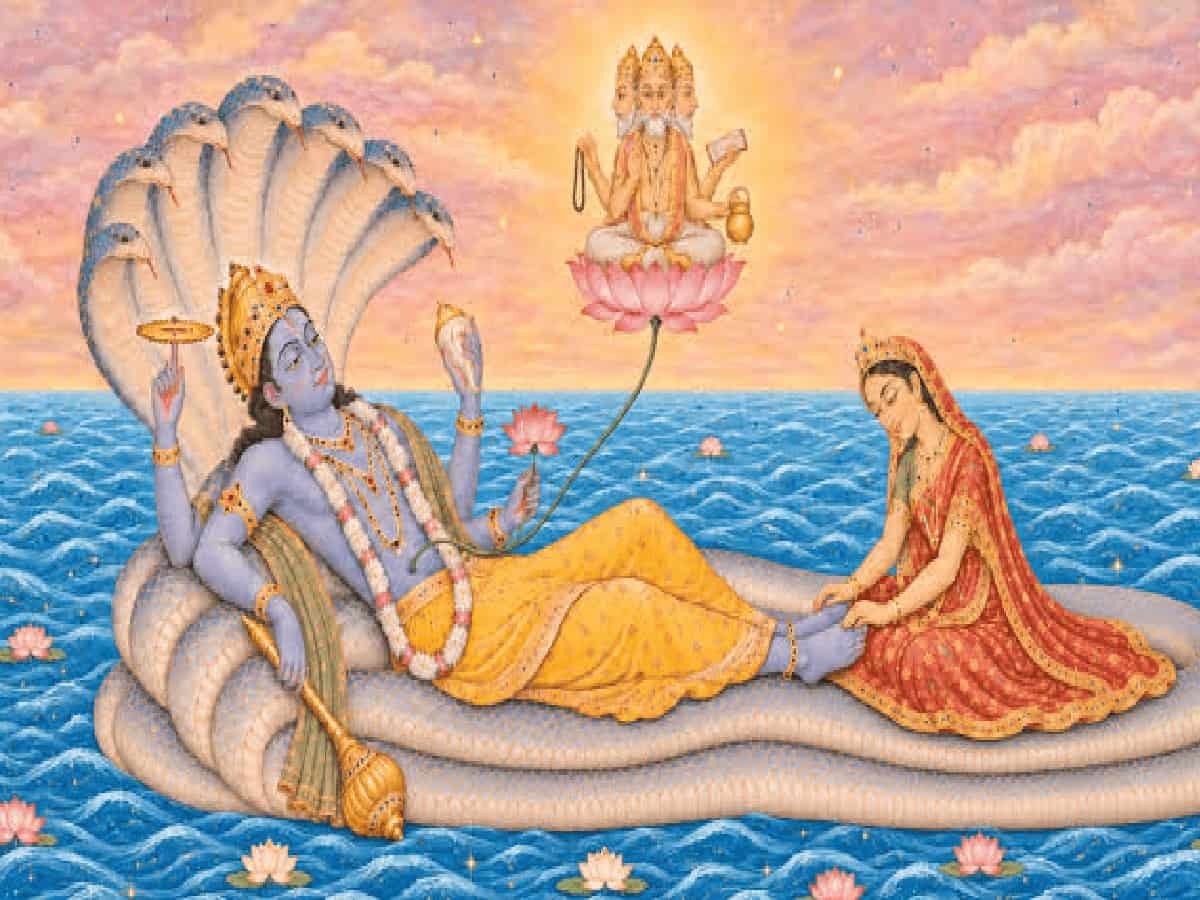
In Sanatan Dharma, few occasions carry as much joyous spiritual renewal as Devuthani Ekadashi—also revered across North India as Prabodhini Ekadashi or Devotthan Ekadashi—observed on the eleventh lunar day (Ekadashi Tithi) of the bright fortnight (Shukla Paksha) in the sacred month of Kartik. After four months of cosmic rest known as Chaturmas, Lord Vishnu, the supreme preserver of creation, awakens from his divine yogic slumber (Yoganidra) resting upon Sheshnag in the Kshirsagar (Ocean of Milk). As soon as Srihari opens his eyes, the four-month moratorium on auspicious ceremonies comes to a close—ushering in the wedding season, housewarmings (Griha Pravesh), sacred thread rituals, and grand temple festivities across Ayodhya, Mathura, Vrindavan, Varanasi, Prayagraj, Lucknow, Kanpur, Unnao, and New Delhi.
Yet one of the most captivating and beloved customs of Devuthani Ekadashi takes place inside homes and temple courtyards after dusk: families gather around their household altars blowing conch shells (Shankh), ringing brass temple bells (Ghanti), and rhythmically tapping metal plates (Thali) or vessels while chanting "Utho Dev, Baitho Dev!" (Arise O Lord, Be Seated O Lord!). Far from being a mere noisy celebration, this centuries-old ritual holds deep scriptural, acoustic, and spiritual significance.
Why Are Conch Shells, Bells, and Metal Plates Played to Awaken Lord Vishnu?
According to Puranic tradition, Lord Vishnu enters Yoganidra on Devshayani Ekadashi (in the Shukla Paksha of Ashadha month), entrusting the active governance and cosmic balance of the universe to Lord Shiva during the four monsoon months of Chaturmas. When Kartik Shukla Ekadashi arrives four months later, devotees welcome Lord Vishnu back to active cosmic stewardship with sacred sound vibrations rather than abrupt noise:
The Primordial Sound of the Conch (Shankhnaad): In Hindu cosmology, the conch shell (Panchajanya) is one of Lord Vishnu’s four divine emblems and emerged during the churning of the cosmic ocean (Samudra Manthan). Scriptural texts explain that the resonant hum of a conch produces the primordial syllable "Om", purifying the surrounding atmosphere, dispelling stagnant or negative energy, and inviting divine consciousness into the household.
The Auspicious Resonance of Temple Bells (Ghantanaad): According to the Agama Shastras, the ringing of a bronze or brass bell harmonizes the left and right hemispheres of the human brain while generating high-frequency acoustic waves that ward off tamasic (dull or negative) influences, signaling to the senses that sacred worship has begun.
Folk Devotion Through Thali and Pots: Across rural and urban households in Uttar Pradesh, Bihar, Madhya Pradesh, and Rajasthan, elders traditionally strike a clean metal thali or earthen pot with a spoon alongside conch and bell sounds. Symbolically, this domestic percussion represents the awakening of household prosperity, fertility, and collective family joy at the start of the harvest and wedding season.
Step-by-Step Puja Vidhi: How to Awaken Lord Vishnu on Devuthani Ekadashi Evening
To observe the evening awakening ritual (Dev Prabodhan Puja) with traditional devotion at home, follow these simple, time-honored steps:
Prepare a Sugarcane Pavilion (Ganna Mandap): After sunset, clean the worship area and construct a small four-pillar canopy using fresh sugarcane stalks—symbolizing sweetness, harvest abundance, and spiritual upliftment. Place a clean yellow or red cloth underneath and install an idol or image of Lord Vishnu (alongside Shaligram Ji and Goddess Lakshmi) at the center, drawing auspicious swastika or rangoli motifs around the altar with rice flour and turmeric.
Offer Seasonal Harvest Prasad and Tulsi: Light a pure cow-ghee lamp (diya) and incense. Offer seasonal autumn delicacies associated with Kartik—specifically sweet potatoes (shakarkandi), water chestnuts (singhara), sugarcane pieces, seasonal fruits, jaggery, and sweets. Never forget to place fresh Tulsi leaves in the offering, as Lord Vishnu does not accept bhog without Tulsi.
Awaken Srihari With Sacred Sounds: Gather all family members around the sugarcane pavilion. Blow the conch shell, ring the temple bell, and gently beat a brass thali while reciting Vishnu mantras ("Om Namo Bhagavate Vasudevaya") and traditional awakening verses inviting Srihari to rise from Yoganidra and bless the home.
Perform Aarti and Distribute Prasad: Conclude the ritual with a joyful Vishnu Aarti, offer freshly prepared puri-sabzi, kheer, or fruits as bhog, seek forgiveness for any inadvertent errors in worship, and distribute the sanctified prasad among family members and neighbors.
Spiritual Essence of Saying ‘Jai Shri Hari’ on Prabodhini Ekadashi
Ultimately, the ritual of awakening Lord Vishnu from yogic sleep mirrors the awakening of our own dormant spiritual awareness after months of introspection. When the resonant sound of the conch and bell fills a home on Devuthani Ekadashi evening, it reminds devotees to shake off lethargy, cultivate gratitude, and welcome righteousness, harmony, and divine grace into every new beginning of the year ahead.