Harchhath Vrat 2026: Why Women Worship 7 Grains and Observe the Strict Halshasthi Fast on September 2
_1809106605.jpg)
The sacred festival of Harchhath, also widely known as Hala Shashthi, Halshasthi, or Balram Jayanti, holds profound significance in traditional Hindu culture. Celebrated annually two days prior to Sri Krishna Janmashtami, this rigorous fast is observed primarily by mothers praying for the longevity, good health, and overall well-being of their children. Dedicated to Lord Balram—the elder brother of Lord Krishna—the festival is steeped in unique rituals, strict dietary restrictions, and deeply symbolic agricultural customs.
When is Harchhath Vrat 2026? Date and Auspicious Yogas
According to Vedic panchang calculations, the Shashthi Tithi of Krishna Paksha in the month of Bhadrapada begins in the early hours of September 2, 2026, at 6:12 AM, and concludes on September 3 at 4:25 AM.
Based on the crucial rule of Udaya Tithi (observing festivals on the date active during sunrise), the Halshasthi fast will be officially observed on Wednesday, September 2, 2026. Adding to the spiritual potency of the day, a highly auspicious combination is forming: Dhruva Yoga remains active from early morning until 9:12 PM, alongside Vyaghata Yoga, making it an exceptionally meritorious day for fasting, prayers, and domestic rituals.
Unique Dietary Rules: Why Ploughed Food Is Strictly Prohibited
The Harchhath Vrat is notoriously rigorous, governed by strict dietary codes rooted in the mythology of Lord Balram. Because the divine weapon of Lord Balarama is the plough (Hal), followers strictly abstain from consuming anything that has been harvested using a plough or grown on tilled soil.
During the duration of the fast:
Prohibited Items: All grains, vegetables, and crops cultivated through conventional farming using a plough are entirely forbidden.
Permitted Foods: Devotees consume only wild aquatic foods that grow naturally on the banks of ponds, such as water chestnuts (singhara), lotus seeds (makhana), and native wild grasses.
The Mother's Vow: Throughout the day of the fast, women refrain from stepping into or walking across any tilled agricultural land, honoring the sanctity of the plough.
Worship Rituals: Chhathi Mata and the Significance of 7 Grains
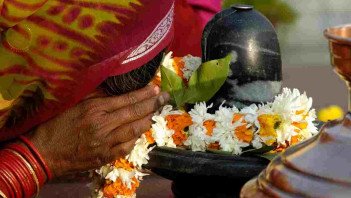
The central focus of the day's puja involves creating an idol of Chhathi Mata using fresh cow dung within the home or courtyard. Mothers gather to perform detailed worship, invoking blessings for their children's protection and future prosperity.
A defining element of the puja is the ceremonial offering and worship of seven sacred grains, which include barley, corn, paddy, wheat, chickpeas, green gram, sesame seeds, and pigeon peas. Participating in these traditional rites allows families to connect deeply with ancient agricultural blessings, seeking divine grace for protection, fertility, and lifelong familial harmony.
_1970362026_351x234.jpg)

_400699945_351x234.jpg)
_994685558_351x234.jpg)
_396567557_351x234.jpg)