Gopashtami 2026: Cow Parikrama Rituals and Benefits
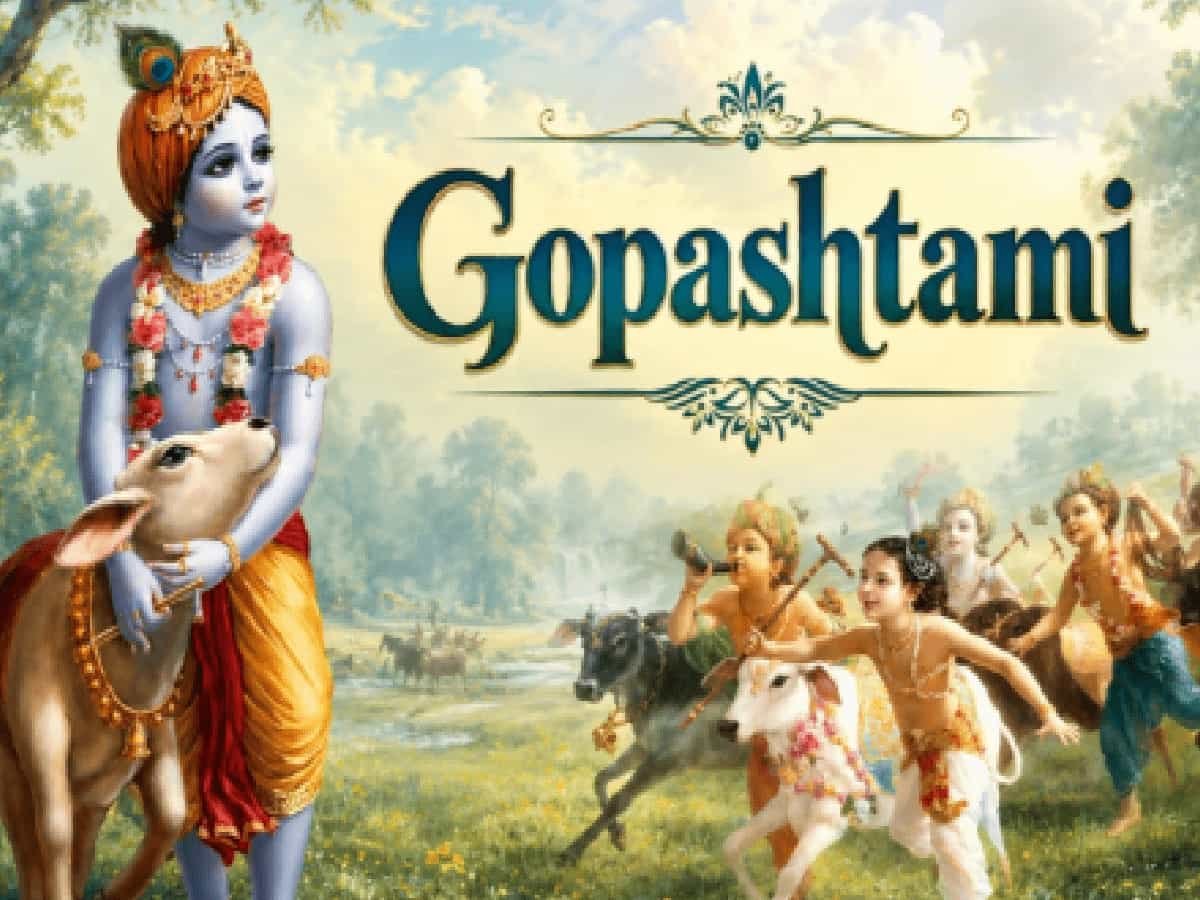
The festive calendar of Sanatan Dharma is rich with celebrations that honor nature, animals, and sacred traditions. Among these, the auspicious festival of Gopashtami holds profound spiritual and cultural importance. Celebrated annually on the eighth day (Ashtami Tithi) of the bright fortnight (Shukla Paksha) in the holy month of Kartik, this day is dedicated to the worship and reverence of the cow, affectionately revered as Gau Mata or Mother Cow.
According to ancient mythological traditions and scriptures, it was precisely on Gopashtami that Lord Krishna and Balarama transitioned from tending calves to herading fully grown cows in the pastures of Vrindavan. To commemorate this divine milestone, devotees across India celebrate Gopashtami with immense devotion, offering special prayers, feeding fresh fodder and jaggery, and performing ritualistic circumambulation (parikrama) of the cow.
Gopashtami 2026 Date, Timings, and Auspicious Muhurtas
According to the Vedic calendar and Hindu panchang, the sacred festival of Gopashtami is observed on November 17, 2026. Astrological and ritual timings for the day include:
Ashtami Tithi Begins: November 17, 2026, at 04:19 AM
Ashtami Tithi Ends: November 18, 2026, at 06:04 AM
Brahma Muhurta: 04:59 AM to 05:52 AM
Vijay Muhurta: 01:53 PM to 02:36 PM
Twilight (Godhuli) Muhurta: 05:27 PM to 05:53 PM
Amrit Kaal: 05:11 PM to 06:56 PM
Performing worship and conducting rituals during these designated auspicious time windows is believed to maximize the spiritual benefits and divine grace bestowed upon the devotee and their family.
Which Direction to Face and How Many Rounds to Take During Parikrama
A common question among devotees observing Gopashtami is the precise protocol for performing the sacred parikrama around the cow. According to scriptural guidelines and traditional practices, performing circumambulation incorrectly can diminish the spiritual rewards of the ritual.
Number of Rounds: Devotees should ideally perform seven or eleven complete rounds (parikrama) around the cow and her calf after completing the ritualistic worship (puja).
Auspicious Direction: When initiating and conducting the circumambulation, devotees should ensure they face towards the east or north direction, as these cardinal points are associated with higher divine frequencies, solar energy, and spiritual clarity.
Spiritual and Psychological Benefits of Gopashtami Parikrama
In Hindu cosmology, the cow is revered as a cosmic repository of divine energy, believed to house the presence of 33 crore (330 million) gods and goddesses. Consequently, performing parikrama and serving the cow is believed to yield spiritual merits equivalent to visiting all sacred pilgrimage sites (tirtha yatras) across the universe.
Beyond its theological significance, observing Gopashtami rituals offers profound psychological and emotional grounding. Devotees often report a deep sense of inner peace, alleviation of mental anxiety, and the infusion of positive, calming energy into their daily lives. Furthermore, offering fresh green fodder, wheat rotis, and jaggery to cows after the parikrama is traditionally believed to foster harmony in family relationships, eliminate obstacles, and invite prosperity and divine protection into the household.