Cosmic Harmony or Vastu Dosha? The Hidden Rules of Placing Two Conch Shells in Your Home Mandir
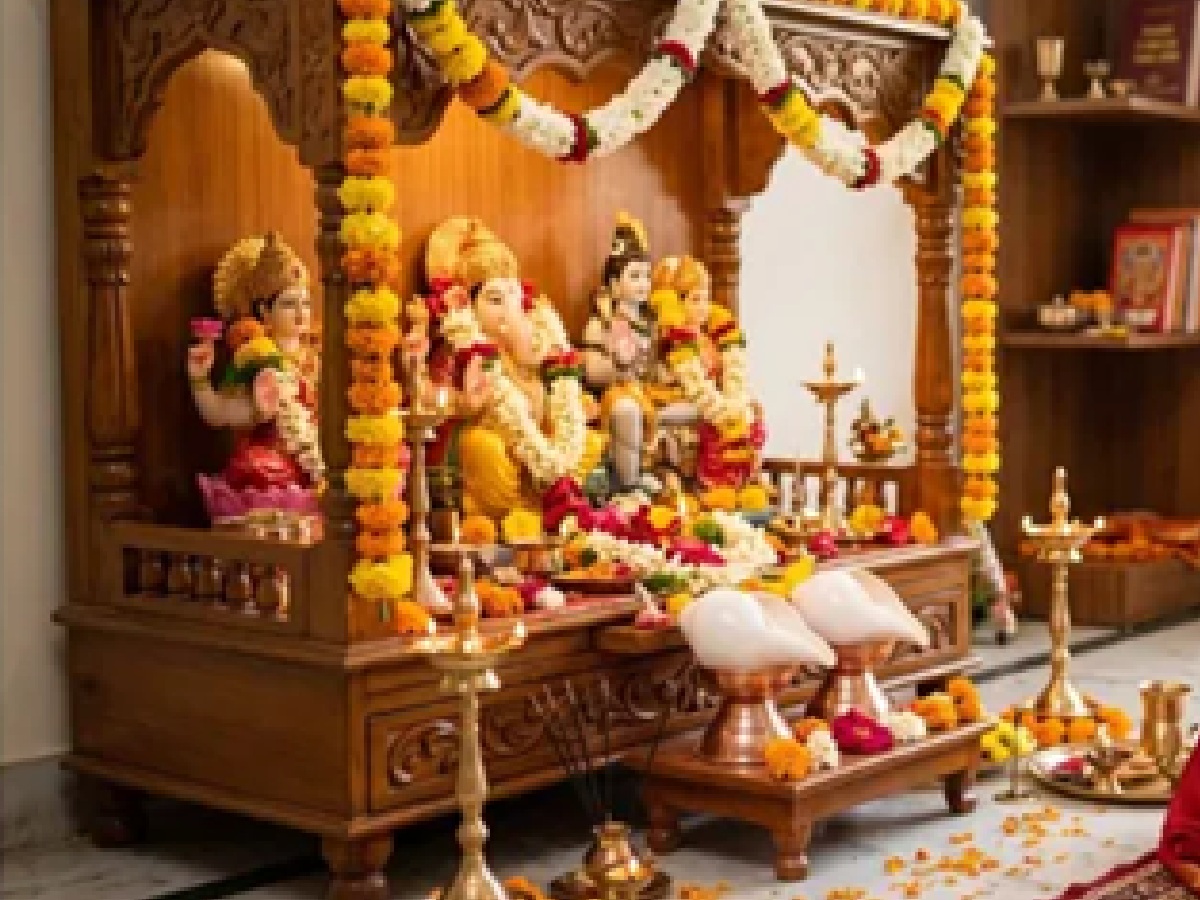
In traditional Hindu households and ancient Vastu Shastra, the conch shell (Shankh) is revered not just as a ritualistic object, but as a dynamic powerhouse of spiritual resonance and cosmic energy. Deeply linked to the goddess of wealth, Lakshmi, and the preserver, Lord Vishnu, a beautifully placed conch shell is known to invite immense prosperity and drive away stale vibes. However, a highly debated dilemma frequently arises among modern homemakers and spiritual practitioners: is it spiritually safe to house two conch shells simultaneously within a single home mandir? While having a conch is highly encouraged, Vastu consultants warn that multiplying them without knowing the hidden rules can accidentally create an energetic conflict, turning an auspicious blessing into a home Vastu defect.
The Sacred Genesis: Why the Shankh Holds Supreme Spiritual Power
To understand its placement rules, one must look at the rich history behind this marine marvel. According to sacred Vedic scriptures and Puranic legends, the primordial conch emerged directly from the historic churning of the cosmic ocean (Samudra Manthan). Lord Vishnu’s legendary personal conch, the Panchajanya, is worshipped to this day as a beacon of victory and purity.
Because of this divine origin, the sound waves generated by blowing a ritualistic conch physically and spiritually cleanse the surrounding atmosphere, shattering negative thought patterns and creating a protective shield of positive frequencies around your household. In fact, standard ritual protocols dictate that no grand Vedic puja is truly complete without the triumphant echo of the conch signaling its start or culmination.
The Two-Conch Dilemma: Why Identical Shells Trigger Vastu Defects
When it comes to the crucial question of keeping a pair of conches at home, Vastu Shastra delivers a clear and absolute warning: you must never place two identical conch shells side by side in a home temple. If two identical shells are kept together and offered the exact same worship, their spiritual vibrations can cross paths, creating a chaotic energy imbalance instead of peace.
Every genuine conch shell carries a specific directional spin and frequency. Placing them identically in the same tray causes their energy fields to clash, which can lead to blocked positive energy and unnecessary domestic friction. To ensure a peaceful home environment, Vastu guidelines emphasize that the subtle cosmic forces inside your prayer corner must remain completely balanced and free from formatting confusion.
The Right Method: Separating the 'Puja Shankh' from the 'Blowing Shankh'
If your household requires the presence of two conch shells, Vastu practitioners offer a simple, practical structural solution to avoid any potential Vastu defects. The two shells must serve entirely different functional purposes and be maintained with distinct protocols:
The Puja Shankh (Bathing/Worship Conch): This shell is kept strictly stationary inside the altar, often resting on a brass or copper stand. It is used to hold holy water, perform ritual bathing (Abhishek) of deities, and absorb the quiet, serene energies of daily prayers. It should never be blown.
The Vamavarti or Blowing Shankh: This specific shell is used exclusively for blowing at the start or end of a prayer session. Because saliva touches this item during use, it is structurally categorized under a different energetic purity level and must never be kept in the same tray or container as the sacred worship conch.
By keeping these two functional shells physically apart and dedicating each to its own unique purpose, you eliminate any risk of negative energy interference, ensuring your home temple remains a true sanctuary of health, wealth, and spiritual growth.