Chhath Puja 2026: Significance, Sacred Rituals, and the Legend of Chhathi Maiya Highlighted by Siddharth-Tamannaah Song
_907940989.jpg)
Chhath Puja, one of Hinduism's most sacred and austere festivals, has captured widespread global attention following the release of the chartbuster song "Chhathi Maiya" from Siddharth Malhotra and Tamannaah Bhatia's upcoming film The One. As audiences everywhere embrace the soulful melody, curiosity surrounding the rich traditions, profound spiritual significance, and rigorous observances of this four-day festival has surged. Celebrated primarily for the long life, robust health, and enduring prosperity of children, Chhath Puja stands out for its unique blend of environmental harmony, deep devotion, and rigorous physical discipline dedicated to the Sun God and Chhathi Maiya.
Who is Chhathi Maiya and What is the Mythology Behind the Festival
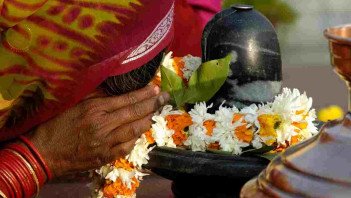
According to ancient Hindu scriptures, including the Brahmavaivarta Purana and the Skanda Purana, Chhathi Maiya is revered as Devasena, the mental daughter of Lord Brahma, and the divine sister of Lord Surya (the Sun God). Devotees believe that observing the arduous 36-hour Chhath fast and performing rituals with pure devotion brings blessed progeny, good health, and immense household prosperity. Unlike other festivals, Chhath involves no idol worship of clay images inside temples; instead, prayers are offered directly to the primal life-giver—the Sun—at natural water bodies during sunset and sunrise.
Step-by-Step Breakdown of the Four-Day Chhath Puja Rituals
The sacred observance spans four distinct days, each governed by strict spiritual and dietary protocols:
Day 1: Nahay-Khaay (November 13, 2026): Devotees take a holy bath in a river or pond and consume a single purified, sattvik meal consisting of bottle gourd (pumpkin) curry, chana dal, and rice cooked in bronze or earthen utensils to purify the body and mind.
Day 2: Kharna (November 14, 2026): Observers maintain a strict day-long fast without water. In the evening, traditional kheer (rice pudding made with jaggery) and rotis are prepared on a clean mud stove as an offering to Chhathi Maiya. After partaking in this sacred prasad, the devotee initiates a rigorous 36-hour continuous waterless fast.
Day 3: Sandhya Arghya / Evening Offering (November 15, 2026): The most visually striking day of the festival involves carrying traditional bamboo baskets (soop) filled with seasonal fruits, thekua, and offerings to the riverbank or water reservoir. Devotees stand waist-deep in water to offer arghya to the setting sun, expressing gratitude for life on Earth.
Day 4: Usha Arghya and Parana / Sunrise Offering (November 16, 2026): The festival concludes on the final morning as devotees gather at the water's edge before dawn. Arghya is offered to the rising sun accompanied by heartfelt prayers for family peace and children's futures, after which devotees break their fast by consuming holy prasad.
_1141300867_351x234.jpg)

_1530311358_351x234.jpg)
_1604031556_351x234.jpg)
_1683607399_351x234.jpg)
_1778943131_351x234.jpg)