Chhath Puja 2026: Never Make This Mistake With Daura
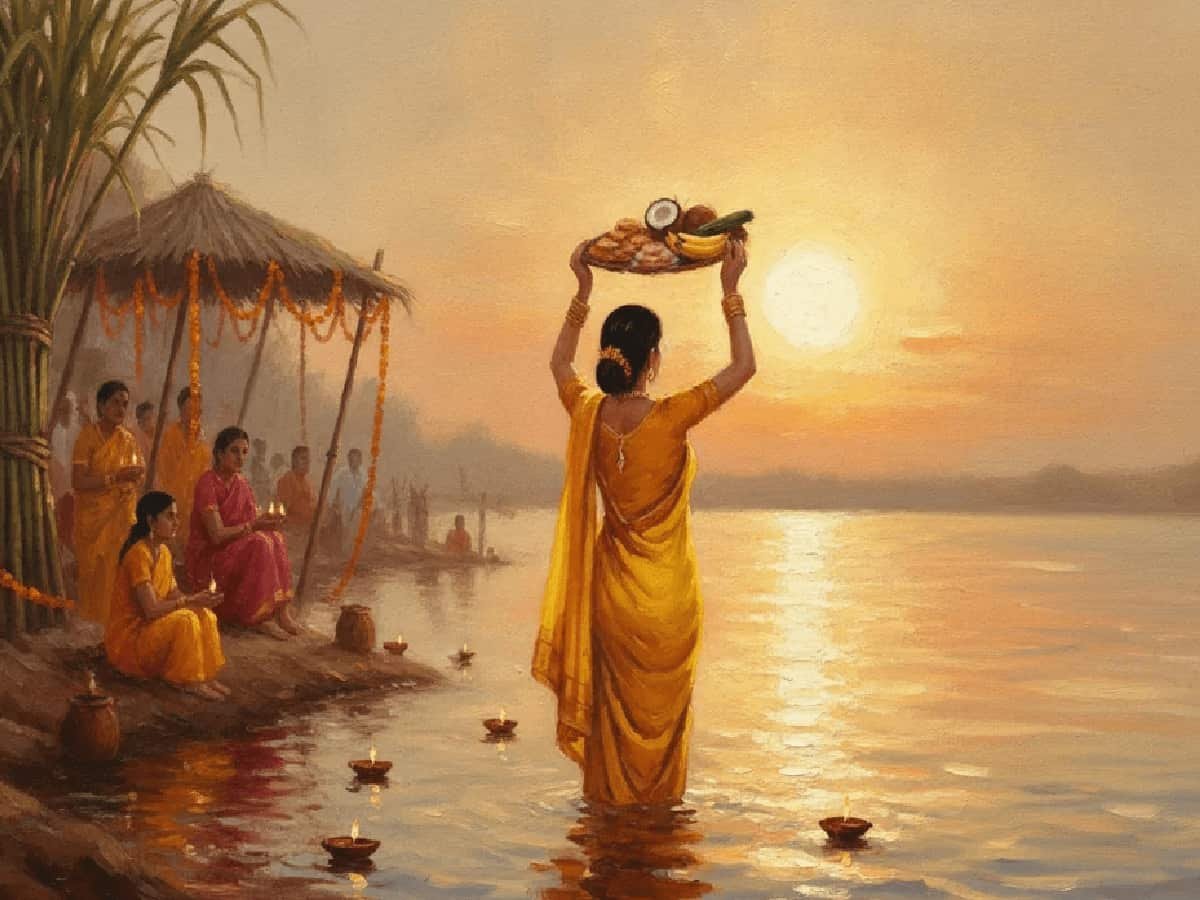
As millions of devoted worshippers immerse themselves in the rigorous rituals, pure devotion, and profound spiritual energy of Chhath Mahaparva, every single custom carries deep scriptural and symbolic meaning. Celebrated across northern India and beyond, Chhath is widely recognized as one of the most disciplined and spiritually demanding festivals in Sanatan Dharma. From strict fasting and ritualistic cleanliness to the meticulous preparation of traditional offerings (theua, karkand, fruits, and sweets), every action is performed with utmost reverence for the Sun God (Surya Dev) and Chhathi Maiya.
Among the most vital sacred items used during the four-day festival is the daura—a traditional bamboo basket used to carry the heavy loads of prasad, earthen lamps, sugarcane, and ritual items to and from the riverbanks. However, many devotees remain unaware that carrying the daura back from the ghat involves strict traditional protocols. Overlooking these age-old rules can inadvertently compromise the sanctity of the rigorous vrat. Let us explore the critical rules associated with bringing the daura home after offering arghya.
The Golden Rule: Never Bring the Daura Back Empty
One of the most important and strictly observed customs during Chhath Puja is that the daura must never be brought back empty from the ghat.
Whether returning after the evening Sandhya Arghya dedicated to the setting sun or the morning Usha Arghya dedicated to the rising sun, an empty daura is considered highly inauspicious. The daura symbolizes abundance, prosperity, and the boundless grace of Chhathi Maiya. Bringing it back completely empty signifies a departure of wealth and positive energy from the household.
To honor this tradition, the daura must always contain a portion of the sacred prasad, fresh fruits, or flowers when it is lifted from the ghat for the return journey. This remaining prasad serves as a divine token of the blessings received from the Sun God, representing enduring happiness, food security, and financial prosperity for the family.
Essential Rules to Follow While Returning From the Ghat
The journey from the water body back to the home while carrying the daura is considered a sacred procession. Elders and experienced practitioners emphasize adhering to several key guidelines during this transit:
Walk Barefoot: The person carrying the daura on their head or hands must walk barefoot from the ghat all the way to their home. Wearing footwear during this sacred transit is strictly prohibited, as it symbolizes a lack of humility and ritual purity.
Maintain Mental Purity: The mind should remain entirely focused on prayer. Do not harbor negative thoughts, engage in gossip, or allow anger and frustration to surface on the way back. Keep chanting hymns or meditating quietly on the Sun God and Chhathi Maiya.
Strict Dress Code: Avoid wearing black clothing during Chhath Puja rituals, particularly while carrying sacred items. Opt for vibrant, clean, traditional attire in colors like yellow, orange, red, or green, which signify auspiciousness and positive energy.
Never Place the Daura on the Ground: While making the journey back home, the daura should never be placed directly on the bare ground. Because it holds sacred prasad and represents divine energy, setting it down on the floor is considered disrespectful. If the carrier feels tired or needs a break, the daura should be handed over respectfully to another family member who is ritually clean.
Return to the Sacred Altar: Upon reaching home, do not place the daura just anywhere. It must be carefully placed back at the exact holy sanctum or clean platform from where it was initially picked up before heading to the ghat. Once securely placed, the distribution of prasad among relatives, neighbors, and loved ones can commence.
Understanding the Timing of Arghya
Timing is everything during Chhath Puja. As prescribed by the Vedic panchang and local sunset schedules, evening offerings (Sandhya Arghya) are offered precisely as the sun begins its descent, allowing devotees to pay reverence to Pratyusha (the fading evening ray). This is followed on the final morning by Usha Arghya, where devotees welcome Usha (the first ray of dawn) to complete the 36-hour nirjala fast.
By observing every minor rule with meticulous attention—especially the customs surrounding the sacred daura—devotees ensure that their sincere prayers, penance, and devotion are fully accepted by Chhathi Maiya, inviting boundless health, peace, and prosperity into their lives.