


Avoid These 5 Major Mistakes to Ensure the Health, Longevity, and Prosperity of Your Children
_587387974.jpg)
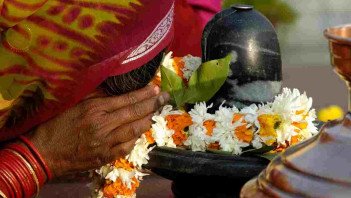
The sacred festival of Santan Saptami holds immense spiritual significance across India, dedicated entirely to the protection, prosperity, and longevity of children. Celebrated annually on the Saptami tithi of Shukla Paksha in the holy month of Bhadrapada, mothers observe a stringent day-long fast while worshipping Lord Shiva and Goddess Parvati with pure devotion. With the auspicious fast scheduled for September 18, 2026, devotees must observe specific traditional rituals—including preparing seven sacred puris each for Lord Shiva and Mata Parvati—while strictly avoiding critical ritual errors to ensure the divine sanctity of the vrat remains intact.
Core Fasting Rules: Strict Sattvic Diet and Mandatory Sankalpa
Maintaining dietary purity is fundamental during the observance of Santan Saptami. Mothers observing the fast should consume only fruits and milk, while the entire household must strictly avoid tamasic ingredients, including onion, garlic, and heavy spices. Consuming non-sattvic food on this auspicious day nullifies the spiritual fruit of the worship. Equally crucial is taking a formal resolution (sankalpa) before beginning the fast at dawn. Fasting without explicitly stating whether the vrat will conclude after the evening puja or continue until sunrise the next morning deprives the devotee of its complete spiritual merit.
Essential Ritual Elements: Vrat Katha, Sacred Thread, and Sharp Objects Caution
A common misstep during the ritual is rushing the ceremony without reciting the holy Santan Saptami Vrat Katha. Vedic traditions dictate that no fast is complete without listening to the scripture story, performing aarti, and distributing sanctified prasad among family members. Furthermore, preparing and offering a sacred thread featuring seven knots is mandatory; mothers must tie this protective thread around their wrists for either a full year or a minimum duration of seven days. Finally, scripture forbids the use of sharp domestic tools such as scissors, needles, or engaging in sewing activities throughout the day, as avoiding these actions preserves peace and invites enduring blessings into the family home.
_912721617_351x234.jpg)

_1633856263_351x234.jpg)
_1966745578_351x234.jpg)
_656413572_351x234.jpg)
_1884287344_351x234.jpg)