Why Chandigarh Stays Clean Amid North India's Smog
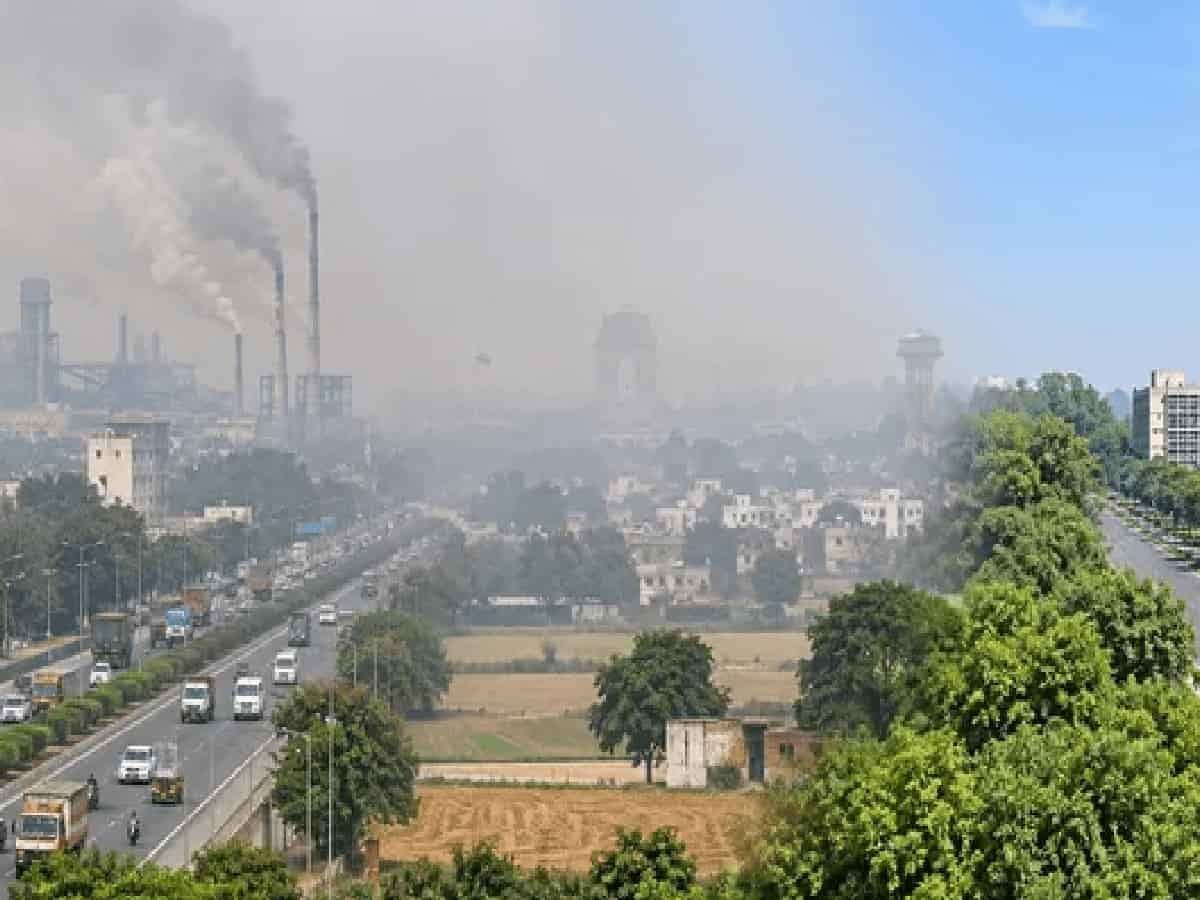
As winter settles over northern India, turning the skies into a suffocating shroud of gray, millions of residents across the National Capital Region and neighboring states are grappling with a severe public health crisis. Delhi’s Air Quality Index (AQI) has soared to alarming heights, while neighboring Haryana has effectively transformed into a toxic gas chamber, with multiple cities ranking among the most polluted in the entire country. Meanwhile, a blanket of heavy smoke from agricultural stubble burning has settled over parts of Punjab, turning cities like Bathinda, Ludhiana, and Amritsar into fog-and-smog zones.
Yet, amid this regional environmental catastrophe, a striking anomaly exists. Just a short distance away, the Union Territory of Chandigarh continues to boast relatively breathable air, with its AQI hovering in the moderate 80-to-110 range. While regional winds and shifting meteorological patterns pose ongoing challenges, the "City Beautiful" has consistently managed to evade the catastrophic smog levels plaguing its neighbors. How does Chandigarh defy the North Indian pollution crisis? The answer lies in a unique blend of visionary colonial-era urban planning, aggressive administrative enforcement, and an extraordinary ecological framework.
1. Over 53 Percent Green Cover and Urban Forests
Chandigarh’s greatest defense against air pollution is its unmatched ecological footprint. The city boasts a staggering green cover exceeding 53 percent, making it one of the greenest urban centers in South Asia.
Unlike sprawling metropolitan expansions where concrete completely replaces nature, Le Corbusier’s original design ensured that nature was woven directly into the urban fabric. Every residential and commercial sector features meticulously maintained parks, while wide avenues are lined with mature, multi-canopy trees that act as natural biological air filters. Furthermore, the city is flanked by expansive protected green zones, including the Sukhna Wildlife Sanctuary, the Nepli Forest, and the Kasauli reserve belt. These natural lungs absorb massive quantities of carbon dioxide annually, trap airborne dust particulates on foliage, and release fresh oxygen, buffering the city against external pollutants.
2. Comprehensive Dust Suppression and Paved Terrain
In many developing urban centers, fugitive road dust and unpaved construction zones account for up to 40 percent of local particulate pollution (PM2.5 and PM10). Chandigarh's municipal administration tackled this vulnerability decades ago.
Virtually every inch of land within the city limits is paved, turfed, or planted with dense ground-cover vegetation, leaving zero exposed soil prone to wind erosion. Road berms, central medians, and park boundaries are completely covered with grass and shrubs to anchor loose dirt. Additionally, the Municipal Corporation maintains rigorous daily sanitation protocols, deploying mechanized sweeping fleets and high-pressure water sprinklers to wash down major corridors and suppress airborne dust before it can settle.
3. Scientific Traffic Management and Grid System
Vehicle emissions are a primary driver of urban air pollution. However, Chandigarh’s foundational grid system—divided into self-contained numbered sectors—was engineered for optimal traffic flow.
Wide arterial roads minimize severe bottlenecks and chronic traffic jams that plague older, organic cities. To further curtail vehicular idling emissions, local authorities implemented strict traffic optimization rules, ensuring that red signal durations at major intersections do not exceed 90 seconds. Coupled with a rapidly expanding fleet of electric public transport buses, an extensive network of dedicated cycle tracks, and a commuter culture that encourages bicycling for short trips, vehicular pollution is kept under tight control.
4. Absence of Heavy Industry and Stubble Burning Vicinity
Geography and land-use policies also play a vital role. Unlike surrounding agrarian districts in Punjab and Haryana, Chandigarh has virtually no agricultural land within its immediate borders, insulating it from the direct, localized impact of crop residue burning.
Furthermore, the city’s industrial footprint is strictly restricted to just two designated phases, where heavy, highly polluting manufacturing units are prohibited. The operation of traditional, emission-heavy brick kilns—common across rural Haryana and Punjab—is entirely absent within the union territory.
5. Visionary Architecture and Natural Wind Corridors
Environmental experts and urban planners frequently credit the architectural genius of Le Corbusier and Pierre Jeanneret for Chandigarh’s atmospheric resilience. The city was designed with open spaces, wide ventilation corridors, and low-rise zoning laws that prevent the formation of urban wind-traps.
While dense high-rise developments in cities like Delhi and Gurgaon can trap stagnant air masses and thermal inversions near ground level, Chandigarh’s open layout allows ambient breezes to sweep smoothly through the grid. This continuous air circulation helps disperse local emissions and prevents toxic smog from pooling over residential neighborhoods.
A Fragile Balance Worth Preserving
While Chandigarh’s structural design and strict municipal governance give it a massive advantage, environmental scientists caution that the city is not entirely immune to regional weather patterns. During peak winter inversions, heavy smoke drifting from neighboring agricultural fires can still breach its borders, prompting local advisories for vulnerable populations to wear masks during early morning hours.
Nevertheless, Chandigarh stands as a shining testament to what proactive urban planning, uncompromising green preservation, and civic discipline can achieve. As North India continues to search for long-term solutions to its annual air quality crisis, the model of the City Beautiful offers invaluable lessons in sustainable, human-centric city building.