


Punjab Government: Dearness Allowance for 85,000 Employees Set to Jump From 42% to 60% Under New Formula
_628063269.jpg)
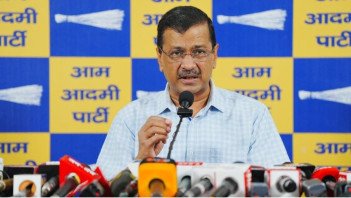
The Bhagwant Mann-led government in Punjab has introduced a promising new formula to resolve the protracted dearness allowance (DA) dispute involving state employees. In a major development for the state workforce, Cabinet Minister Aman Arora announced that a newly formed Cabinet sub-committee has officially recommended hiking the dearness allowance from 42 percent to a substantial 60 percent for approximately 85,000 personnel recruited after July 17, 2020.
Bridging the Gap: Aligning Pay Scales and DA With Central Standards
Addressing the media in Chandigarh, Aman Arora explained that because these newer batches of employees were recruited under the central pay scale rather than traditional state terms, the sub-committee deemed it appropriate to match their DA with central government benchmarks at 60 percent. Currently, the state maintains a dual-structure system where personnel recruited prior to July 17, 2020, receive the Punjab pay scale, while those inducted afterward fall under the central pay scale.
The disparity in pay structures previously resulted in lower take-home salaries for newer recruits who were receiving the state's lower DA percentage. The proposed adjustment aims to eliminate this gap and bring their earnings on par with central employees. While the sub-committee has finalized its report, the ultimate executive sign-off rests with Chief Minister Bhagwant Singh Mann.
Resolving Employee Tensions Amid Ongoing Legal Battles
The DA dispute has been a flashpoint between the Punjab government and labor unions for an extended period, leading to intense negotiations, high court litigations, and an ongoing legal battle currently pending before the Supreme Court after financial constraints stalled previous payouts. By offering a 60 percent DA structure to post-2020 recruits, the state administration is attempting to ease tensions and carve out a viable middle ground. However, questions remain regarding how the government plans to address pending arrears and broader demands from older employee cadres as the state navigates its fiscal and legal responsibilities.
_1799311640_351x234.jpg)
_37521859_351x234.jpg)
_840113394_351x234.jpg)
_705231604_351x234.jpg)
_940213636_351x234.jpg)