


PM Modi To Launch Revolutionary Amritsar-Varanasi Vande Bharat 'Sant Ravidas' Sleeper Express Tomorrow
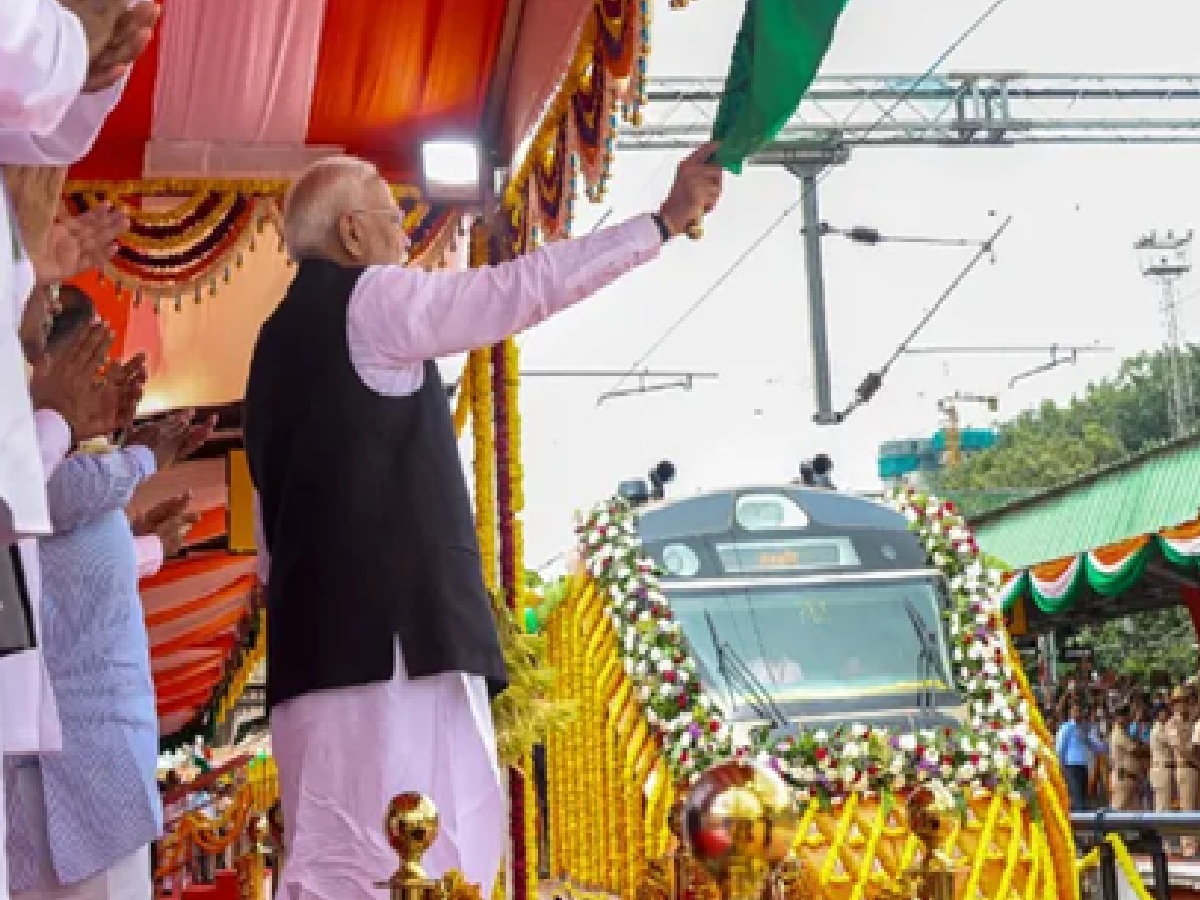
The transportation landscape of North India is on the verge of a historic evolution as Prime Minister Narendra Modi arrives for a high-profile, day-long official visit to Punjab tomorrow, Friday, July 17, 2026. The Prime Minister is scheduled to inaugurate a series of high-impact infrastructure projects spanning the public healthcare, national highway networks, and railway sectors. The crowning jewel of this development blitz is the official launch of the semi-high-speed Vande Bharat "Sant Ravidas Express." Marking a major engineering milestone for Indian Railways, this premium service stands as India's second highly anticipated indigenously built sleeper variant of the Vande Bharat fleet, designed to redefine long-distance overnight travel comfort.
The Inauguration Blueprint: PM Modi To Flag Off India's Newest Sleeper Train Virtually From Jalandhar
According to the official itinerary released by the Ministry of Railways, Prime Minister Narendra Modi will virtually flag off the inaugural run of the Sant Ravidas Express from the Jalandhar Cantt Railway Station. The introduction of this premium sleeper train addresses a long-standing demand for a modern, rapid transit link connecting industrial hubs in Punjab directly to the cultural heart of eastern Uttar Pradesh. Railway engineers have optimized the track alignment to ensure maximum aerodynamic efficiency, reducing transit times between the northern borders and the holy plains of the Ganges.
The Strategic Route Map: Connecting Amritsar to the Holy City of Varanasi
The new semi-high-speed corridor is meticulously designed to bridge major economic and cultural zones across multiple states. The Vande Bharat Sant Ravidas Sleeper Express will commence its commercial operations from Chheharta (Amritsar) and traverse all the way to Varanasi Junction. Along this highly strategic track layout, the train will cater to major commercial hubs, maintaining key operational halts at Amritsar Junction, Jalandhar City, Ludhiana, Ambala Cantt, Saharanpur, Moradabad, Bareilly, Shahjahanpur, Lucknow, Sultanpur, and Jaunpur City before terminating at its final destination.
Official Timetable and Weekly Schedule: Comprehensive Breakdown of Train Numbers
To facilitate seamless booking through the IRCTC portal, the operating division has finalized a dedicated thrice-a-week schedule in both directions, running on the absolute shortest rail route map connecting the two historical zones:
Train No. 14624 (Chheharta to Varanasi): This outward service will strictly operate every Wednesday, Friday, and Sunday. The train will depart from the Chheharta terminal at 2:05 PM, make a brief halt at Amritsar Junction at 2:25 PM, glide through the night to reach the capital city of Lucknow at 7:30 AM the following morning, and smoothly conclude its journey at Varanasi at 12:15 PM.
Train No. 14623 (Varanasi to Chheharta): The return operations are scheduled for every Thursday, Saturday, and Monday. The sleeper rake will depart from Varanasi at 7:05 PM, cross through Lucknow at 12:10 PM the next day, arrive at Amritsar at 4:35 PM, and touch the final Chheharta buffers at 5:10 PM.
Boosting Religious Tourism: The Deep Spiritual Connection to Varanasi Explained
Beyond its technological brilliance, the launch of the Sant Ravidas Express holds immense cultural, emotional, and spiritual significance for millions of residents across North India. Varanasi is home to Seer Govardhanpur, the sacred birthplace of revered saint Guru Ravidas Ji, where the magnificent Shri Guru Ravidas Janmasthal Mandir stands. Every single year, a massive influx of lakhs of pilgrims belonging to the Ravidasi community from various districts of Punjab embark on a holy pilgrimage to pay their respects. By introducing a direct, high-speed, and luxury sleeper option on this specific route, the Indian government has effectively eliminated the exhausting logistical challenges previously faced by senior citizens and families, paving the way for a massive boom in domestic religious tourism.
_2006969016_351x234.jpg)
_17098007_351x234.jpg)
_2053091736_351x234.jpg)