India’s Timeless Needlecrafts: The Handmade Embroideries Ruling Global Fashion
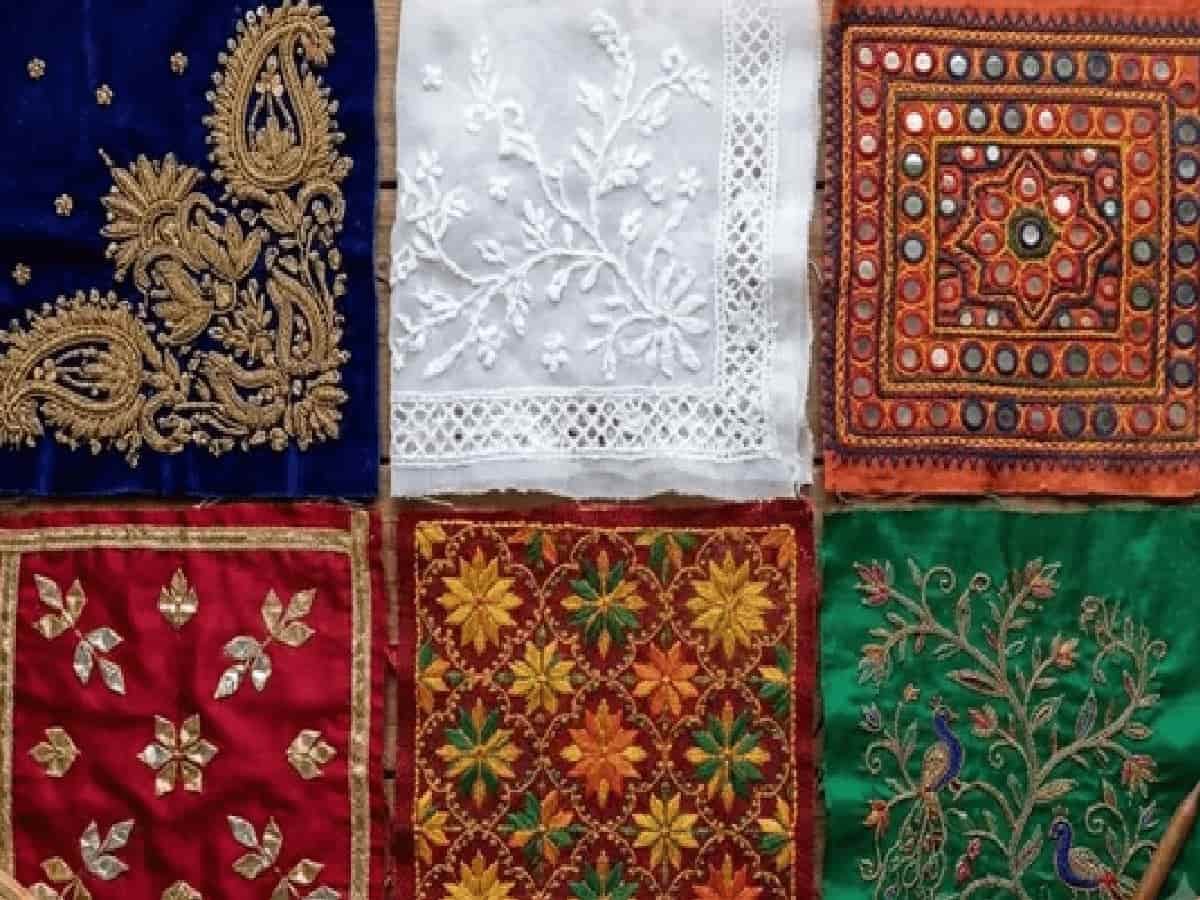
India has long enchanted the world with its exceptional mastery of handicrafts, where every region, state, and community preserves a unique visual vocabulary carved into fabric. Beyond decorative items and home furnishings, Indian textiles serve as living archives of heritage and skill. Across the country, skilled artisans manipulate threads, metallic wires, mirrors, and beads to transform plain base cloths into breathtaking works of art. Today, these indigenous Indian embroidery techniques are not only celebrated at home but are increasingly influencing international runways, high-fashion labels, and contemporary design houses.
Chikankari: The Whisper of Elegance From Lucknow
Hailing from the historic city of Lucknow in Uttar Pradesh, Chikankari is synonymous with understated grace and ethereal beauty. Rooted in the Mughal era, this delicate white-thread needlework relies on fine, precise stitches like bakhiya, phanda, and murri to create stunning shadow-work and floral motifs. Traditionally stitched on fine muslin or mulmul to combat humid weather, modern Chikankari graces fluid fabrics like chiffon, georgette, and organza, making breathable chikankari kurtas and sarees a timeless staple for summer wardrobes and festive occasions alike.
Zardozi: The Opulent Gold and Silver Metalwork of Royalty
For sheer drama and regal grandeur, few techniques rival Zardozi. Derived from Persian words meaning gold (zar) and embroidery (dozi), this lavish craft utilizes metallic gold and silver threads, shimmering sequins, pearls, and gemstones to construct heavy, textured masterpieces on rich silk and velvet. Once reserved exclusively for royal courts and Mughal emperors, Zardozi remains the bedrock of Indian bridal couture, instantly elevating lehengas, sherwanis, and grand festive jackets with unmatched depth and shimmer.
Kantha and Sujini: The Storytelling Stitches of Eastern India
Rooted deeply in the rural traditions of West Bengal and Odisha, Kantha is a brilliant expression of folk art and sustainability. Traditionally born out of necessity by women layering worn-out sarees together and binding them with simple running stitches, Kantha has evolved into a sophisticated design language. Artisans use colorful threads to trace stories of daily life, flora, fauna, and folklore across cotton and silk drapes. Similarly, Sujini from Bihar mirrors this philosophy, utilizing chain and running stitches to stitch layered fabrics into artistic quilts and contemporary apparel.
Phulkari: The Vibrant Floral Tapestry of Punjab
Translating literally to "flower work", Phulkari brings an explosion of joy and color to Punjabi heritage. Crafted using dense, long-and-short darn stitches with vibrant silk threads on coarse cotton fabric, traditional Phulkari covers the base cloth so thoroughly that the background fabric is barely visible. Characterized by bold geometric patterns and celebratory hues, Phulkari dupattas and shawls remain quintessential elements of festive styling and traditional weddings.
Mirror Work, Gota-Patti, and Aari: The Sparkle of Western India
The arid landscapes of Gujarat and Rajasthan burst with radiant textiles through techniques like Shisha (Mirror Work), Gota-Patti, and Aari work. Shisha involves securing tiny reflective glass pieces with web-like embroidery stitches to catch the desert sunlight, making it a festival favorite for chaniya-cholis and Leheriya drapes. Gota-Patti utilizes metallic appliqués cut into delicate shapes to form intricate borders associated with Rajasthani royalty, while Aari work employs a fine hooked needle (ariz) to generate rapid, precise chain-stitch loops embellished with beads and sequins.
Preserving Heritage Through Modern Fashion Adaptation
From the nature-inspired motifs of Kashmiri Kashidakari and the geometric precision of Toda embroidery in the Nilgiri Hills to the nomadic charm of Banjara patch-work and the metallic twist of Mukaish, India's textile landscape is wonderfully diverse. Today, contemporary designers are bridging the gap between ancestral craftsmanship and modern silhouette design. By pairing heritage hand-embroidered blouses with minimal drapes or integrating age-old stitches into global western wear, these timeless threadworks ensure that India's artistic legacy continues to thrive on the world stage.