AAP MLA Manvinder Gyaspura Apologizes at Akal Takht
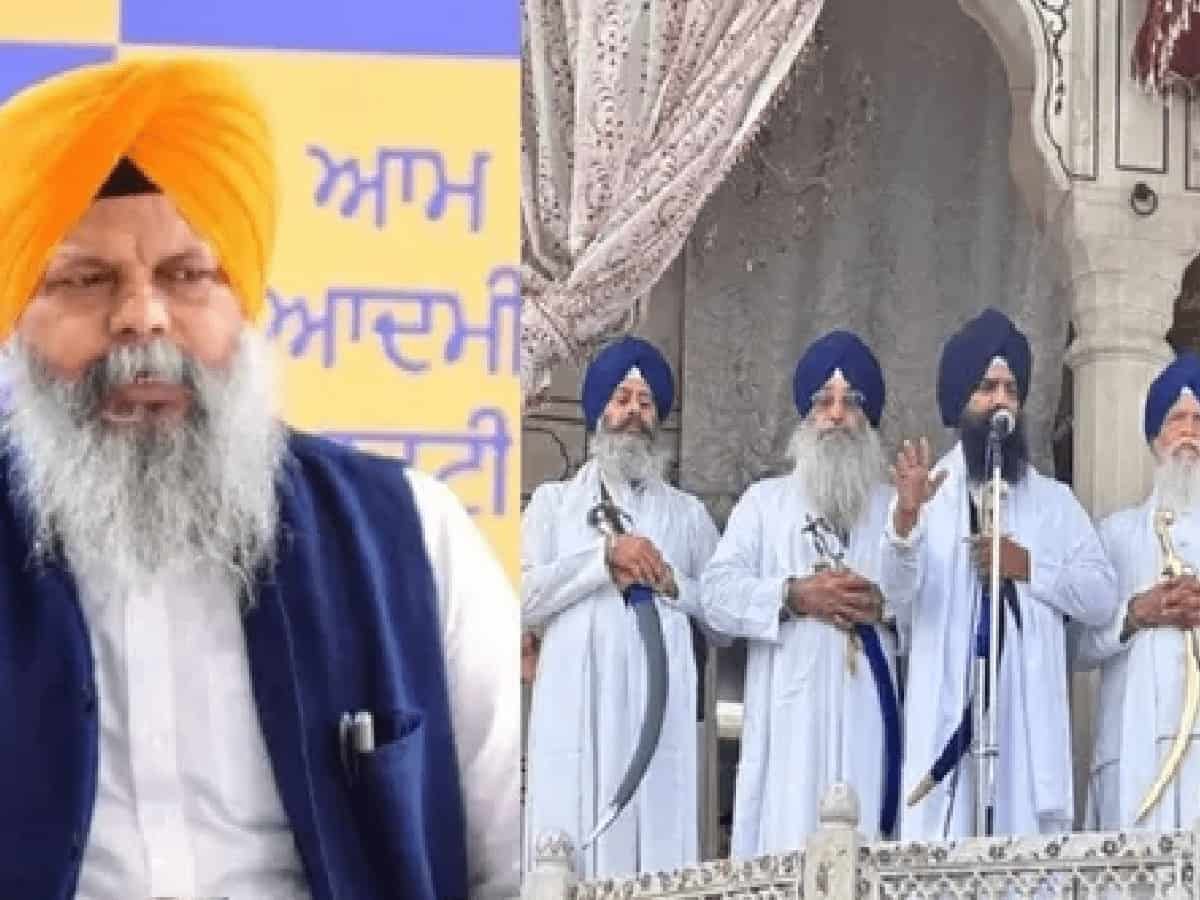
The political and religious landscape of Punjab witnessed a significant development on Saturday as Aam Aadmi Party (AAP) MLA Manvinder Singh Gyaspura formally appeared before the highest temporal seat of the Sikh faith, Sri Akal Takht Sahib, to tender an unconditional apology for his past statements. Gyaspura, who represents the Payal Assembly constituency, was declared Tankhaiya (guilty of religious misconduct) roughly a month ago following a controversy surrounding allegations of caste discrimination against Sikh religious institutions.
In a formal written communication addressed to the Jathedar of Sri Akal Takht Sahib, Giani Kuldeep Singh Gadgajj, the AAP legislator explicitly acknowledged his errors, expressed deep remorse, and sought formal guidance and time to undergo the mandated religious penance (tankhah).
Roots of the Controversy: The October 12 Secretariat Incident
The confrontation between Gyaspura and the highest temporal authority traces back to an incident on October 12, when a delegation of approximately 12 Aam Aadmi Party MLAs and local leaders visited the Secretariat of Sri Akal Takht Sahib in Amritsar to submit a formal administrative memorandum. While several delegation members were permitted entry, Manvinder Singh Gyaspura was barred from entering the Secretariat premises.
Following the denial of entry, Gyaspura publicly alleged that he was being targeted and locked out because he belonged to the Dalit community, openly accusing the management and servitors of Sri Harmandir Sahib (Golden Temple) of institutional caste discrimination. His statements immediately ignited a political firestorm across the state, drawing sharp rebukes from religious bodies and traditional organizations.
The Akal Takht Secretariat swiftly issued an official clarification, categorically rejecting Gyaspura's allegations of caste prejudice. The Secretariat clarified that the restriction placed on Gyaspura had nothing to do with his caste, race, or social background; rather, it stemmed directly from his history of making offensive, derogatory remarks against sacred Sikh institutions, traditions, and the office of the Jathedar. The administrative body emphasized that the portals of Sri Harmandir Sahib and the Akal Takht remain open to all humanity without any discrimination.
The October 16 Verdict: Declared ‘Tankhaiya’ by the Five Singh Sahibans
As the fallout from the incident intensified, the collective leadership of the Sikh clergy took strict cognizance of Gyaspura's remarks. On October 16, a high-level meeting of the Five Singh Sahibans was convened at Sri Akal Takht Sahib.
During this meeting, the clergy formally declared Manvinder Singh Gyaspura a Tankhaiya for leveling unverified allegations of caste bias and undermining the dignity of religious institutions. Simultaneously, the 12 other AAP MLAs who had accompanied Gyaspura on October 12 appeared before the secretariat to submit a written clarification. They distanced themselves from Gyaspura's remarks, clarifying that his allegations were entirely personal opinions and issuing an apology for failing to counter or disassociate from his statements on the spot.
Following the edict, the clergy issued strict instructions to the global Sikh community (Sangat), directing them to refrain from maintaining any social, political, or religious interactions with Gyaspura until he presented himself personally at the Akal Takht to accept and complete his religious punishment.
Path Forward: Awaiting the Clergy’s Decision on Penance
With Gyaspura’s formal written apology and petition for absolution now submitted to the Jathedar, the matter will be reviewed by the temporal authorities to determine the appropriate course of religious penance. The final spiritual and social cleansing process, known as tankhah, will be pronounced by the Singh Sahibans in due course, after which the MLA is expected to complete the prescribed community service or religious rituals within the precincts of the Golden Temple complex.
Political analysts note that the swift resolution sought by Gyaspura highlights the profound influence of Akal Takht edicts within Punjab’s sociopolitical sphere, where political leaders across party lines ultimately submit to the spiritual authority of the Sikh temporal seat when faced with disciplinary action.