Petrol at ₹450? The Stark Reality of Our Neighbors and India’s Strategy for Stability
As the Middle East finds itself gripped by rising tensions and economic uncertainty, the ripples are being felt across the globe. Amidst this volatility, Prime Minister Narendra Modi has made a direct and significant appeal to the people of India. Rather than just policy shifts, the PM is calling for a "collective resolution" from every citizen to help shield the nation from global shocks.
A Visionary Roadmap for Energy Security
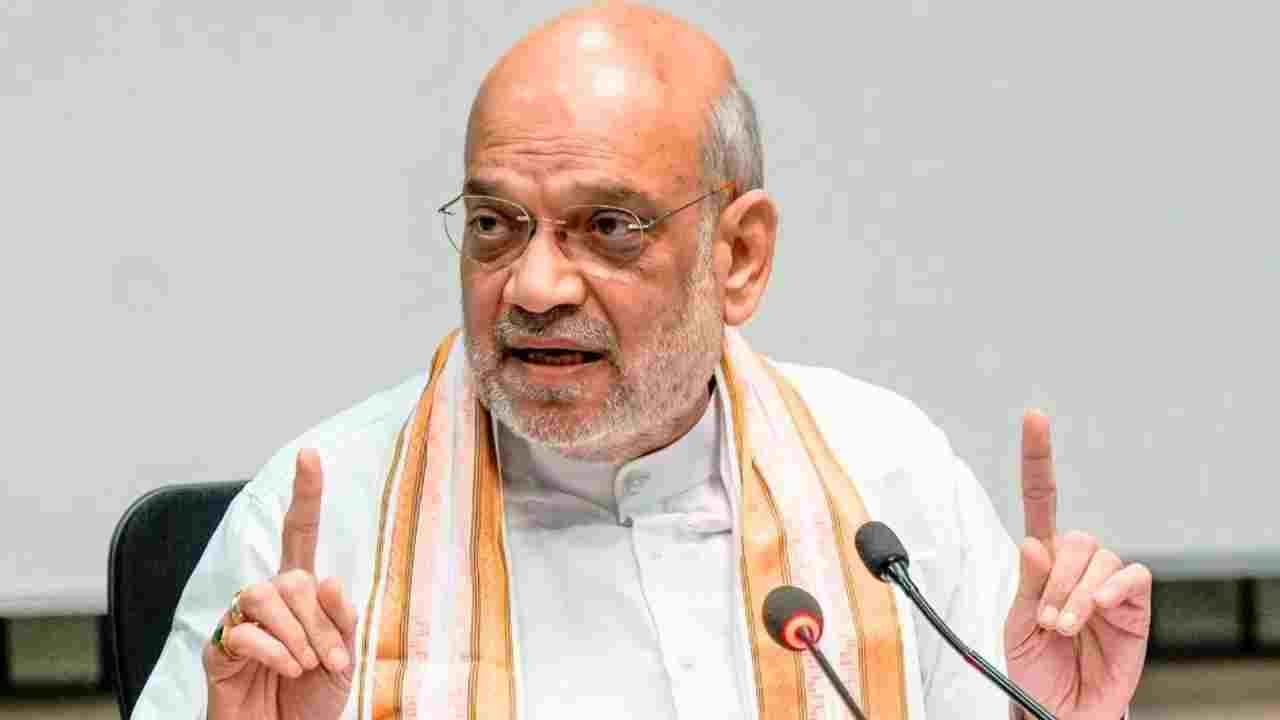
Home Minister Amit Shah has hailed the Prime Minister’s appeal as a "visionary roadmap." In a time when global supply chains are under immense pressure, the government is focusing on long-term self-reliance. Shah emphasized that by making small changes—such as practicing restraint in petrol and diesel use, reviving the "Work From Home" culture, and switching to natural farming—India can maintain its stability even while other nations struggle.
According to Shah, this isn't just about saving money; it’s about ensuring that India remains a strong, energy-secure leader on the global stage.
The Contrast: India vs. The World
Maharashtra Chief Minister Devendra Fadnavis recently echoed these sentiments, pointing out the harsh reality of the current fuel crisis. While the war in West Asia involving the US, Israel, and Iran has choked global supplies, India has managed to keep its stocks steady.
Fadnavis highlighted a striking comparison: in neighboring Pakistan, petrol prices have reportedly skyrocketed to ₹450 per liter. In contrast, PM Modi has ensured that Indian citizens haven't faced such drastic supply cuts. However, Fadnavis warned that this stability requires public cooperation. "If we do not use fuel judiciously now, we too could face a tough situation," he noted.
The PM’s "Country First" Strategy
During a recent address in Telangana, PM Modi laid out practical steps for every household to contribute to the national economy:
Conserving Fuel: He suggested using metro services, carpooling, and switching to electric vehicles.
Reviving COVID-Era Habits: The PM proposed a return to digital meetings and "Work From Home" to cut down on unnecessary travel and save precious foreign exchange.
The Gold & Travel "Pause": In a bold move, he asked citizens to consider postponing gold purchases and foreign trips for at least one year.
Supporting Local: Reducing the use of imported chemical fertilizers and edible oils in favor of natural farming and indigenous products.
Why Now?
The Prime Minister’s message is clear: when the world is in crisis, the strength of a nation lies in the "thoughtful decisions" of its people. By reducing our dependence on imports—whether it's oil or gold—we keep our foreign exchange reserves strong.
As Amit Malviya pointed out, national strength is built on collective responsibility. The goal is to move from being a consumer of global resources to a self-reliant powerhouse that can withstand the storms of international conflict.



_124973916_351x234.jpeg)