Why Sweat? The Real Reason Millions of Europeans Strenuously Refuse Air Conditioners
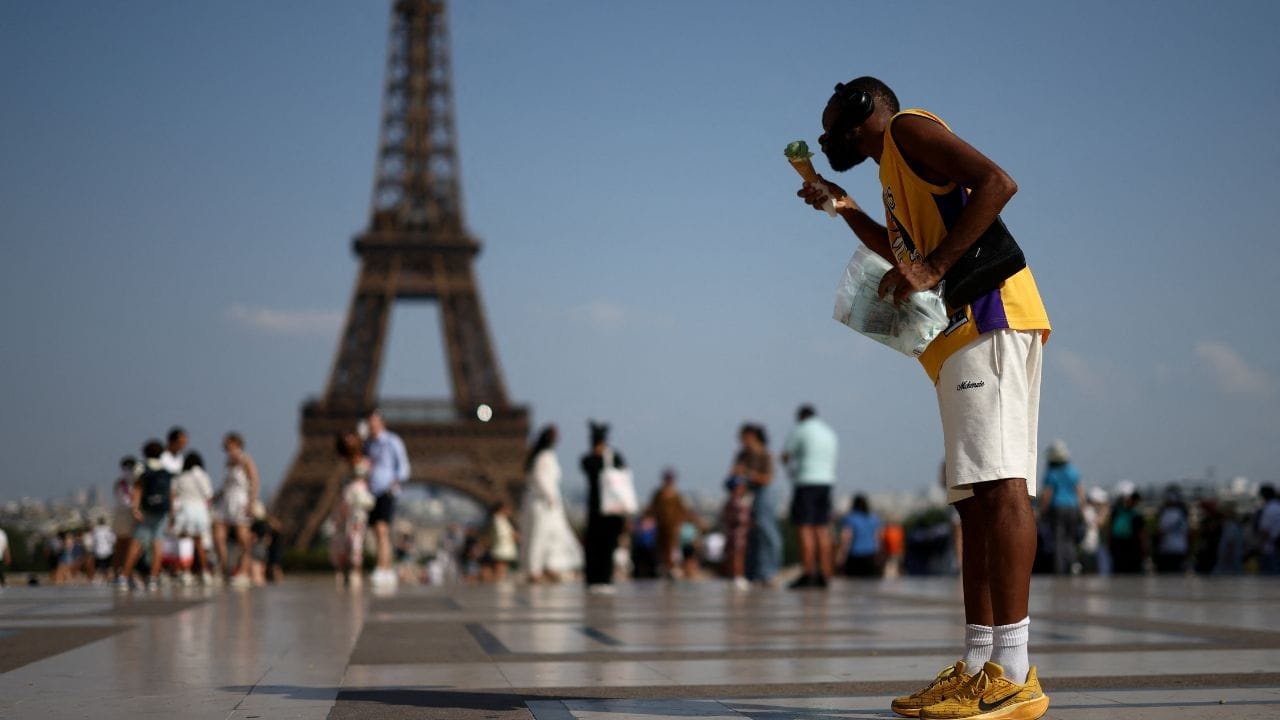
The continent is sweltering, roads are buckling, and infrastructure is failing under unprecedented heatwaves, yet the political class and citizens alike are standing firm against the cooling appliance.
Infrastructure Crumbles Under 2026 Heat Records
Europe is currently battling a summer of historic proportions. Across the continent, tarmac is softening, tram lines are warping, and traffic lights are literally dripping from their poles. Yet, walk into a typical European home, school, or even a local hospital, and you will find a noticeable absence of air conditioning. What seems like a survival necessity in places like New York, New Delhi, or Rio de Janeiro is viewed with deep scepticism across Europe. The crisis has arrived much faster than anticipated. While climate models predicted these extreme 40°C-plus scenarios for 2030, the continent has crashed into these brutal conditions in 2026, forcing a major reckoning.
The Aesthetic Battle: "We Don't Want to Look Like America"
For many Europeans, the resistance to air conditioning is deeply rooted in cultural preservation and urban aesthetics. The sight of bulky metallic boxes hanging from historic facades is widely seen as visual pollution. In Paris, the legendary Haussmann-era limestone buildings are fiercely protected. Audrey Pulvar, the Deputy Mayor of Paris, captured the sentiment by stating that European cities refuse to mimic the architectural landscape of American or Brazilian cities, where endless rows of exterior compressors create an unbearable racket while pumping heat and exhaust into the streets.
Legal Hurdles and Neighbours Who Say No
Even if an individual homeowner wants to install an AC unit, the bureaucratic and legal maze can be exhausting. Apartment living is the norm in major European hubs, and altering a building's exterior requires strict approval from local municipalities and residential co-ops. Noise pollution is a massive legal battleground. Under French law, neighbourhood associations can veto installation plans if the unit violates quiet-hours guidelines. Even modern, whisper-quiet systems face intense pushback from traditionalists who argue that vibration penetrates concrete walls, disrupting the historic peace of local communities.
The Climate Paradox and Green Alternatives
Beyond aesthetics, Europe’s aggressive net-zero and climate commitments play a massive role in the anti-AC stance. Energy-intensive cooling systems are viewed as a step backwards in the fight against global warming. Policymakers have long pushed for passive alternatives like structural insulation, window shutters, tree canopies, and natural cross-ventilation. However, intergovernmental health reports warn that these traditional methods are failing to prevent heat-related mortality during prolonged spikes. French climate officials counter that air conditioning is a localised band-aid that cannot protect dying crops or halt the massive forest fires breaking out across the region.
A Continent Not Engineered for 40 Degrees
European infrastructure was designed historically to trap heat, not expel it. Statistically, the saturation of cooling systems remains incredibly low compared to the rest of the developed world. In the United Kingdom, barely 5% of homes have any form of cooling, while in France, the figure is around 25%. Italy is the outlier, where necessity has driven AC adoption to nearly 56%. Because 40°C days were historically rare anomalous events, the entire continent's lifestyle and building designs are fundamentally unequipped for the current climate shifts.
The New Political Flashpoint
The right to stay cool has officially transformed into a fierce political debate. In France, Far-Right leaders like Marine Le Pen are weaponising the heatwave, demanding a state-funded, massive air conditioning infrastructure plan to protect vulnerable citizens, calling it a matter of basic life and death. Meanwhile, in the UK, portable units are flying off shelves, prompting leaders like London Mayor Sadiq Khan to push for immediate AC installations in critical sectors like schools and hospitals. As summer temperatures continue to climb, Europe remains deeply divided over whether to maintain its historical identity or adapt to a hotter reality.




_1587178762_351x234.jpg)
_305727748_351x234.jpg)