Weather Alert: July Rainfall Likely to Remain Below Normal, Heatwave Conditions to Persist – IMD Forecast
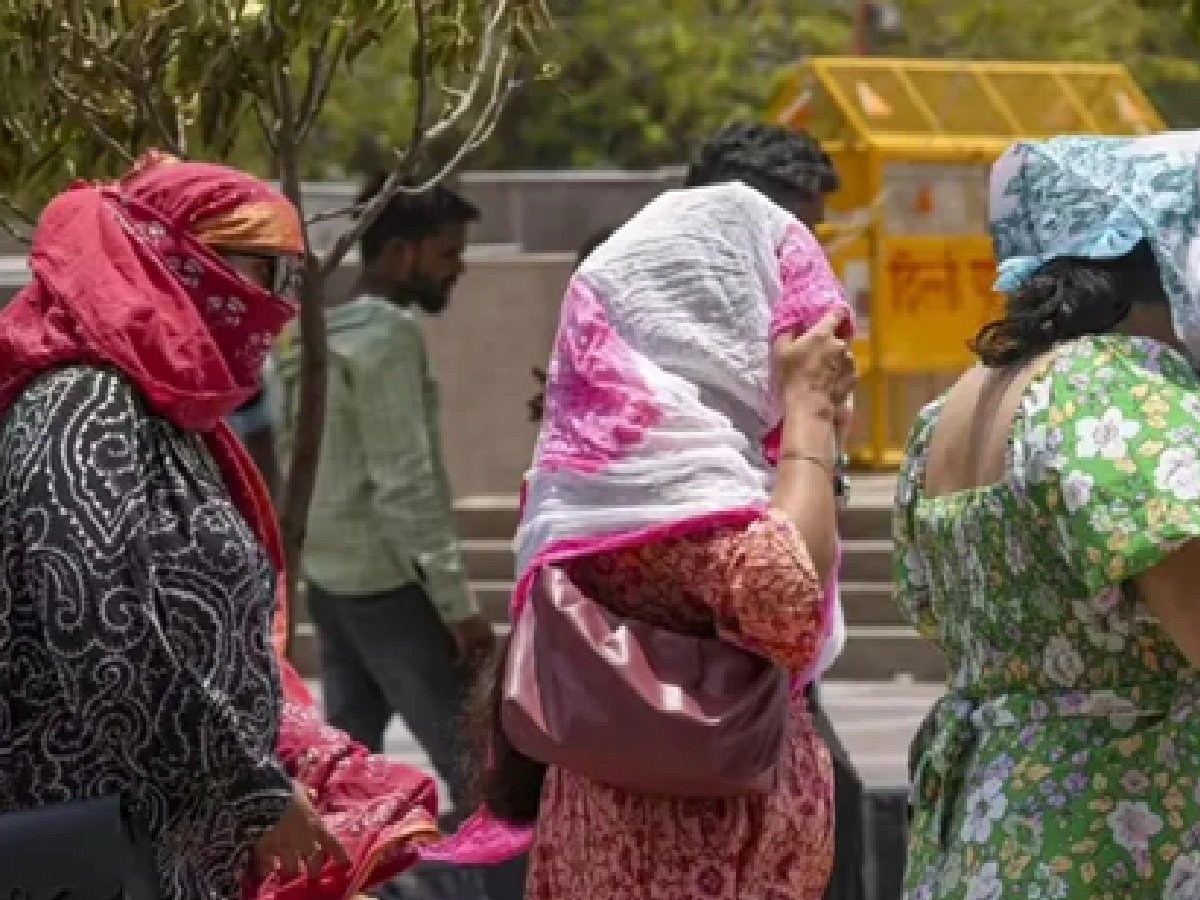
The Indian Meteorological Department (IMD) has released its latest monsoon forecast, casting a shadow of uncertainty for those awaiting a reprieve from the blistering summer. While the country is currently grappling with a 40% rainfall deficit, weather models suggest that although some relief is expected in the next 7 to 10 days, July as a whole is projected to record "below-normal" rainfall levels. Alongside the lack of sufficient precipitation, the IMD has warned that temperatures in several regions may continue to hover above normal, extending the discomfort of the heatwave.
Monsoon Expansion and Regional Relief
Director General of the IMD, Mrityunjay Mahapatra, has confirmed that the monsoon is actively advancing. Within the next 2 to 3 days, the weather system is expected to fully cover critical regions, including Delhi, Haryana, Punjab, Uttar Pradesh, Uttarakhand, Himachal Pradesh, Jammu and Kashmir, and Ladakh. Furthermore, the development of a low-pressure area in the Bay of Bengal is anticipated to bring much-needed rainfall to Central India, stretching from Odisha and West Bengal across to Gujarat and Maharashtra during the first ten days of July.
Impact on Kharif Sowing and Agriculture
July is the backbone of India’s agricultural calendar, particularly for Kharif crops like rice and maize. Despite the prediction of below-normal rainfall for the month, the forecast of consistent showers over the next 7 to 10 days comes as a silver lining for farmers. This window of precipitation is expected to provide the necessary soil moisture to kickstart sowing operations, particularly in regions of Central India that are heavily dependent on monsoon rains for their annual harvest.
June 2026: A Historic Deficit
The IMD highlighted a concerning trend regarding June’s weather performance. The country recorded only 99.5 mm of rainfall throughout the month, marking the fifth-lowest rainfall for June since 1901. This historic deficit has placed immense pressure on water reservoirs and agricultural planning. While experts anticipate that the Indian Ocean Dipole (IOD) might strengthen in late August or early September—potentially leading to a burst of rainfall—the IMD cautions that this late-season boost may be insufficient to fully compensate for the cumulative deficit observed throughout June and the predicted dry spells in July.



_1587178762_351x234.jpg)
_305727748_351x234.jpg)